What's new
What's new
Featured content
New posts
New media
New media comments
New articles
New article comments
New ims items
New Japan Directory items
New link directory comments
New rms items
New rms reviews
New showcase items
New showcase comments
New journal entries
New journal entry comments
New resources


Latest resources
An iOS app for exploring Japanese names with kanji, kana, romaji, meanings, and nuance.
A free daily Japanese lesson in your inbox every morning, with word breakdowns, audio, and cultural


Christian Werner, in: Die ‚Alleinherrschaft’ der russischen Zaren in der ‚Zeit der Wirren‘
Reconstructing the Life of Uesugi Kiyoko
2025-07-19
Uesugi Kiyoko (1270–1342) was the mother of the founder of the Ashikaga shogunate, Takauji.

Year-end Tax Adjustment in Japan
2023-11-24
income tax filing and Year-end Tax Adjustment in Japan
Fault models of the 1703 Genroku and 1923 Taisho Kanto earthquakes inferred from coastal movements
2023-08-02
1923 Taisho Kanto earthquake

Duggan, Mark, and Steven D. Levitt. 2002. "Winning Isn't Everything: Corruption in Sumo Wrestling ."
Learn Japanese
2023-03-01
An application that allows practicing Japanese conversations with an AI

Tōkeiji's Business: the Agency of Nuns in the Early Modern Period

Kanji Breakthrough
2022-03-14
A download of Mary’s “Kanji Breakthrough,” a series of lessons originally published in 2007.
Latest articles
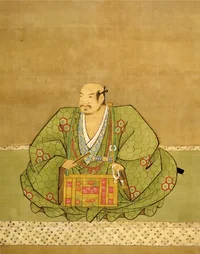
Azai Nagamasa (浅井長政, 1545–1573) was the last head of the Azai clan (浅井氏), a Sengoku-period daimyō who ruled northern Ōmi Province from Odani Castle (小谷城). Remembered as both the brother-in-law and one of the fiercest opponents of Oda Nobunaga (織田信長, 1534–1582), he occupies a distinctive place in...
History
The Battle of Nomoto (935)
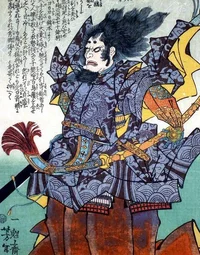
The Battle of Nomoto (野本合戦) was fought in the second month of Jōhei 5 (承平5年, 935) between the forces of Taira no Masakado (平将門, 903–940) and Minamoto no Tasuku (源扶), eldest son of the former governor Minamoto no Mamoru (源護). Fought near Nomoto (野本) on the border of Hitachi Province (常陸国) and...
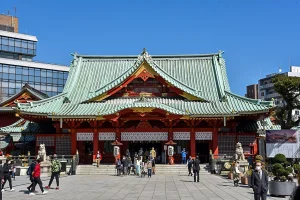
Shrine
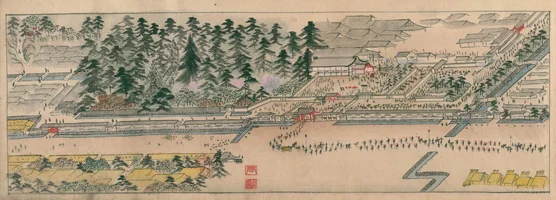
Kanda Myojin Shrine
Tōkyō Travel Guide: Kanda Myōjin Shrine
Kanda Shrine (神田神社 Kanda-jinja), officially known as Kanda Myōjin (神田明神), is located in Chiyoda Ward, Tōkyō, and ranks among the oldest shrines in the Kantō region. It was the main tutelary shrine of Edo, venerated by the edokko (江戸っ子), the inhabitants of...
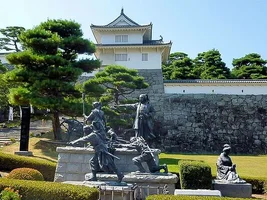
Castle
Nihonmatsu Castle
Nihonmatsu Castle (二本松城), also known as Kasumigajō (霞ヶ城, "Misty Castle"), is a Japanese hilltop castle in present-day Nihonmatsu, Fukushima Prefecture. Built atop Shiro-yama (城山), it occupied a strategically important position overlooking the route through central Fukushima. It served as the...
History
The Ritsuryō System 律令
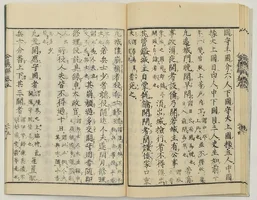
The ritsuryō (律令) system was the legal and administrative system that governed Japan from the late seventh century to the early Heian period. Based on Chinese models, particularly those of the Tang dynasty, it combined a comprehensive criminal code (ritsu) with an administrative code (ryō)...
History
Shizoku 士族
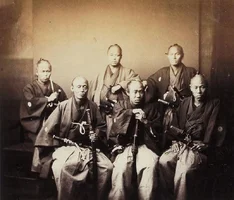
The shizoku (士族) were the descendants of Japan's former samurai class who retained a distinct legal status after the Meiji Restoration. Established in 1869 as part of the new government's sweeping social reforms, the category encompassed most former warriors who were not elevated to the new...
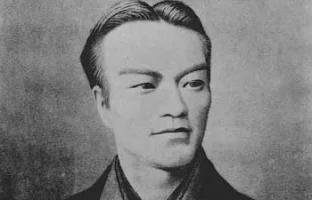
Godai Tomoatsu (五代友厚, 1836-1885), also known as Godai Saisuke, was born in the castle town of Kagoshima, Satsuma domain (modern-day Kagoshima Prefecture), as the second son of Takashi Shigeru Saemon (左衛門秀尭), a local magistrate holding the hereditary title of atai (直, regional administrator) and...
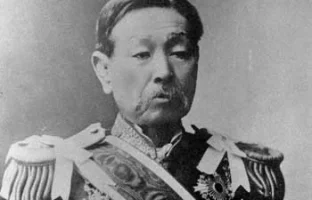
Chōshū samurai and senior Meiji politicianInoue Kaoru (井上薫, 1836-1915) was a senior member of the genrō, the political oligarchy of the Meiji period and yielded significant influence over the policies and political decisions of Meiji-era Japan. He was born into a gōshi (郷士, lower-ranking...
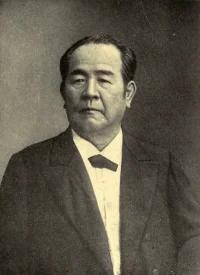
The Father of Japanese Capitalism
Shibusawa Eiichi. entrepreneur and business leader during the Meiji and Taishō periods
Shibusawa Eiichi (渋沢 栄一, 1840-1931) was born in the village of Chiaraijima in modern-day Saitama Prefecture. Although Shibusawa's family consisted of small farmers with only...
History
The Han System
A han (藩), commonly translated as a "domain", was the territory and governing organisation of a daimyō during the Edo period (1603–1868). Although the term is now firmly established in Japanese historiography, it was not the official designation used by the Tokugawa shogunate itself. Instead...
Latest journal entries
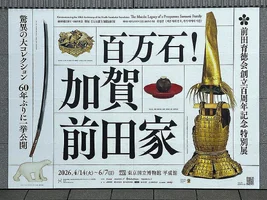
Last Wednesday, I finally managed to find enough time to visit one of the most fascinating special exhibitions of the year at the Tōkyō National Museum in Ueno: "The Maeda: Legacy of a Prosperous Samurai Family." Most of the exhibits are normally displayed in Kanazawa, while museums and...
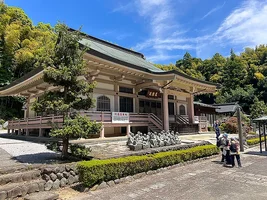
We'd passed through the Oyamada district of Machida countless times, burning rubber on our road bikes. Today, by sheer coincidence, we took a different turn and found this hidden gem of a temple. Oyamada was the family name of a local clan that controlled territory in modern-day Machida and...
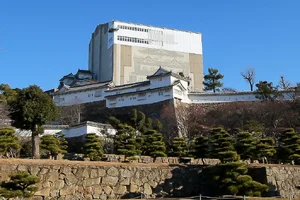
When we first visited Himeji Castle in December 2013, we were rather disappointed to discover that it was undergoing major restoration work, with the main keep and several other structures hidden behind enormous scaffolding erected to protect the donjon and its roofs from the elements. Little...
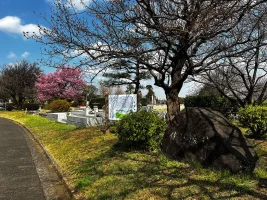
Local sights and landmarks: Sakunobe Castle.
Sakunobe Castle (作延城 Sakunobe-jō) was a flat mountain castle (平山城 hirayamajō) in present-day Shimosakunobe, Takatsu-ku, Kawasaki, allegedly constructed by Inage Saburō Shigenari (稲毛三郎重成), a member of the Oyamada clan in the early Kamakura period...

From Leather Imitations to Global Luxury
Japanese wallpaper tells a story that most people never hear. While we're familiar with zen gardens and tea ceremonies, the art of decorating walls has quietly shaped Japanese interiors for generations, evolving through political upheaval, economic...
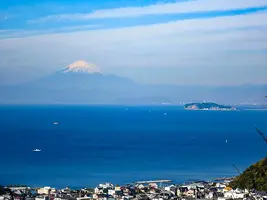
The Miura Peninsula (三浦半島 Miura-hantō), nestled in southern Kanagawa, is renowned for its stunning coastal landscapes, rich history, and delectable seafood. Its picturesque beaches, rugged cliffs, and charming little harbours offer a serene escape from urban life. Historical cities like...

Some may recall that I left Japan due to concerns of my father's health at the time. He had cancer (again), and had a severe stroke not long before. It seemed that it was time for him to cast aside his mortal coil and leave this Earth. However, Fate had other plans in mind, thankfully.
That...
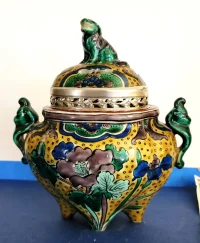
I bought this Japanese Censor here in New England and when I researched the silversmith, Paris France, they were in business from 1880's to about the 1900's and then no longer existed. What's interesting about the piece is the color combination and the artwork on the piece.
Japanese export...
I used to have a breadmaker in Japan that I had picked up when someone threw it away. Other than the vent's grill on the top being cracked and missing part of the grill, the breadmaker was perfectly fine. All you had to do was measure out the ingredients, put them in the machine in the proper...
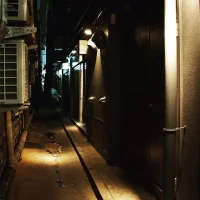
As you might know, kabukicho can be a little different compared to the rest of Tokyo and most of Japan. In a way, I decided to use that to my advantage and spent quite some time there (not buying any special services there though 🤨).
Because of my frequency around the area, I can recall various...
Latest items
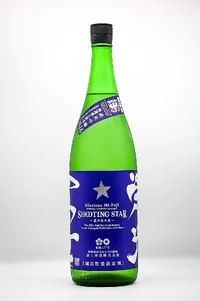
A limited-edition Junmai Ginjō brewed with Yamagata's Haenuki rice and bottled as an unfiltered, unpasteurised, undiluted sake. Part of Eikō Fuji's STARS summer series, it takes its inspiration from a shooting star crossing the summer sky.
- Prefecture
- Yamagata (山形)
- Rice type
- Haenuki (はえぬき)
- Polishing rate (semaibuai)
- 60%
- Alcohol content
- 16.5%
- SMV
- -8.0
- Acidity
- 1.4
- Amino acid level
- 0.7
- Brewery
- Fuji Shuzō
- Name in Japanese
- 冨士酒造
- Address
- 〒997-1124 3-32-48 Ōyama, Tsuruoka, Yamagata
- Phone
- 0235-33-3200
- Website
[公式]栄光冨士|冨士酒造株式会社
創業1778年。 山形県の酒蔵「栄光冨士」です。 大吟醸古酒屋のひとりよがりをはじめ、 栄光冨士、有加藤など、昔ながらの手造りのお酒を醸しております。 蔵元は13代目。 加藤清正公ゆかりの酒蔵です。 アメリカ、シンガポール、中国、香港等でもお取り扱い頂いております。www.e-sakenom.com
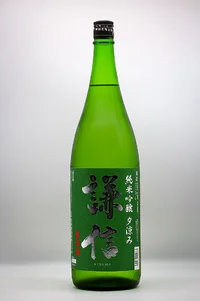
Kenshin Junmai Ginjō Yūsuzumi Muroka Namagenshu is Ikedaya Shuzō's annual summer limited release, usually appearing in late May or early June.
- Prefecture
- Niigata (新潟)
- Rice type
- Gohyakumangoku (五百万石)
- Polishing rate (semaibuai)
- +4
- Alcohol content
- 17%
- SMV
- +4.0
- Acidity
- 1.3
- Brewery
- Ikedaya Shuzō
- Name in Japanese
- 池田屋酒造
- Address
- 1-3-4 Shintetsu, Itoigawa, Niigata 941-0065, Japan
- Phone
- 025-552-0011
- Website
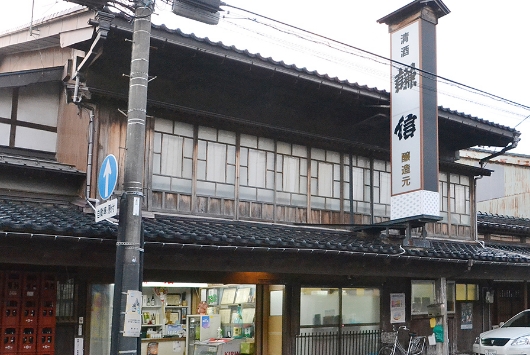
池田屋酒造株式会社 | 蔵元紹介 | 新潟県酒造組合
 www.niigata-sake.or.jp
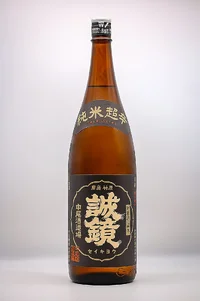
Seikyō Junmai Chōkarakuchi is a pasteurised Junmai sake brewed by Nakao Brewery in Hiroshima using Shinsenbon rice polished to 65%. Fermented with Kanazawa K1401 yeast, it has an alcohol content of 16%, an SMV of +8, and an acidity of 1.5.
- Prefecture
- Hiroshima (広島)
- Rice type
- Shinsenbon (新千本)
- Polishing rate (semaibuai)
- 65%
- Alcohol content
- 16%
- SMV
- +8.0
- Acidity
- 1.5
- Brewery
- Nakao Shuzō
- Name in Japanese
- 中尾醸造
- Address
- 5-9-14 Chūō, Takehara, Hiroshima 725-0026
- Phone
- 0846-22-2035
- Website
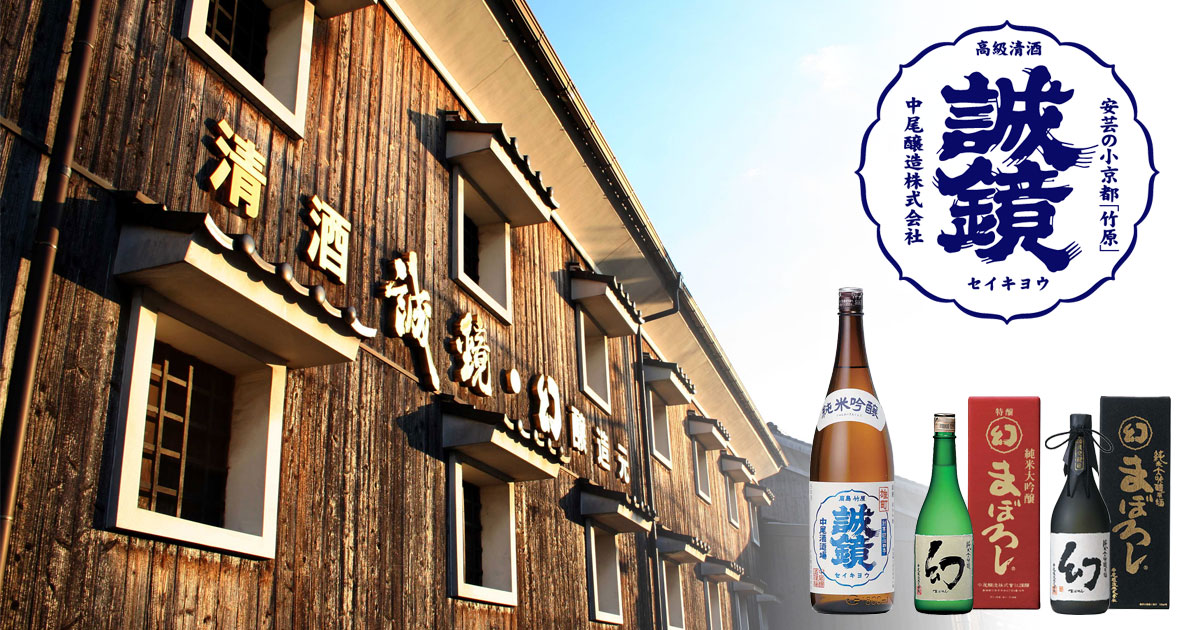
中尾醸造株式会社 | 安芸の小京都・竹原で生まれた「誠鏡」とリンゴ酵母のお酒「幻」…こだわり抜いた酒造りが、私たちの財産です
安芸の小京都・竹原で生まれた「誠鏡」とリンゴ酵母のお酒「幻」…特定名称比率 98%。こだわり抜いた酒造りが、私たちの財産です。 www.maboroshi.co.jp
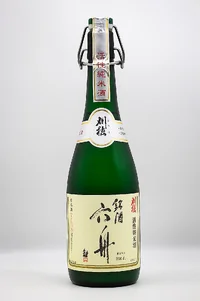
Kariho Rokushū Kassei Junmaishu (刈穂 六舟 活性純米酒) is a naturally sparkling junmai sake brewed to junmai ginjō standards using Sake Komachi rice polished to 50% and Kyōkai No. 901 yeast. Its fine effervescence is created through secondary fermentation in the bottle, the same basic method used in...
- Prefecture
- Akita (秋田)
- Rice type
- Sake Komachi (酒こまち)
- Polishing rate (semaibuai)
- 50%
- Alcohol content
- 15%
- SMV
- +2.0
- Acidity
- 1.5
- Brewery
- Kariho Shuzo
- Name in Japanese
- 刈穂酒造
- Address
- 75 Jinguji aza Jinguji, Daisen, Akita 019-1701, Japan
- Phone
- 0187-72-2311
- Website
秋田清酒株式会社 | 出羽鶴・やまとしずく・刈穂
秋田清酒株式会社 - 公式サイト | 出羽鶴酒造及び刈穂酒造で醸造された日本酒・焼酎・リキュールの瓶詰・貯蔵・販売を行っております。 www.igeta.jp
- Online store
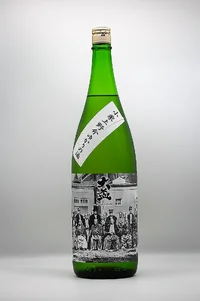
Ōsakazuki Junmai Ginjō Oguri Kōzuke-no-suke Yukari no Sake is a limited-edition junmai ginjō to commemorate the announcement that Oguri Kōzuke-no-suke Tadamasa, the central figure in the 2027 NHK Taiga drama "The Traitorous Shogunate Retainer".
- Prefecture
- Gunma (群馬)
- Rice type
- Tamanae (玉苗)
- Polishing rate (semaibuai)
- 60%
- Alcohol content
- 16%
- Brewery
- Makino Shuzō
- Name in Japanese
- 牧野酒造
- Address
- 2625-1 Gonda, Kurabuchi-machi, Takasaki-shi, Gunma 370-3401
- Phone
- 027-378-2011
- Website
牧野酒造 |元禄三年創業群馬最古の酒蔵
皆様、いつも牧野酒造をご愛顧いただき、心より感謝申し上げます。創業より三百有余年、先人たちが守り続けてきた伝統の技と、この地の豊かな自然の恵みを活かし、皆様に愛される酒造りに邁進してまいります。 makino-sake.co.jp
- Online store
牧野酒造|大盃オンラインショップ
牧野酒造株式会社(群馬県高崎市)の公式オンラインショップ。関東信越国税局酒類鑑評会 最優秀賞(首席第1位)獲得の品質をご賞味ください。www.makino-sake.jp
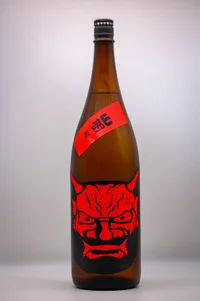
Oniyamma Red Label Nakadori Jikazume Junmai Muroka Genshu (鬼山間 赤ラベル +13 中採り直詰め 純米酒 無濾過原酒) is a limited seasonal release from Niigata Daiichi Shuzō in Jōetsu, Niigata Prefecture. Part of the brewery's Oniyamma series, it is a dry expression produced as a counterpart to the sweeter Yamma range...
- Prefecture
- Niigata (新潟)
- Rice type
- Gohyakumangoku (五百万石)
- Polishing rate (semaibuai)
- 77%
- Alcohol content
- 18%
- SMV
- +13%
- Brewery
- Niigata Daiichi Shuzō
- Name in Japanese
- 新潟第一酒造株式会社
- Address
- 660 Yokokawa, Uragawara-ku, Jōetsu, Niigata 942-0315,
- Phone
- 025-599-2236
- Website
新潟第一酒造株式会社 | 新潟県酒蔵 | Japan, Niigata, Joetsu, 浦川原区横川660
新潟第一酒造株式会社は、新潟県上越市酒蔵です。当社では、「越の白鳥」「山間」「越の露」など、多種多様な日本酒を製造・販売しており、地域に根ざした伝統的な製法を大切にしています。www.hakuchosake.com
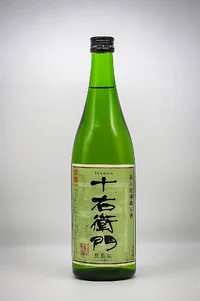
Jūemon Junmai Muroka Genshu is one of the flagship sake in the Jūemon range produced by Toshimaya Shuzō. Named after the brewery's founder, it is brewed from Hattan Nishiki rice from Hiroshima Prefecture.
- Prefecture
- Tōkyō (東京)
- Rice type
- Hattan Nishiki (八反錦)
- Polishing rate (semaibuai)
- 55% (Kōjimai), 60% (Kakemai)
- Alcohol content
- 17-18%
- SMV
- +3.5
- Brewery
- Toshimaya Shuzō
- Name in Japanese
- 豊島屋酒造
- Address
- 3-14-10 Kumegawa-chō, Higashimurayama-shi, Tōkyō 189-0003
- Phone
- 042-391-0601
- Website
東京都東村山市の酒蔵|豊島屋酒造|屋守や金婚などの日本酒を作っています。
東京都東村山市の酒蔵、豊島屋酒造の公式ホームページです。屋守や金婚などの日本酒を作っています。www.toshimayasyuzou.co.jp
- Online store
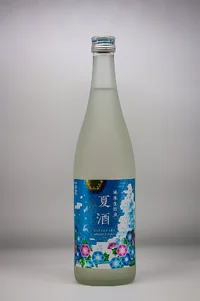
Hakushika Junmai Namachōzōshu is a junmai sake produced using the traditional namachōzō method. After brewing, the sake is stored without pasteurisation for a short period to preserve its fresh character.
- Prefecture
- Hyōgo (兵庫)
- Rice type
- Domestic rice (国産米)
- Polishing rate (semaibuai)
- 70%
- Alcohol content
- 14-15%
- SMV
- +2.0
- Brewery
- Tatsuuma Honke Shuzō
- Name in Japanese
- 辰馬本家酒造
- Address
- 2-10 Tateishichō, Nishinomiya, Hyōgo 662-0943
- Phone
- 0798-32-2727
- Website

白鹿 HAKUSHIKA 辰馬本家酒造株式会社
1662年(寛文二年)創業、灘五郷のひとつ、西宮郷の清酒「白鹿」辰馬本家酒造の公式サイトです。「酒はつくるものではなく、育てるもの」を信念に、銘柄「白鹿」に込められた、おおらかに楽しむ酒、長生を祈る酒を育て、お客様を笑顔にする日本酒のある豊かなシーンを創造していきます。www.hakushika.co.jp
- Online store

白鹿オンラインショップ(日本酒の白鹿:辰馬本家酒造株式会社) | 日本酒の白鹿の公式通販サイトです。
1662年(寛文二年)創業、灘五郷のひとつ、西宮郷の清酒「白鹿」辰馬本家酒造の公式通販サイトです。「酒はつくるものではなく、育てるもの」を信念に、銘柄「白鹿」に込められた、おおらかに楽しむ酒、長生を祈る酒を育て、お客様を笑顔にする日本酒のある豊かなシーンを創造していきます。黒松白鹿、白鹿や奈良漬、甘酒などを販売。shop.hakushika.co.jp
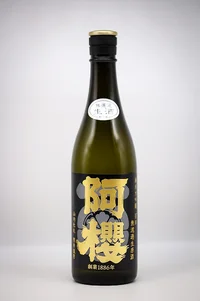
Azakura Junmai Daiginjō Muroka Namagenshu Hyakuden is a limited seasonal release from Akazakura Shuzō in Yokote, Akita Prefecture. It is brewed exclusively from Hyakuden, a sake rice variety developed in Akita Prefecture for local cultivation.
- Prefecture
- Akita (秋田)
- Rice type
- Hyakuden (百田)
- Polishing rate (semaibuai)
- 50%
- Alcohol content
- 15%
- SMV
- -1.0
- Acidity
- 1.5
- Brewery
- Azakura Shuzō
- Name in Japanese
- 阿櫻酒造
- Address
- 67-2 Nishino, Ōsawa, Yokote City, Akita, 013-0041
- Phone
- 0182-32-0126
- Website
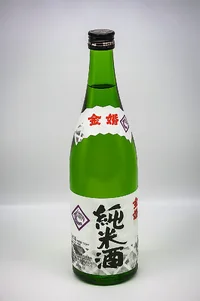
Toshimaya Kinkon Junmai is the standard junmai sake in Toshimaya Shuzō's flagship Kinkon range, one of Tokyo's oldest sake breweries. It is widely served as a celebratory sake to both Meiji Jingū and Kanda Myōjin.
- Prefecture
- Tōkyō (東京)
- Rice type
- Koshiibuki (こしいぶき)
- Polishing rate (semaibuai)
- 65%
- Alcohol content
- 15-16%
- SMV
- +1.0
- Brewery
- Toshimaya Shuzō
- Name in Japanese
- 豊島屋酒造
- Address
- 3-14-10 Kumegawa-chō, Higashimurayama-shi, Tōkyō 189-0003
- Phone
- 042-391-0601
- Website
東京都東村山市の酒蔵|豊島屋酒造|屋守や金婚などの日本酒を作っています。
東京都東村山市の酒蔵、豊島屋酒造の公式ホームページです。屋守や金婚などの日本酒を作っています。www.toshimayasyuzou.co.jp
- Online store
Latest items

Sōji-ji (總持寺) is one of two daihonzan (大本山, "head temples") of the Sōtō school of Zen Buddhism.

https://web.archive.org/web/20080913050837/http://www.economist.com/cities/citiesmain.cfm?city_id=TK
Latest economic and political news, travel tips, business etiquette, restaurant, hotel and nightlife guide, sightseeing and shopping

Students Representative Office Modern Japan (SRMJ) offers information and other services related to the studies of Modern Japan at Heinrich-Heine-Universität Düsseldorf.

MANISH (MANISH / マニッシュ)

Hotel New Hankyu Osaka Annex is a modern business hotel in Osaka's Umeda district.
St. Luke's International Hospital (聖路加国際病院) is a general and teaching hospital located in the Tsukiji district of Chūō, Tokyo, Japan. First opened in 1902, as a medical mission facility by the Episcopal Church in the United States, the hospital is now one

Family-friendly home in Tokyo with 15 properties on offer. Shelter-in-place staycations for Tokyo residents.
Scenic pictures of famous areas in Yamaguchi.
Latest items
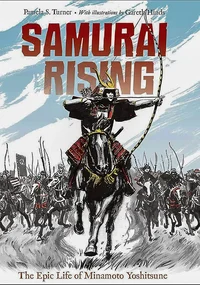
Minamoto Yoshitsune should not have been a samurai. But his story is a legend in this real-life saga.
This epic tale of warriors and bravery, rebellion and revenge, reads like a novel, but it is the true story of the greatest samurai in Japanese history.
When Yoshitsune was just a baby, his...
- Author
- Turner, Pamela S.
- Publisher
- Charlesbridge
- Year of publication
- 2016
- Number of pages
- 256
- Price
- USD 9.99
- ISBN
- 978-1580895842
History
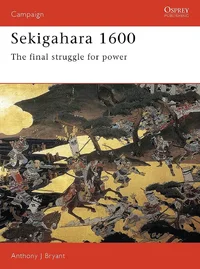
Sekigahara 1600
Osprey's Campaign title for Sekigahara (1600), which was the most decisive battle in Japanese history. Fought against the ritualised and colourful backdrop of Samurai life, it was the culmination of a long-standing power struggle between Tokugawa Ieyasu and Hashiba Hideyoshi, two of the most...
- Author
- Anthony J Bryant
- Publisher
- Osprey Publishing
- Year of publication
- 1995
- Number of pages
- 96
- Price
- USD 25.00
- ISBN
- 978-1855323957
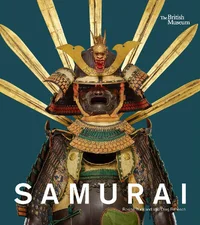
History
Samurai
This groundbreaking book, accompanying a major exhibition at the British Museum, challenges preconceptions of the samurai as a universal icon, tracing their fascinating history from medieval warriors to a global pop culture phenomenon.
- Author
- Buckland, Rosina/Benesch, Oleg
- Publisher
- The British Museum Press
- Year of publication
- 2026
- Number of pages
- 304
- Price
- GBP 40.00
- ISBN
- 9780714137018
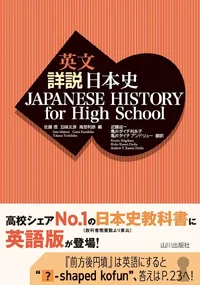
An English translation of Shōsetsu Nihonshi (詳説日本史, 日B309), Japan’s most widely trusted high school history textbook, presenting a clear and accessible account of Japan’s past.
- Author
- 佐藤 信 (Editor), 五味 文彦 (Editor), 高埜 利彦 (Editor), 近藤 成一 (Consultant Editor, Translator), 亀井 ダイチ 利永子 (Translator), 亀井 ダイチ アンドリュー (Translator)
- Publisher
- 山川出版社
- Year of publication
- 23 March 2024
- Number of pages
- 512
- Price
- JPY 3,300
- ISBN
- 978-4634591165
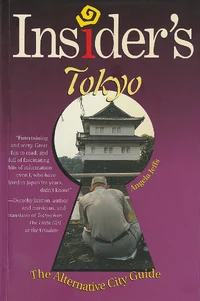
Travel Book
Insider's Tokyo
Unravels hidden facts, fascinating stories, faces and places of Tokyo's ancient history and vibrant present
- Author
- Angela Jeffs
- Publisher
- Times Books International
- Year of publication
- 2001
- Number of pages
- 280
- Price
- JPY 1,406 (Amazon)
- ISBN
- 978-9812049117
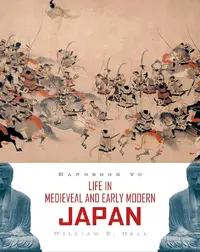
This book is an introduction to significant people and events - cultural, social, political, and historical - spanning the beginning of the Kamakura period in 1185 through the end of the Edo (Tokugawa) period in 1868.
- Author
- WIlliam E. Deal
- Publisher
- Oxford University Press
- Year of publication
- October 3, 2007 (paperback)
- Number of pages
- 415
- Price
- £23.99
- ISBN
- 978-0195331264

Fiction
Three Assassins
A propulsive new thriller from the bestselling author of "Bullet Train"
- Author
- Kotaro Isaka
- Publisher
- Penguin Random House Vintage
- Year of publication
- 16 February 2023
- Number of pages
- 304
- Price
- GBP 9.99
- ISBN
- 9781529115512

Fiction
The Mantis
Good dad or good assassin? Can he be both?
- Author
- Isaka Kotaro
- Publisher
- Penguin Random House Vintage
- Year of publication
- 25 April 2024
- Number of pages
- 272
- Price
- GBP 9.99
- ISBN
- 9781529920666

Fiction
Bullet Train
Five killers. One journey. But who will survive?
- Author
- Isaka Kotaro
- Publisher
- Penguin Random House Vintage
- Year of publication
- 21 July 2022
- Number of pages
- 464
- Price
- GBP 8.99
- ISBN
- 9781529116267

History
Racing the Enemy
Racing the Enemy: Stalin, Truman, and the Surrender of Japan
- Author
- Hasegawa Tsuyoshi
- Publisher
- Belknap Press: An Imprint of Harvard University Press
- Year of publication
- 30 September 2006
- Number of pages
- 382
- Price
- JPY 5,011
- ISBN
- 978-0674022416

Featured content
-
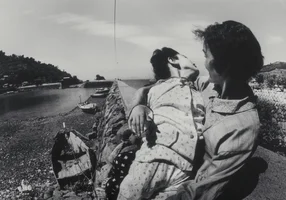 Article 'Waste and Memory: Niigata Minamata 60 Years Later'
- Yuki_Taro
- Views: 1K
- Comments: 1
-
Journal entry 'I was once almost pushed into a room in kabukicho...'
- Haruto Uzumaki
- Views: 9K
- Comments: 5
- Reviews: 1
-
 Journal entry 'クソババアが「死ね!!」と言われた'
- Haruto Uzumaki
- Views: 2K
- Comments: 4