


Russian Bear
後輩
- 7 Jul 2025
- 43
- 41
"My destiny and my favorite film": this cartoon from the USSR changed Miyazaki - without him, the most popular studio in Japan, Ghibli, might not have existed.
This Soviet cartoon conquered the whole world and was translated and shown in many countries, from the USA to Japan.
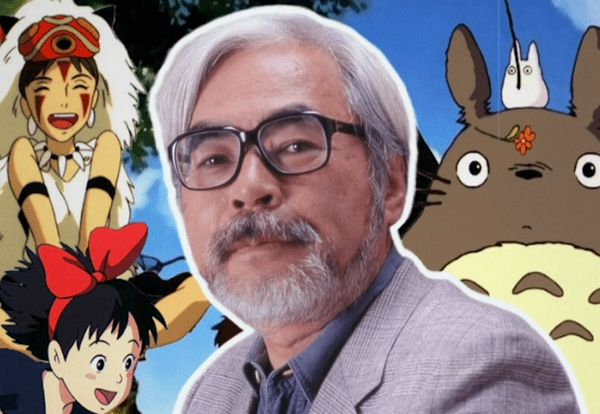
The Soviet project saved the career of the Japanese animator.
Soviet cartoons are still considered benchmarks - they are loved for their atmosphere, style, and careful attitude towards children and adults. And many still look more powerful than modern animated blockbusters.
So it is not surprising that Hayao Miyazaki himself, a legend of Japanese animation and the creator of the Ghibli studio, was among their fans.
Moreover, there is one Soviet cartoon that Miyazaki not only liked - it literally saved his career. This is "The Snow Queen" from 1957. This fairy tale was written by Hans Christian Andersen, a Danish writer of fairy tales for children and adults. He was born on April 2, 1805 in Odense on the island of Funen in Denmark.
Snow Queen with English dubbing:
Source:
Snow Queen with Russian dubbing:
Source:
At the beginning of his career, Miyazaki worked at Toei Doga Studios and quickly became disillusioned with the profession – he was on the verge of quitting. But in 1964, he accidentally went to a screening of The Snow Queen, organized by the union. And everything changed.
"If I hadn't seen The Snow Queen that day, I doubt I would have continued working as an animator," Miyazaki admitted.
He was literally glued to the cartoon. His friend recorded the soundtrack on tape, and Miyazaki began listening to it at work over and over again.
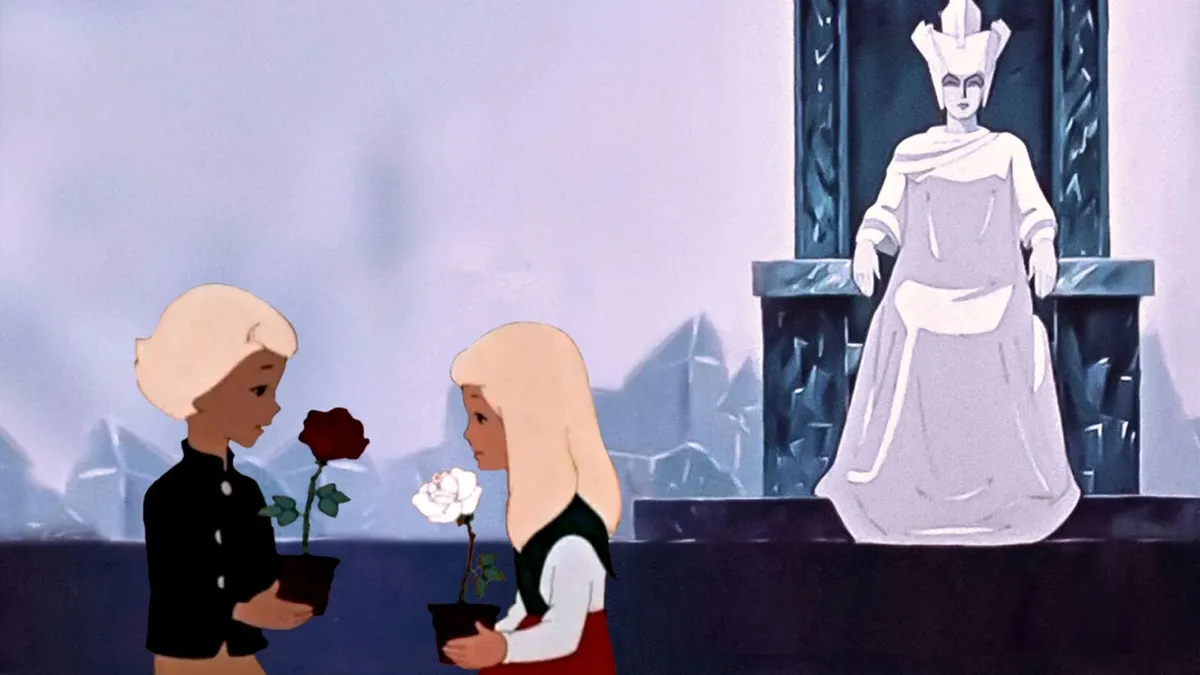
And in 2007, a poster with the Snow Queen and a signature from Miyazaki appeared in Ghibli Park:
"My destiny and my favorite movie."
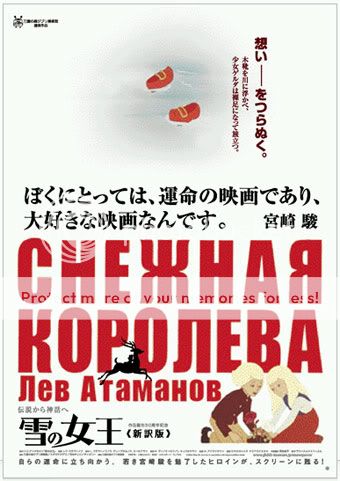
"The Snow Queen" in Japan
The poster quotes Miyazaki as saying:
"This film decided my fate, and that's why I love it."
In the year of its fiftieth anniversary, "The Snow Queen" was shown in Japanese cinemas.
Gerda's features impressed Miyazaki - especially in the scene where she gives her shoes to the lake. She travels the world, losing more and more things, while her spirit transforms the people she meets along the way.
What struck him most was the scene with the Bandit. It is far from the culmination of the cartoon, but for Miyazaki it became one of the main endings:
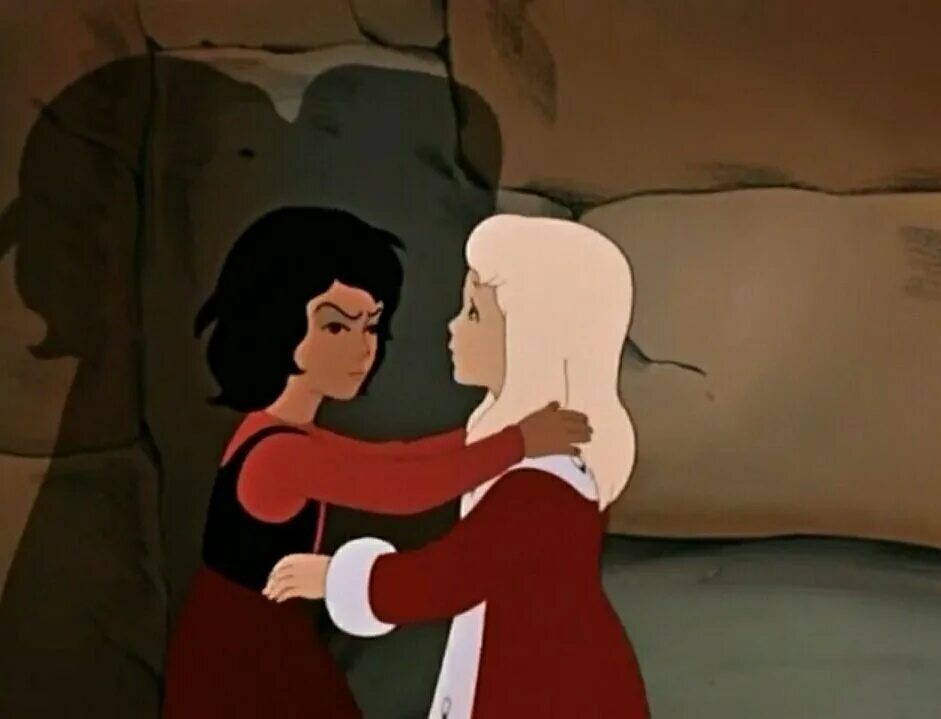
"When the Robber Girl listens to Gerda, she suddenly understands: she herself has no one she could love. All her life she tried to dominate others - and suddenly she realized that she does not want power, but closeness.
That is why she frees all the captured animals and tells them to get out of here. This is her only way to show love," Miyazaki shared his thoughts.
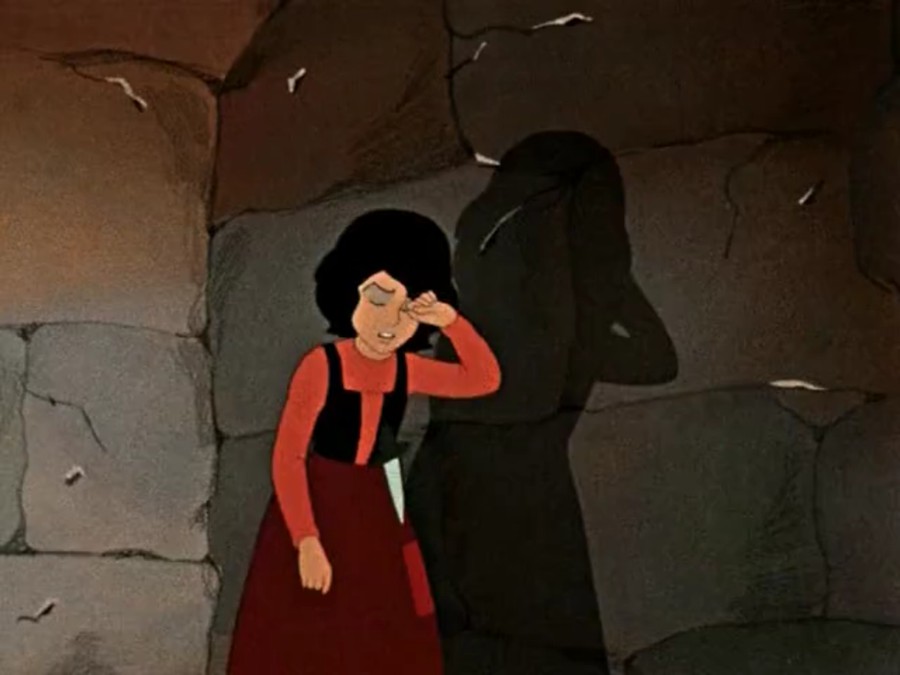
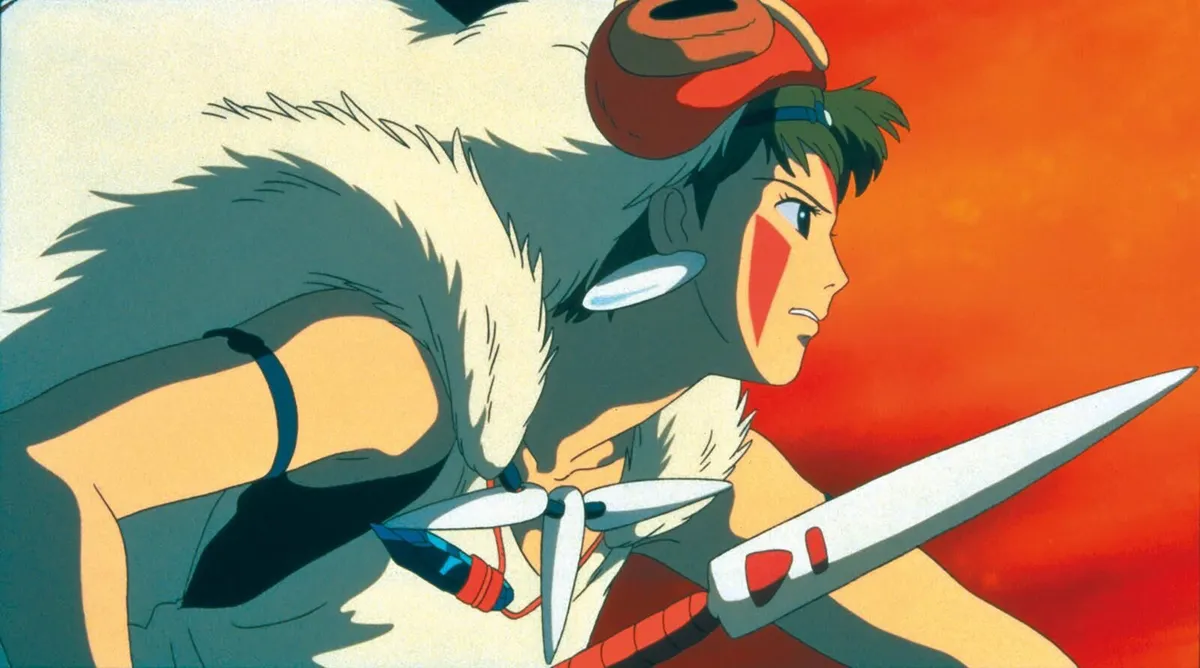
Similar heroines could later be seen in Miyazaki's own works, for example, in Kiki's Delivery Service, Princess Mononoke, or Ponyo.
The funniest thing is that Miyazaki always criticized Disney cartoons, while the artist of "The Snow Queen" Leonid Shvartsman, on the contrary, was inspired by "Bambi". It turns out that Miyazaki, without knowing it, was indirectly inspired by the American classic.
That's how one cartoon from the USSR not only got into the heart of the Japanese animator, but became his starting point. And who knows - maybe without this meeting, there would be no Ghibli studio.
This Soviet cartoon conquered the whole world and was translated and shown in many countries, from the USA to Japan.
The Soviet project saved the career of the Japanese animator.
Soviet cartoons are still considered benchmarks - they are loved for their atmosphere, style, and careful attitude towards children and adults. And many still look more powerful than modern animated blockbusters.
So it is not surprising that Hayao Miyazaki himself, a legend of Japanese animation and the creator of the Ghibli studio, was among their fans.
Moreover, there is one Soviet cartoon that Miyazaki not only liked - it literally saved his career. This is "The Snow Queen" from 1957. This fairy tale was written by Hans Christian Andersen, a Danish writer of fairy tales for children and adults. He was born on April 2, 1805 in Odense on the island of Funen in Denmark.
Snow Queen with English dubbing:
Source:
Snow Queen with Russian dubbing:
Source:
At the beginning of his career, Miyazaki worked at Toei Doga Studios and quickly became disillusioned with the profession – he was on the verge of quitting. But in 1964, he accidentally went to a screening of The Snow Queen, organized by the union. And everything changed.
"If I hadn't seen The Snow Queen that day, I doubt I would have continued working as an animator," Miyazaki admitted.
He was literally glued to the cartoon. His friend recorded the soundtrack on tape, and Miyazaki began listening to it at work over and over again.
And in 2007, a poster with the Snow Queen and a signature from Miyazaki appeared in Ghibli Park:
"My destiny and my favorite movie."
"The Snow Queen" in Japan
The poster quotes Miyazaki as saying:
"This film decided my fate, and that's why I love it."
In the year of its fiftieth anniversary, "The Snow Queen" was shown in Japanese cinemas.
Gerda's features impressed Miyazaki - especially in the scene where she gives her shoes to the lake. She travels the world, losing more and more things, while her spirit transforms the people she meets along the way.
What struck him most was the scene with the Bandit. It is far from the culmination of the cartoon, but for Miyazaki it became one of the main endings:
"When the Robber Girl listens to Gerda, she suddenly understands: she herself has no one she could love. All her life she tried to dominate others - and suddenly she realized that she does not want power, but closeness.
That is why she frees all the captured animals and tells them to get out of here. This is her only way to show love," Miyazaki shared his thoughts.
Similar heroines could later be seen in Miyazaki's own works, for example, in Kiki's Delivery Service, Princess Mononoke, or Ponyo.
The funniest thing is that Miyazaki always criticized Disney cartoons, while the artist of "The Snow Queen" Leonid Shvartsman, on the contrary, was inspired by "Bambi". It turns out that Miyazaki, without knowing it, was indirectly inspired by the American classic.
That's how one cartoon from the USSR not only got into the heart of the Japanese animator, but became his starting point. And who knows - maybe without this meeting, there would be no Ghibli studio.


