News Why there's a rice shortage in Japan

thomas

Unswerving cyclist
Admin
Joined
14 Mar 2002
Messages
21,050
Reaction score
18,903
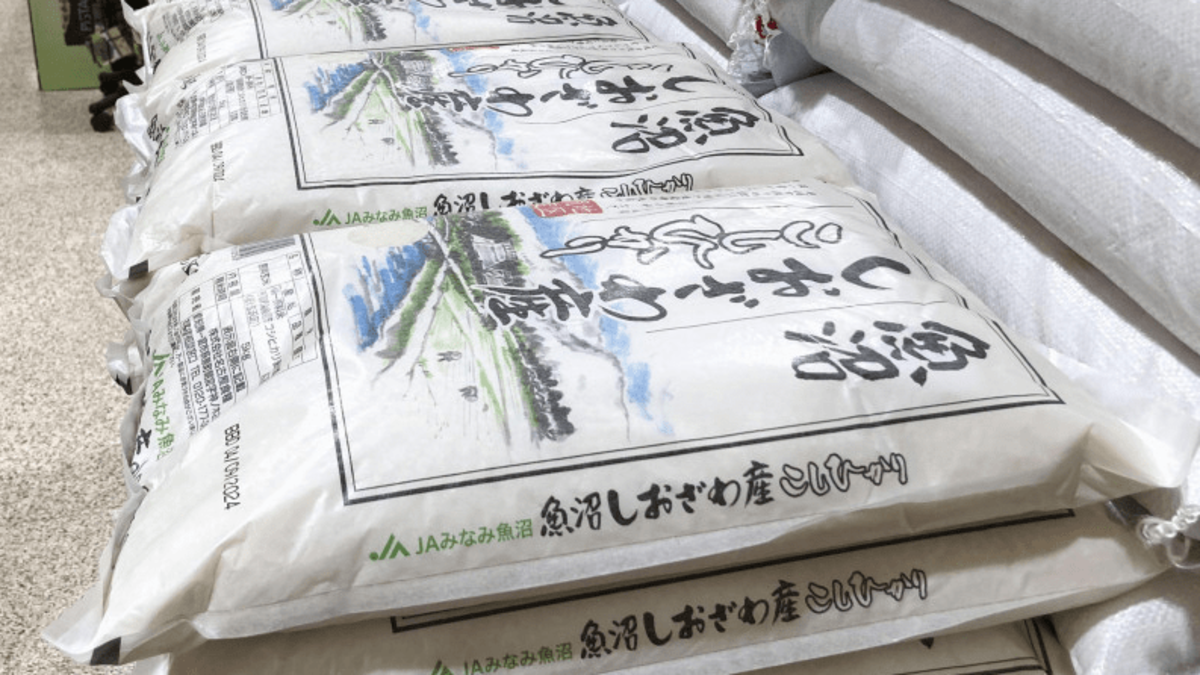
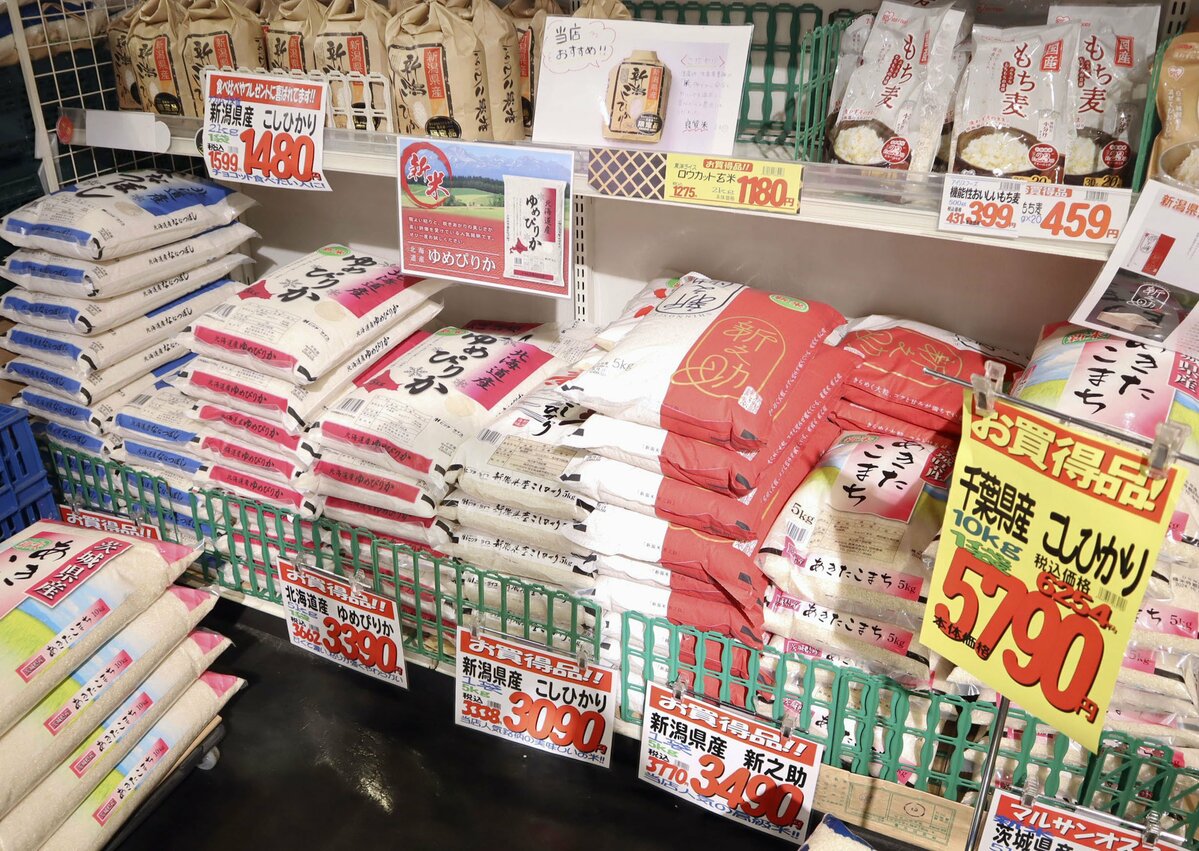
Japan is currently experiencing a temporary rice shortage, primarily due to seasonal factors. While concerns about the Nankai Trough earthquake have contributed to a general scarcity, the situation is not alarming. August is typically the month with the lowest rice supply, as the main rice-producing regions begin harvesting new crops in September. Additionally, a surplus from the pandemic years has been depleted, and demand has returned to pre-COVID levels.


Rice shortage in Japan

Photo credit: Jiji

"So there was already a slight shortage around June, July and August, but combined with this, in the past week or two, the warning over the Nankai Trough earthquake led to increased sales of rice in addition to things like water and emergency goods, according to people in the distribution sector," Itakura said, adding that the earthquakes in Kanagawa and Ibaraki prefectures in the past week may have also driven people to stock up on rice. According to a representative from the Central Union of Agricultural Co-operatives (JA Zenchu), other reasons for the rice shortage include increased consumption by inbound tourists and the impact of high temperatures on harvests. The fact that rice prices haven't been hit as heavily by inflation as other products may also have prompted more people to buy rice instead of other staples.


Dang id've thought japan would never run out of rice. I legit thought it would run out of fish before that happened.
 
To be honest, when I first saw the title to the thread, I thought it was referring to why Japan uses short grain rice. The rice shortage is a little interesting in that recently I've started to see more rice imports from Japan, mostly for kinuhikari type rice (which is just as good as koshihikari, imo).
 
@thomas can I ask how old you are?

Sure you can. What @mdchachi said.
:LOL: 👆

A word on forum etiquette: as this is not Discord, we try to keep threads on topic. If you want to ask something not directly related, please start a new thread or contact the member directly. I believe they call it DM on Discord (I have never used it).

To be honest, when I first saw the title to the thread, I thought it was referring to why Japan uses short grain rice. The rice shortage is a little interesting in that recently I've started to see more rice imports from Japan, mostly for kinuhikari type rice (which is just as good as koshihikari, imo).

Yes, I noticed it this morning. Changed the thread title. Thanks.

He started the forum in 1999. If we assume he was a child prodigy and did it before he entered kindergarten, we can safely assume he's at least 30.

I owe you a pint!
 
The other day I saw people on Japanese TV eating foreign rice in Japan and exclaiming how delicious it was, for the first time ever. I'm sure that broadcasters get guidance from the government about what they can and can't report, so I think this wasn't coincidental. Perhaps those in charge have realised that in the interests of Japan's food security, the country should open up the rice market, which will hopefully mean lower import taxes on non-Japanese rice.
 
No need to worry: the new rice harvest will soon be released into the market. The Ministry of Agriculture, Forestry, and Fisheries has urged consumers to remain calm and assured them that the shortage will be addressed shortly.

Says this Aomori farmer:

"High temperatures are causing rice to grow faster, but it's going well. There was no impact from typhoons. There's no need to panic." A person familiar with the agriculture ministry's thinking said, "We've heard from producing areas that rice is growing well. Given that new rice is set to be distributed from now on, we believe the rice shortage will be resolved to some extent.


No need to worry: the new rice harvest will soon be released into the market. The Ministry of Agriculture, Forestry, and Fisheries has urged consumers to remain calm and assured them that the shortage will be addressed shortly.

Says this Aomori farmer:


I think the situation is slightly less rosy. I saw on the TV that the harvest for this year is forecast to be similar to that last year, which wasn't great. However, as Thomas says, there will be plenty of rice in the shops very soon, and it's rather irresponsible of the media to add to the current shortage by scaring people into hoarding. We might experience similar problems this time next year, though.
 
The new rice harvest has been hitting the stores, but - surprise, surprise - expect to pay more.


It was the largest hike over the past 10 years. In top-ranked Niigata Prefecture, the price for Koshihikari rice increased 22 percent to 17,000 yen. The "Nanatsuboshi" variety in Hokkaido, Japan's second-largest producer, rose 32 percent to 16,500 yen. In western Japan, agricultural cooperatives in Kagawa and Kochi prefectures raised the up-front payments for Koshihkari rice by 42 percent and 43 percent, respectively. Government and industry officials said increased production costs are a key reason behind higher prices of this year's harvests. "Fuel expenses, electricity charges and other prices have surged, pushing up costs for rice production," said a representative of the Tochigi prefectural headquarters of the National Federation of Agricultural Cooperative Associations.


My local stores are either empty ( Cosmos are empty ) or the price controls are no longer in effect. Also I heard they are importing Calrose rice from California. Anyone know about that.
 
Tokyo rice prices surged a record 62.3% year-on-year in October, government data revealed on Friday. This sharp increase, the largest since records began in 1971, is primarily driven by rising labour and fertilizer costs, which farmers have passed on to consumers. The soaring prices come amidst a broader cost-of-living crisis in Japan, exacerbated by the yen's depreciation. This issue has become a central campaign topic in the country's recent general election. In addition to these factors, limited rice supply due to last year's heat and increased demand from the tourism sector have contributed to the upward price trend, particularly in urban areas.


Rice price surge


With the consumer price figures in Japan's capital serving as a bellwether for the national trend, analysts expect the costs to remain high, dispelling hopes that the arrival of new rice in the fall might lower prices. Against a backdrop of the jumping rice price, food prices in Tokyo rose 3.8 per cent in October, the Ministry of Internal Affairs and Communications said. Electricity costs and city gas prices climbed 4.0 per cent and 1.8 per cent, respectively. Chocolate prices rose 21.7 per cent as confectionery makers revised their price tags upward in the reporting month in the face of surging raw material costs. Coffee beans and imported beef also gained 16.6 per cent and 14.1 per cent, respectively. Core consumer prices in Tokyo rose 1.8 per cent from a year earlier. But the pace decelerated for the second consecutive month, a year after electricity and city gas bills increased as the government slashed its subsidy programs for those items.


Despite not being in Japan, I've been feeling the shortage for some time now. I ususally purchase Japan-grown koshihikari via shops in the EU (since 25% VAT + import fees from anything outside the EU make it too expensive to get it straight from Japan) but for the longest time now it's been incredibly hard to get my hands on.
My main rice pusher has been Japan Centre in the UK but they no longer ship to mainland Europe (thank you Brexit >_>) and the Asian shops in Germany that ship to Denmark have either been out of stock or selling at €10-15 per kg, sans shipping.
I'm currently buying Vietnamese koshihikari at an acceptable €6 per kilo but it's just not the same. Less sweet, difficult to steam to perfection, texture is more mushy. It's hard to be a rice lover right now.
 
We had been using California-grown koshihikari, with an extremely rare bag of kinuhikari from Japan. But now it's just too expensive. We had switched over to a Korean short grain brown rice, but that got expensive, too. Now we've settled on Jasmine rice for the time being. It's not the same, but my wife really doesn't care, being from a part of China where they don't eat much rice at all. I'm the only one I know who cares about rice these days, so it's a lonely fight.

My heart goes out to you, @dracuella !
 
Now we've settled on Jasmine rice for the time being. It's not the same, but my wife really doesn't care, being from a part of China where they don't eat much rice at all. I'm the only one I know who cares about rice these days, so it's a lonely fight.
That's how I've been been stretching my rice stash, too. If I'm making anything with a thick sauce (think カレーライス) I've been using Jasmine but for my bento and donburi I have to have the real deal.

And thanks, @Mikawa Ossan, let's hope it'll start looking up soon so we can get our beloved rice again (and at less-than-exorbitant prices, too 😓)
 
Can we please all relax now?? :LOL:


Japan's rice production for 2024 is expected to surpass demand, easing recent supply shortages and high prices caused by last year's heatwave. The Ministry of Agriculture, Forestry, and Fisheries predicts a harvest of 6.83 million tons, exceeding the estimated demand of 6.74 million tons. Private rice inventories are also projected to increase, recovering from their lowest level in history.

 
I think people will relax when the price of rice drops to a reasonable level. A 50% increase in prices during a year when there was a fairly average harvest is a sign of an utterly dysfunctional and failing market. There'd be riots in many countries.
 
Seiyu, a Japanese supermarket chain, has started selling Taiwanese rice for the first time. This move comes in response to rising domestic rice prices in Japan. The Taiwanese rice brand, "Musubi no Sato," is a short-grain variety similar to Japanese rice, offering a familiar taste and texture to Japanese consumers. Priced at a 20% discount compared to domestic rice, "Musubi no Sato" is milled in Taiwan and packaged in Japan. It is available at 138 Seiyu stores across eastern Japan and other regions. The rice has already piqued the interest of some customers, who are drawn to its affordability and quality.


9.jpg

Musubi no Sato rice from Japan (photo credit: Mainichi)


While this fall's new rice harvest has significantly eased the rice shortage, prices remain high. The prices of rice sold at Seiyu are currently 70% to 80% higher than last year, with many brands of domestic rice costing over 3,000 yen (around $19) for 5 kg. According to Shoichi Takashima, who oversees rice procurement at Seiyu, the decision to sell Taiwanese rice was made around June, when the rice shortage became severe. He explained, "Although rice prices are soaring, rice is essential to the daily diet here. Taiwanese rice, priced in the 2,000-yen range, offers good value and can be expected to become a new option for customers."


The other day I saw people on Japanese TV eating foreign rice in Japan and exclaiming how delicious it was, for the first time ever. I'm sure that broadcasters get guidance from the government about what they can and can't report, so I think this wasn't coincidental. Perhaps those in charge have realised that in the interests of Japan's food security, the country should open up the rice market, which will hopefully mean lower import taxes on non-Japanese rice.
I'm not sure about lower rice prices in Japan. I'm currently in Thailand and to be quite frank with you, rice is somewhat expensive here. Just like Japan.
 
Back
Top Bottom