


- 14 Mar 2002
- 21,050
- 18,903
Nikkei Asia takes a nostalgic glance at the declining depatos of Japan.
And it's not only the department stores on the brink of extinction but fish, meat, vegetable, fruit, tofu, sweets and hardware stores in shotengai which met a similar fate.
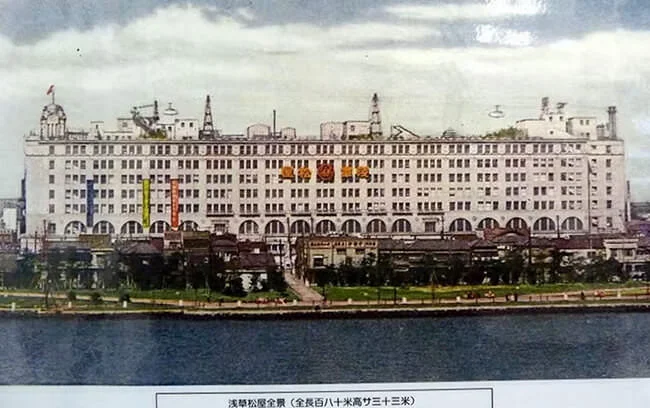
Matsuya department store in Asakusa 1931 (Wikipedia)
The decreasing popularity of gift-giving and the advent of Amazon in Japan dealt another blow to Japan's department store culture.
Paywall alert:

 asia.nikkei.com
And it's not only the department stores on the brink of extinction but fish, meat, vegetable, fruit, tofu, sweets and hardware stores in shotengai which met a similar fate.
Matsuya department store in Asakusa 1931 (Wikipedia)
Between 1990 and 2020, department store revenues declined from 9 trillion JPY (USD 63.4 billion) to 6 trillion yen. A 2.8 trillion JPY decline in apparel revenues was by far the biggest contributor. [...] there are 185 surviving department stores today, compared with 55,000 convenience stores and 19,000 supermarkets. In 2022, Fast Retailing, the parent of the fast fashion brands Uniqlo and GU, sold more apparel in Japan than all the department stores combined. A radical shift in demand starting in the 1990s toward cheap, disposable, casual clothing blindsided the department stores. A similar damaging shift took place in the market for home furnishings, typically located on the floors above apparel. Fish, meat, vegetable, fruit, tofu, sweets and hardware stores in shotengai (local shopping streets) met a similar fate as convenience stores and supermarket chains, suburban malls, and superstores siphoned off business.
The decreasing popularity of gift-giving and the advent of Amazon in Japan dealt another blow to Japan's department store culture.
Another blow came when the Japanese began to ignore their ancient seasonal gift-giving obligations. Department stores used to rely on the summer (chugen) and year-end (seibo) gift-giving seasons for a substantial portion of their revenues. Today, seasonal gift-giving has become optional, a data point in the changing soul of Japan. The arrival of Amazon in Japan in 2000 and the iPhone in 2008 were further body blows.
Paywall alert:
For Japan's department stores, the game is nearly over
Iconic retail sector reflected Japan's postwar moment in the sun
asia.nikkei.com


