


- 14 Mar 2002
- 21,050
- 18,904
Health officials are sounding the alarm over a sharp increase in potentially severe Mycoplasma pneumoniae infections across Japan. In the week ending on 22 September, an average of 1.48 cases per medical institution were reported nationwide, the highest weekly rate in a decade. Fukui prefecture has the highest infection rate, followed by Tokyo, Gifu, Ibaraki , Osaka, and Hiroshima. The respiratory illness spreads through airborne droplets and can cause fever, cough, fatigue, and headache.
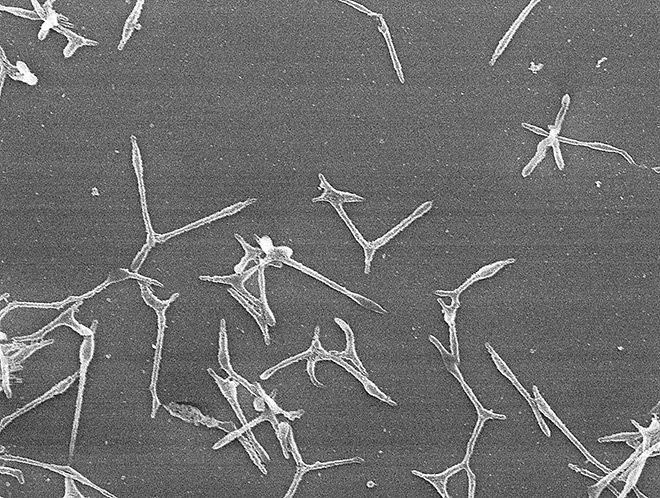
The health ministry warns that patients have become infected at school and home in many cases. It urges people to wash their hands with soap and wear face masks if they cough.

 www3.nhk.or.jp
The respiratory infection spreads through droplets released into the air by sneezing and coughing, leading to symptoms such as fever, cough, fatigue and headache. Coughing can persist for several weeks in some cases. Some patients may experience symptoms severe enough to require hospitalization. In rare instances, it can lead to encephalitis, a brain inflammation. While most patients are children aged 14 or younger, cases have also been reported among adults, especially those in their 30s or younger, without underlying health conditions, according to Takeshi Saraya, a professor specializing in infectious diseases at Kyorin University in Tokyo. Saraya advises people to seek medical treatment if they have a severe cough or a prolonged fever, as most Mycoplasma pneumonia patients see improvement in symptoms with antibiotic treatment. Mycoplasma pneumonia epidemics occur in Japan every four to five years, with a significant increase in cases reported in 2012 and 2016.
The health ministry warns that patients have become infected at school and home in many cases. It urges people to wash their hands with soap and wear face masks if they cough.
Mycoplasma pneumonia cases in Japan hit all-time high | NHK WORLD-JAPAN News
NHK has learned the number of Mycoplasma pneumonia cases is surging in Japan with the weekly number of patients per medical institution hitting an all-time high.
www3.nhk.or.jp


