


- 14 Mar 2002
- 21,056
- 18,911
It is a linguistic trap few learners of Japanese have avoided: declaring yourself pera pera (fluent in a language) when you're peko peko (hungry); or breaking into applause (pachi pachi) when the dentist asks you to kachi kachi (bite repeatedly). Navigating the rich and varied world of Japanese onomatopoeia can result in laughter and mild embarrassment. Still, the words can also be a quick and effective way to get through to a friend or colleague.
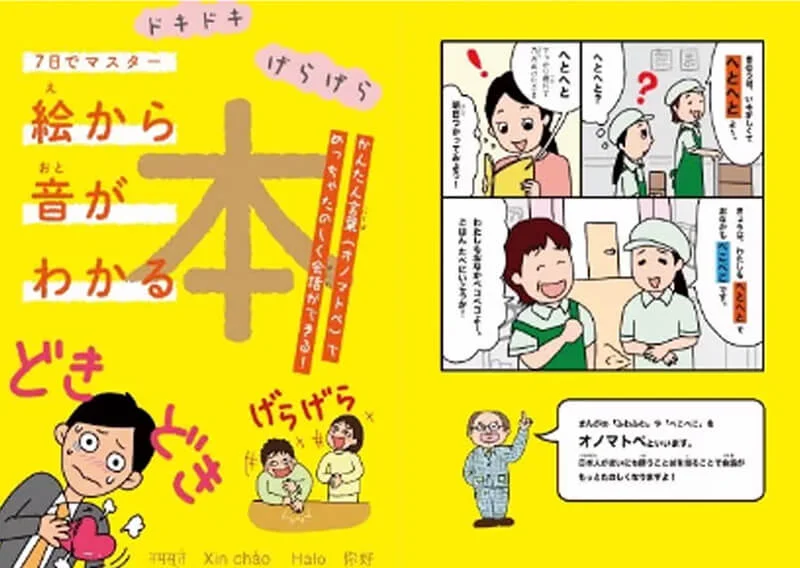
Mie Prefecture has compiled a guide for foreigners who want to understand more about it.

 www.theguardian.com
Wikipedia has a page on the Japanese sound system:
Mie Prefecture has compiled a guide for foreigners who want to understand more about it.
It contains a host of words that can be used in everyday situations, such as a visit to the doctor, who might hear of their patient's throbbing (zuki zuki) ankle or pounding (gan gan) headache, a piri piri (stinging) insect bite or muzu muzu (scratchy) throat. Hara and other members of the nonprofit sifted through a Japanese dictionary to create a list of 100 words, according to the Mainichi Shimbun newspaper. They are divided into categories – from actions and emotions to the weather and descriptions of inanimate objects – and accompanied by an illustration and descriptions in Chinese, Vietnamese, Nepalese and Indonesian. Wan Fang, a Chinese resident, said the guide had already made her job at a supermarket a little easier. "When I was told that the floor was tsuru tsuru in Japanese, I didn't know what it meant, but when I saw the illustration in the book, I instantly understood that tsuru tsuru means the floor is clean or slippery," Wan told the newspaper. The print run of 1,000 copies is expected to find a keen readership among students attending local Japanese language schools – as of January, Mie was home to 31,000 foreign residents. Nationwide, the non-Japanese population reached a record 3.2 million last year, according to the immigration services agency.
‘Pachi pachi’ or ‘kachi kachi’? Japan launches foreigners’ guide to tricky world of onomatopoeia
As foreign population reaches record levels, the western prefecture of Mie has compiled a guide for those who need it
Wikipedia has a page on the Japanese sound system:
The sound-symbolic words of Japanese can be classified into four main categories:
- Animate phonomime (擬声語 giseigo): words that mimic sounds made by living things, like a dog's bark (wan-wan).
- Inanimate phonomime (擬音語 giongo): words that mimic sounds made by inanimate objects, like wind blowing or rain falling (zā-zā).
- Phenomime (擬態語 gitaigo): words that depict states, conditions, or manners of the external world (non-auditory senses), such as "damp" or "stealthily".
- Psychomime (擬情語 gijōgo): words that depict psychological states or bodily feelings.
Japanese sound symbolism - Wikipedia
en.wikipedia.org


