- 14 Mar 2002
- 21,050
- 18,902
After a Russian Kh-101 cruise missile struck a residential tower block in Kyiv in May, killing at least 24 people, investigators searched the wreckage. A Ukrainian assessment found that the missile had been guided by Japanese-made components, despite broad export bans on such technology being in place.
Using confidential government documents, company records, and interviews with dozens of intelligence and government officials across three continents, The New York Times traced the operations of Russia's 20th Directorate and the important role its Tokyo station played in supporting President Vladimir Putin's war against Ukraine. Most of those interviewed spoke anonymously because they were not authorised to discuss intelligence matters publicly.
Ukrainian officials have provided Japan with evidence that Japanese technology is being used in Russian attacks, according to documents and interviews. Yet despite Tokyo's outspoken support for Ukraine, the Japanese government has been slow to respond.
Article gifted by JREF:

 www.nytimes.com
Read more:

 www.rusi.org
Using confidential government documents, company records, and interviews with dozens of intelligence and government officials across three continents, The New York Times traced the operations of Russia's 20th Directorate and the important role its Tokyo station played in supporting President Vladimir Putin's war against Ukraine. Most of those interviewed spoke anonymously because they were not authorised to discuss intelligence matters publicly.
Ukrainian officials have provided Japan with evidence that Japanese technology is being used in Russian attacks, according to documents and interviews. Yet despite Tokyo's outspoken support for Ukraine, the Japanese government has been slow to respond.
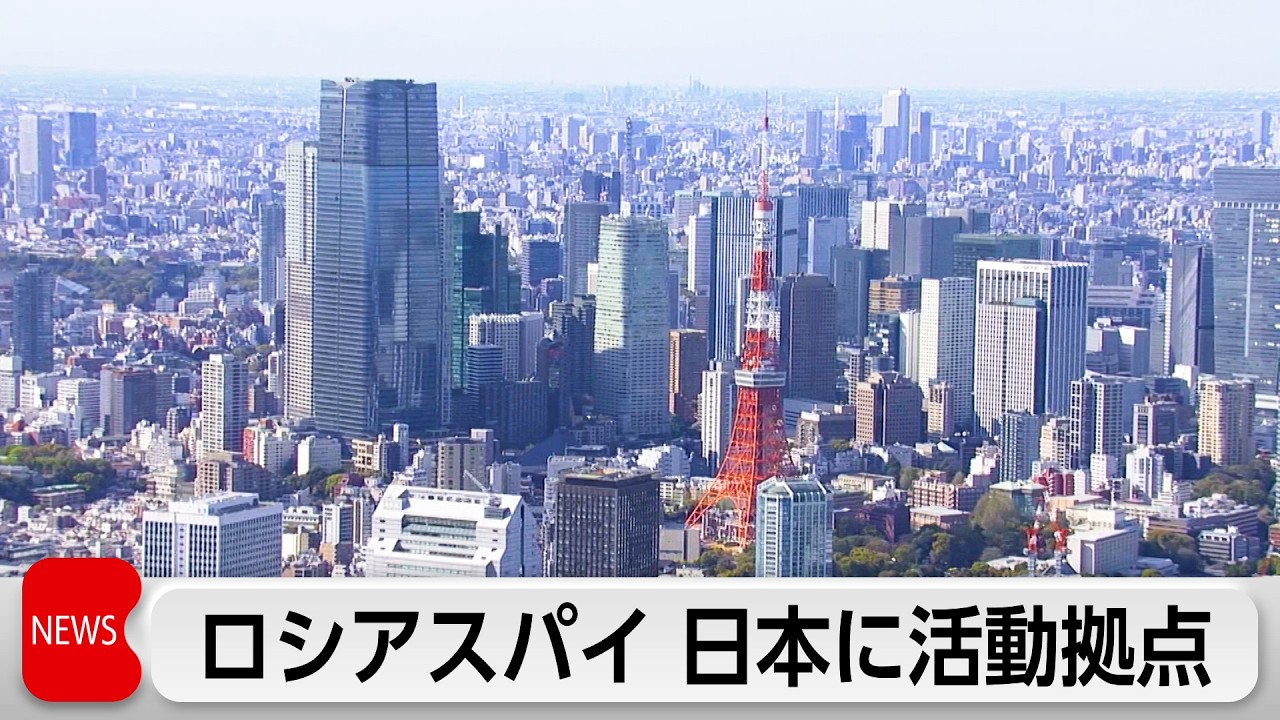
Japan has long been known as a spy paradise, in part because of post-World War II constraints imposed by the victors that have kept the country's intelligence services weak. Japan does not even have a foreign intelligence agency. Officials say that they recognise the espionage threat and are working to remove decades-old restrictions on intelligence gathering. [...] The Japanese Ministry of Foreign Affairs did not respond to detailed questions about espionage but said that the government had worked with Western allies to ban the export of military-related items to Russia. [...] Nevertheless, Russian spies appear to be operating right under the noses of the Japanese authorities. Aeroflot's office in Tokyo is a 10-minute walk from the headquarters of the National Police Agency, which investigates espionage. Western intelligence officials say that it is there, in the airline office, on the 22nd floor, that the 20th Directorate's man in Tokyo runs his deadly operation.
Article gifted by JREF:
How Putin Turned Japan Into a Den of Spies
Operating out of a Tokyo high-rise, a military intelligence unit finds the high-tech equipment that Russia needs to wage war.
Read more:
Re-Establishing Japan’s Intelligence Capability – ‘Spy Paradise’ lost?
Japan has had enough of being a ‘spy paradise’: lacking key elements of intelligence capability and enduring society-wide vulnerability to foreign espionage and influence.
www.rusi.org