


- 14 Mar 2002
- 21,050
- 18,903
In case you've never heard about "Labubu" (like me):
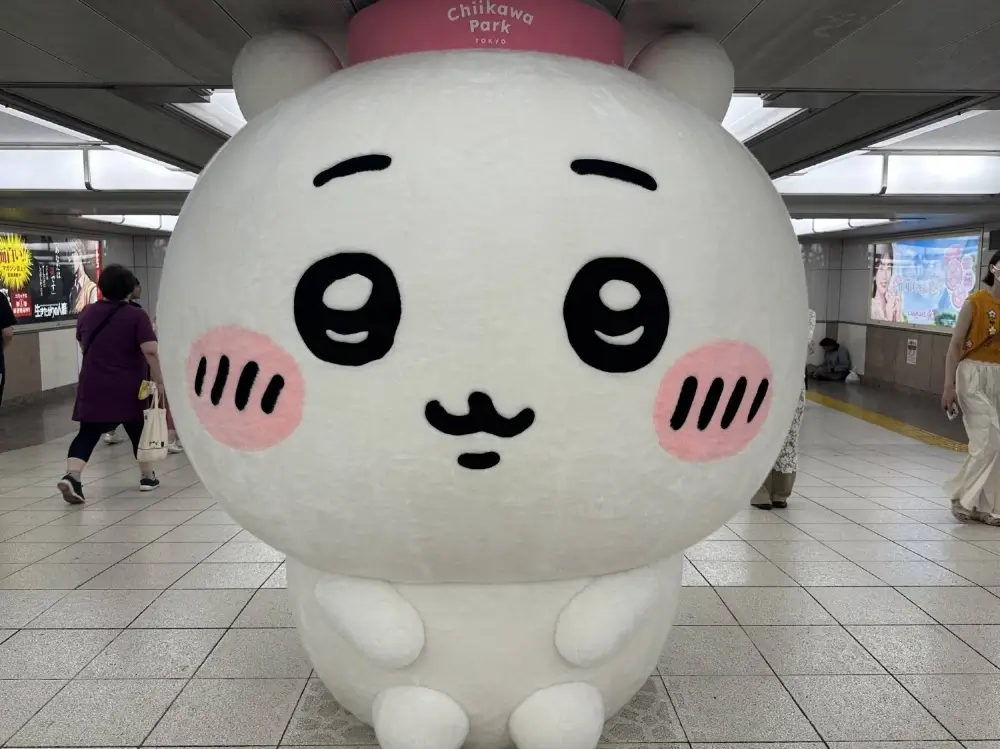
Chiikawa (ちいかわ), also known as Nanka Chiisakute Kawaii Yatsu (なんか小さくてかわいいやつ) character at Ikebukuro Station.
The character first appeared in the 2015 book series The Monsters. Still, it only gained widespread popularity through a licensing deal with Chinese retailer Pop Mart in 2019, which began producing Labubu figures in the now-trendy "blind box" format, where buyers don't know which design they will receive until opening it. Since then, the line has expanded dramatically: by 2025, there were over 300 versions of Labubu available, ranging from tiny keychain size to rare "mega" editions, one mint-green variant fetching as much as US $170,000 at auction.
The popularity of Labubu has snowballed thanks to celebrity boosts—K-pop star Lisa of Blackpink was seen with a Labubu keychain, and others like Rihanna and Dua Lipa have helped turn Labubu into a fashion accessory on bags worldwide. This trend drove soaring sales and made Labubu a central icon of the global "designer toy" wave. Pop Mart's revenue skyrocketed—plush toy sales surged by over 1,200 per cent, contributing to a doubling of revenue in 2024 and a 300-plus per cent jump in profits early in 2025. Labubu's success, however, hasn't been free of controversy. The high demand spawned a wave of counterfeit dolls—commonly known as "Lafufu"—many of which fail safety standards and pose hazards, prompting consumer warnings in markets like the US and U.K.
In essence, Labubu is an elvish character born from a blend of Nordic myth and modern designer toy culture, transformed by Pop Mart's blind-box marketing into a global collectable phenomenon. It spans the worlds of art, storytelling, fashion, and commerce, serving as a case study in how a seemingly simple plush toy can capture global imagination.
Japan might appear to be the ideal market for Labubu — the jagged-toothed, furry creatures created by a Hong Kong artist that have taken much of the Western world by storm over the past year with their quirky brand of kawaii (cuteness). On 25 August, Uniqlo is set to launch a collaboration with Labubu and its retail partner Pop Mart, offering T-shirts and sweatshirts for women and girls featuring the character. Pop Mart itself has been steadily expanding its footprint in Japan, operating ten stores in Tokyo and Osaka, along with more than a dozen "Robo Shop" vending machines across major cities. With Japan's deep-rooted appetite for cuteness and a strong retail infrastructure in place, the stage seemed set for Labubu to become the country's next major craze, just as it has elsewhere. Yet that has not happened. Many Labubu dolls are turning up on Japanese resale sites at three to four times their original ¥2,255 price tag, but buyers remain scarce.
One reason is that Japanese consumers already enjoy an abundance of established choices when it comes to indulging in cuteness, leaving little space for a newcomer like Labubu to dominate.

 www.japantimes.co.jp
Chiikawa (ちいかわ), also known as Nanka Chiisakute Kawaii Yatsu (なんか小さくてかわいいやつ) character at Ikebukuro Station.
What is Labubu?
Labubu (ラブブ), the signature character in Pop Mart's blind-box collectable series The Monsters, is the brainchild of Hong Kong-born illustrator Kasing Lung (龍家昇, b. 1972), who drew inspiration from Nordic folklore for his whimsical creations. Labubu is portrayed as a little elf-like forest creature with a round, furry body, wide expressive eyes, pointed ears, and nine sharp teeth forming a mischievous grin—an appearance that is at once playful, slightly fierce, and utterly memorable.The character first appeared in the 2015 book series The Monsters. Still, it only gained widespread popularity through a licensing deal with Chinese retailer Pop Mart in 2019, which began producing Labubu figures in the now-trendy "blind box" format, where buyers don't know which design they will receive until opening it. Since then, the line has expanded dramatically: by 2025, there were over 300 versions of Labubu available, ranging from tiny keychain size to rare "mega" editions, one mint-green variant fetching as much as US $170,000 at auction.
The popularity of Labubu has snowballed thanks to celebrity boosts—K-pop star Lisa of Blackpink was seen with a Labubu keychain, and others like Rihanna and Dua Lipa have helped turn Labubu into a fashion accessory on bags worldwide. This trend drove soaring sales and made Labubu a central icon of the global "designer toy" wave. Pop Mart's revenue skyrocketed—plush toy sales surged by over 1,200 per cent, contributing to a doubling of revenue in 2024 and a 300-plus per cent jump in profits early in 2025. Labubu's success, however, hasn't been free of controversy. The high demand spawned a wave of counterfeit dolls—commonly known as "Lafufu"—many of which fail safety standards and pose hazards, prompting consumer warnings in markets like the US and U.K.
In essence, Labubu is an elvish character born from a blend of Nordic myth and modern designer toy culture, transformed by Pop Mart's blind-box marketing into a global collectable phenomenon. It spans the worlds of art, storytelling, fashion, and commerce, serving as a case study in how a seemingly simple plush toy can capture global imagination.
Japan might appear to be the ideal market for Labubu — the jagged-toothed, furry creatures created by a Hong Kong artist that have taken much of the Western world by storm over the past year with their quirky brand of kawaii (cuteness). On 25 August, Uniqlo is set to launch a collaboration with Labubu and its retail partner Pop Mart, offering T-shirts and sweatshirts for women and girls featuring the character. Pop Mart itself has been steadily expanding its footprint in Japan, operating ten stores in Tokyo and Osaka, along with more than a dozen "Robo Shop" vending machines across major cities. With Japan's deep-rooted appetite for cuteness and a strong retail infrastructure in place, the stage seemed set for Labubu to become the country's next major craze, just as it has elsewhere. Yet that has not happened. Many Labubu dolls are turning up on Japanese resale sites at three to four times their original ¥2,255 price tag, but buyers remain scarce.
One reason is that Japanese consumers already enjoy an abundance of established choices when it comes to indulging in cuteness, leaving little space for a newcomer like Labubu to dominate.
Character-crazed Japan has little appetite for Labubu
The monster dolls may be driving fans wild elsewhere, but Japan has long had plenty of its own domestically produced characters that know exactly what consumers want.
Last edited:


