


- 14 Mar 2002
- 21,050
- 18,903
Kagoshima has surpassed Shizuoka in green tea production, claiming the top spot in Japan due to differences in cultivation techniques between the two regions and changing consumer preferences. According to data released in March by the Ministry of Agriculture, Forestry, and Fisheries, Kagoshima's green tea output in 2019 was valued at 25.2 billion yen ($2.32 million), slightly exceeding Shizuoka's 25.1 billion yen. This marks the first time since 1967 when records began, that Shizuoka has lost its position as Japan's leading tea-producing prefecture.
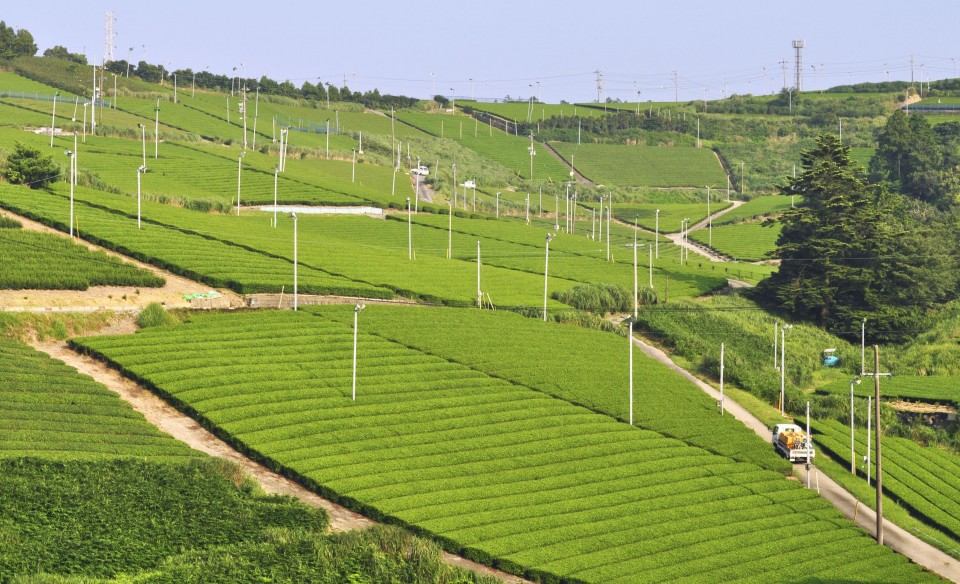
Tea plantation in Kakekawa, Shizuoka (photo credit: Kyodo)
Changes in consumer behaviour have favoured Kagoshima:
 english.kyodonews.net
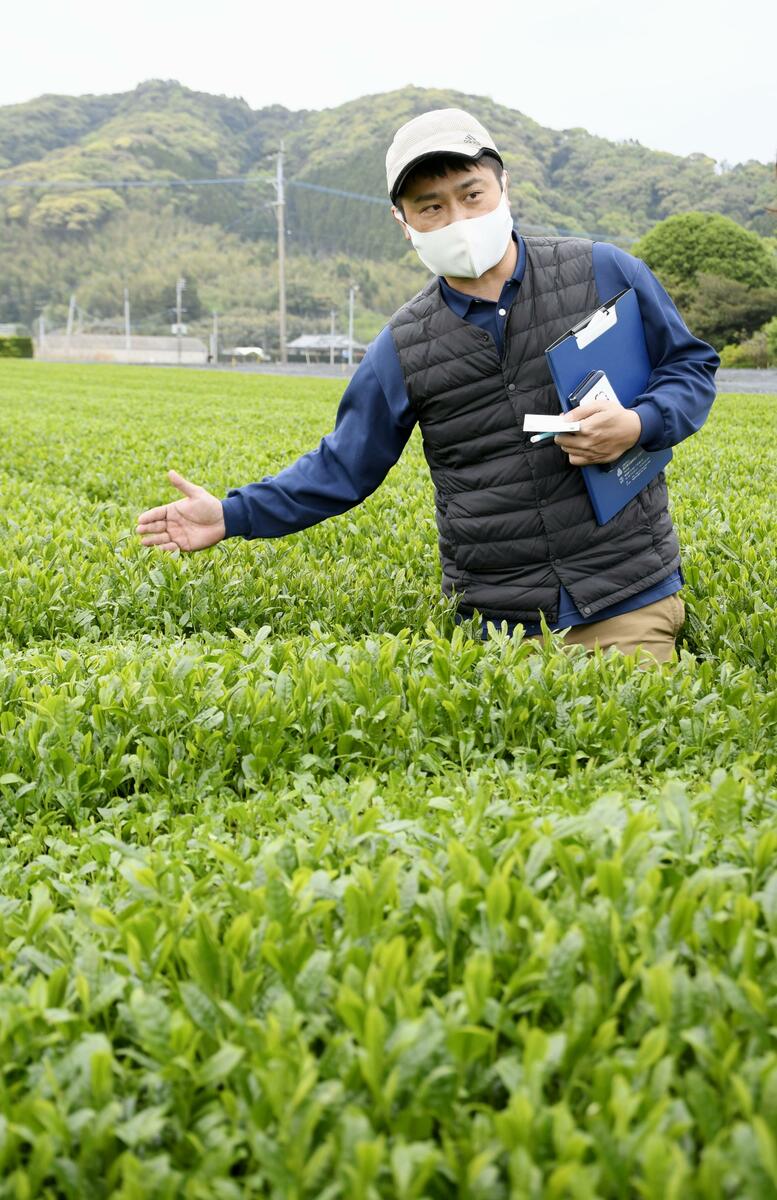
Tea plantation in Kakekawa, Shizuoka (photo credit: Kyodo)
Output in Shizuoka has decreased more than 40 per cent over the past decade, while Kagoshima's has remained constant. As Kagoshima has extensive areas of flat land as compared to the rest of Japan, local tea farmers have promoted large-scale cultivation and capitalized on the growing demand for bottled tea. In contrast, Shizuoka has continued to focus on high-grade tea. [...] More than 97 per ent of tea farms in Kagoshima have adopted large-scale machinery, compared to the national average of less than 60 percent. Technology-streamlined work processes enable farmers to harvest the second and third tea crops to ensure profitability. Tea farms are often on steep hillsides in Shizuoka, making it difficult for growers to introduce large machinery. "Efforts to streamline operations and consolidate farmland haven't gone our way," said an official in the tea promotion division of the Shizuoka prefectural government.
Changes in consumer behaviour have favoured Kagoshima:
Spending on tea-based beverages, such as bottled tea, amounted to 7,676 yen per household in 2020, up 34 per cent from a decade earlier, while the consumption of loose leaf tea, brewed in teapots, fell 16 per cent to 3,817 yen. Growers in Japan's central prefecture of Shizuoka prioritize the production of high-priced "ichibancha" (first tea crop) that is brewed in teapots. But its consumption has been on the decline. To create new demand for loose leaf tea, a "tea pairing" campaign to promote the drinking of tea with complementary meals is underway in Shizuoka. "We would like to propose new ways of drinking that make the best use of the goodness of Shizuoka tea," said Norihisa Ito, an executive director at the Chamber of Tea Association of Shizuoka Prefecture.
FOCUS: Kagoshima overtakes Shizuoka in green tea output for Japan's top spot
Kagoshima has overtaken Shizuoka in output equivalent to green tea sales, gaining the top spot in Japan, with differences in cultivation methods between the two prefectures and changes in consumer tastes behind the shift.


