


- 14 Mar 2002
- 21,050
- 18,903
As Japan's Muslim population grows (approximately 350,000 at the beginning of 2024), the need for burials that follow Islamic traditions is also increasing, creating a challenge in a country where cremation is typical. Although some local governments are looking into the possibility of new cemeteries for foreign workers, these plans have met resistance from some community leaders, who have cited sanitary concerns.
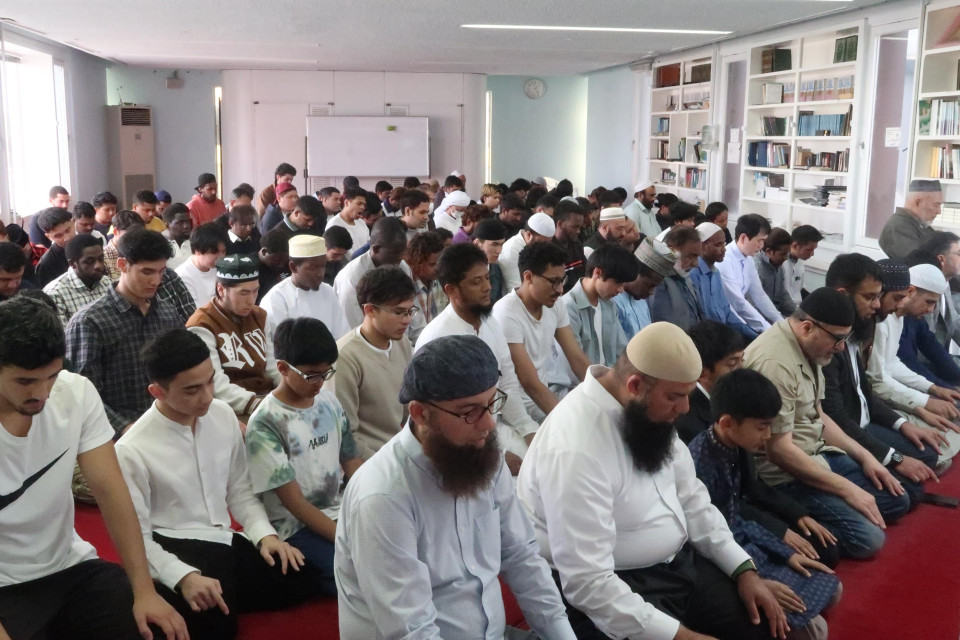
Beppu Muslim Association in Oita (photo credit: Kyodo)
The scarcity of burial plots causes anxiety for Muslims planning to settle permanently in Japan. Miyagi Prefecture Governor Murai Yoshihiro recently expressed his intent to explore building a new cemetery after a Muslim resident explained the difficulties his family faces due to this lack of burial options. Miyagi Prefecture has partnered with Indonesia to recruit workers, highlighting the growing need to address the burial issue.
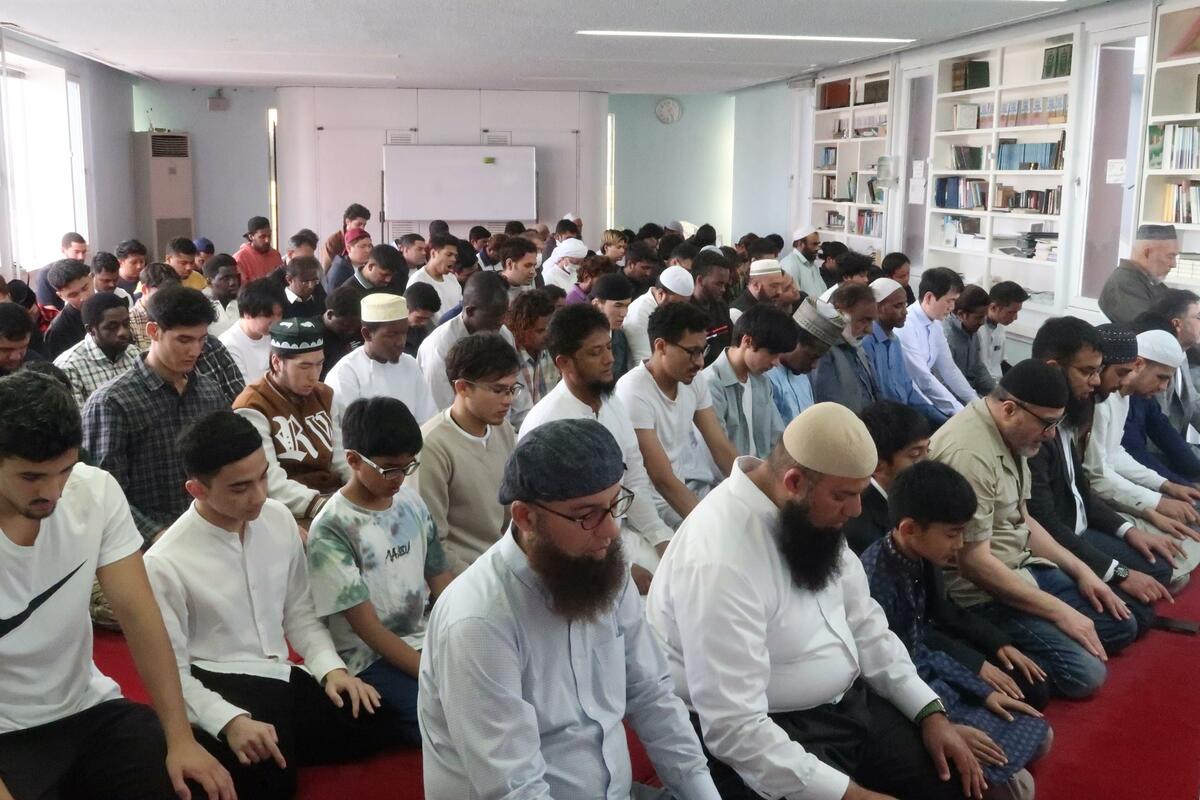
 english.kyodonews.net
The issue made it into the mainstream media in 2022:
The South China Morning Post worries about a wave of social media hostility thwarting the Muslim community in Japan. I hope they are equally concerned about the fate of the Uyghur population in China.

 www.scmp.com
Beppu Muslim Association in Oita (photo credit: Kyodo)
The scarcity of burial plots causes anxiety for Muslims planning to settle permanently in Japan. Miyagi Prefecture Governor Murai Yoshihiro recently expressed his intent to explore building a new cemetery after a Muslim resident explained the difficulties his family faces due to this lack of burial options. Miyagi Prefecture has partnered with Indonesia to recruit workers, highlighting the growing need to address the burial issue.
Indonesia has the largest Muslim population in the world. The Quran, the holy book of Islam, says that Muslims must be buried and are resurrected after death. Cremation is strictly forbidden among practitioners of the faith. [...] Elsewhere, a construction project for a large burial cemetery promoted by the Beppu Muslim Association, a religious corporation in Hiji, Oita Prefecture, in southwestern Japan, has been put off indefinitely due to opposition from the town's mayor. [...] The apparent smooth progress of the plan was in contrast with the opposition aroused in 2018 by a plan to buy a different plot. That had triggered rumours about alleged harm, including the impact on groundwater quality.
FEATURE: Growing Muslim population in need of burial plots in Japan
With an increasing number of Muslims living in Japan, there has been a growing demand for burial plots to conform with their religious beliefs in a country where cremation is the norm.
The issue made it into the mainstream media in 2022:
The South China Morning Post worries about a wave of social media hostility thwarting the Muslim community in Japan. I hope they are equally concerned about the fate of the Uyghur population in China.
In Japan, a Muslim community’s wish to bury its dead stirs wave of hostility
Misleading reports and social media attacks have sought to block plans for a Muslim cemetery in the town of Hiji in southern Japan.
www.scmp.com


