


- 14 Mar 2002
- 21,053
- 18,908
A new plant-based alternative to tuna is set to arrive in Japan next year, offering a cheaper option at a time when supplies of fresh seafood are dwindling. Mitsui DM Sugar will release a product called Osakana Kakumei—literally "Fish Revolution"—which mimics the taste and feel of maguro tuna. Developed with technology from its subsidiary Taisho Technos, a company known for its expertise in food additives, the product is designed to resemble and handle much like the real fish.
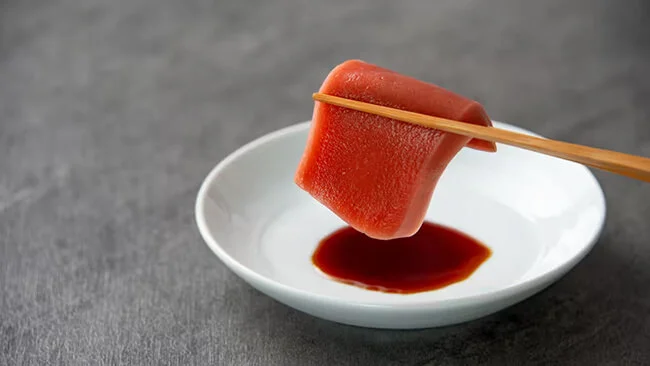
Photo credit: Mitsui DM Sugar
The substitute will cost a little over 2,000 yen (about $13) per kilogram, considerably less than the average wholesale price of tuna at Tokyo's Toyosu market, which stood at 3,262 yen per kilogram in August. Made from konjac yam, seaweed, and bamboo fibres, Osakana Kakumei has a texture similar to raw tuna and contains approximately six grams of fibre per 100 grams. It can be served as sashimi or used in other dishes, and production is projected to reach 10 metric tons annually by 2028.
Paywall alert:

 asia.nikkei.com
Photo credit: Mitsui DM Sugar
The substitute will cost a little over 2,000 yen (about $13) per kilogram, considerably less than the average wholesale price of tuna at Tokyo's Toyosu market, which stood at 3,262 yen per kilogram in August. Made from konjac yam, seaweed, and bamboo fibres, Osakana Kakumei has a texture similar to raw tuna and contains approximately six grams of fibre per 100 grams. It can be served as sashimi or used in other dishes, and production is projected to reach 10 metric tons annually by 2028.
Japan's fishing industry faces difficulties from rising sea temperatures amid global warming and a decrease in the number of fishers. The fishing and aquaculture industries produced 3.63 million tons of seafood in 2024, Japan's Ministry of Agriculture, Forestry and Fisheries reports, down 20% from 2014. There were 123,100 fishers in 2022, a 30% decrease from 2013. Other Japanese companies such as Azuma Foods and NH Foods sell sashimi made from konjac flour, but the steep price hampers widespread adoption. Azuma's product costs 990 yen for 230 grams. Low production volumes tend to mean higher prices for plant-based meat and fish alternatives. Investments in alternative food products peaked in 2021, declining ever since, global venture capital firm AgFunder reports. Mitsui DM Sugar differentiates its maguro by marketing it as a substitute for people who cannot eat sashimi.
Paywall alert:
Japan's plant-based tuna to debut as low-cost sashimi alternative
Mitsui DM Sugar to launch brand next year as Japanese seafood production drops
asia.nikkei.com


