


- 14 Mar 2002
- 21,054
- 18,910
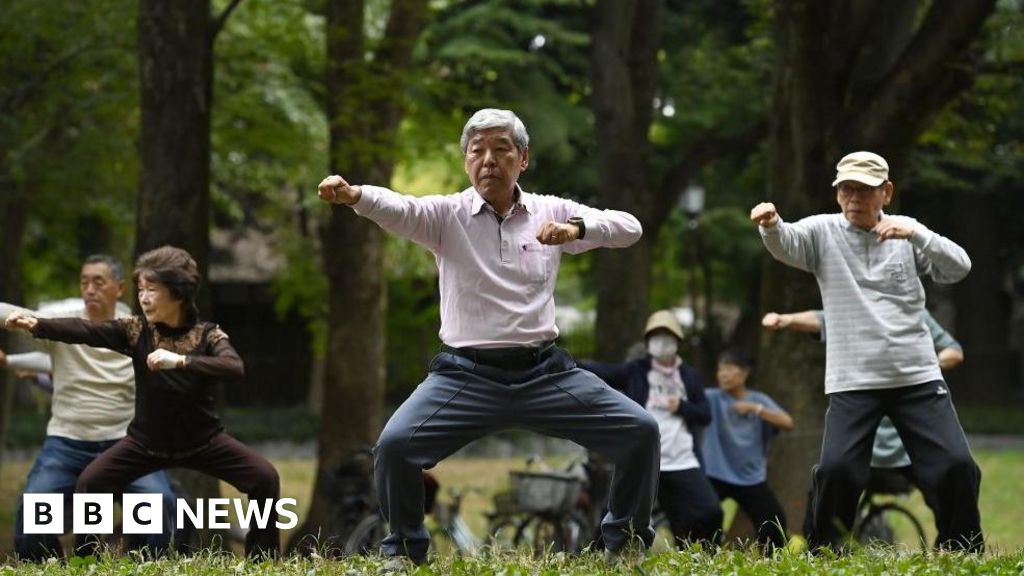
Japan's count of centenarians has reached a new peak of nearly 100,000 people, according to government figures released on Friday. The health ministry reported 99,763 people aged 100 or older as of September, marking the 55th consecutive year of growth. Women make up 88% of this group.
The country boasts the world's highest life expectancy and frequently produces the globe's oldest living person. However, some researchers question how centenarian numbers are tracked internationally. Japan is also ageing rapidly - whilst people tend to eat well and live long, the birth rate remains stubbornly low.
Back in the 1960s, Japan had fewer centenarians per capita than any other G7 nation - quite a turnaround from today's situation. When officials first started counting in 1963, they found just 153 people over 100. The numbers climbed steadily: 1,000 by 1981, then 10,000 by 1998. Much of this longevity comes down to fewer deaths from heart disease and cancers like breast and prostate cancer. Japan's low obesity rates play a big part here, largely thanks to traditional diets that favour fish and vegetables over red meat. Women in Japan are particularly lean compared to those in other countries, which may help explain why they significantly outlive Japanese men.
 www.bbc.com
The country boasts the world's highest life expectancy and frequently produces the globe's oldest living person. However, some researchers question how centenarian numbers are tracked internationally. Japan is also ageing rapidly - whilst people tend to eat well and live long, the birth rate remains stubbornly low.
The oldest person in Japan is 114-year-old Shigeko Kagawa, a woman from Yamatokoriyama, a suburb of the city Nara. Meanwhile, the oldest man is Kiyotaka Mizuno, 111, from the coastal city of Iwata. Health minister Takamaro Fukoka congratulated the 87,784 female and 11,979 male centenarians on their longevity and expressed his "gratitude for their many years of contributions to the development of society". The figures were released ahead of Japan's Elderly Day on 15 September, a national holiday where new centenarians receive a congratulatory letter and silver cup from the prime minister. This year, 52,310 individuals were eligible, the health ministry said.
Back in the 1960s, Japan had fewer centenarians per capita than any other G7 nation - quite a turnaround from today's situation. When officials first started counting in 1963, they found just 153 people over 100. The numbers climbed steadily: 1,000 by 1981, then 10,000 by 1998. Much of this longevity comes down to fewer deaths from heart disease and cancers like breast and prostate cancer. Japan's low obesity rates play a big part here, largely thanks to traditional diets that favour fish and vegetables over red meat. Women in Japan are particularly lean compared to those in other countries, which may help explain why they significantly outlive Japanese men.
Japan sets new record with nearly 100,000 people aged over 100
The number of Japanese centenarians rose to 99,763 in September, with women making up 88% of the total.
www.bbc.com


