


- 14 Mar 2002
- 21,050
- 18,903
While the country is still struggling to cope with skyrocketing domestic rice prices, the Japanese government plans to increase rice exports sevenfold within the next five years.

 www3.nhk.or.jp
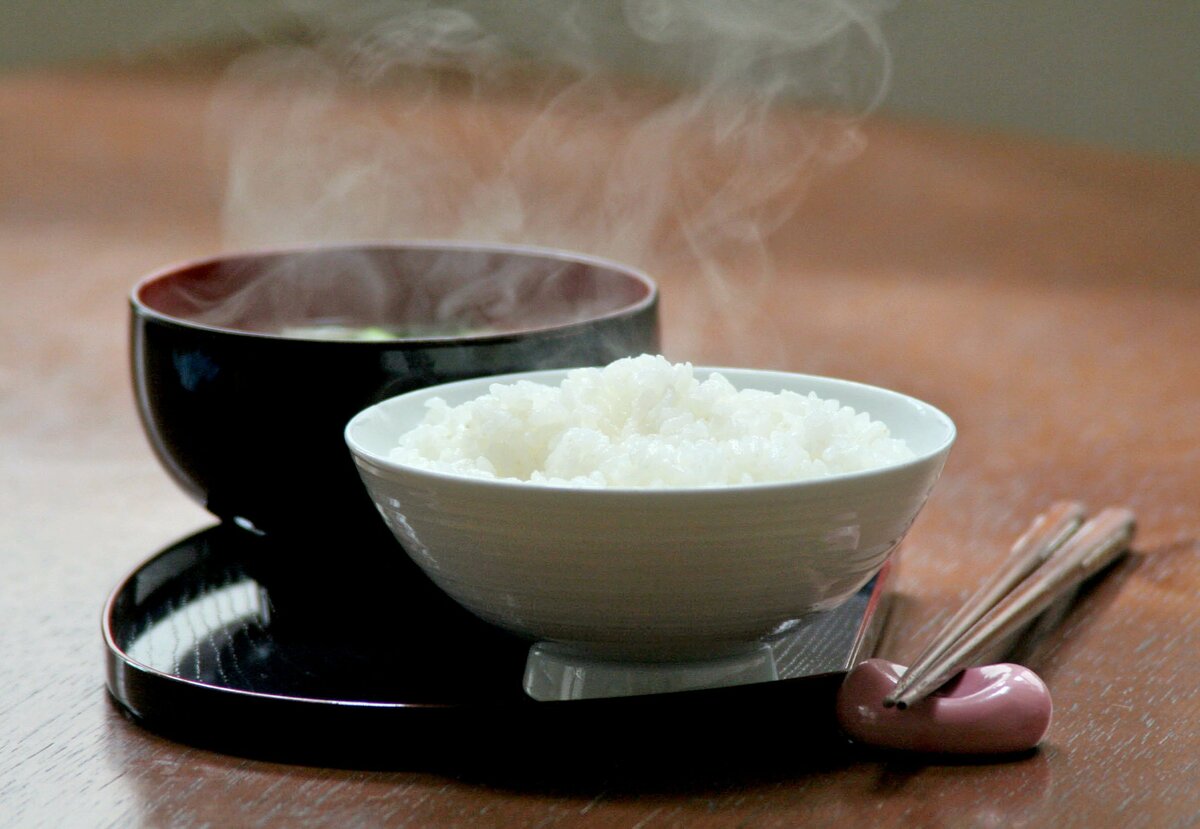
 english.kyodonews.net
Sources familiar with the matter said the government will set a goal of increasing rice exports, including packaged precooked rice, to 350,000 tons by 2030. The goal would be more than seven times last year's figure of over 46,000 tons. The sources said the government will also set a target export value of 92.2 billion yen, or about 620 million dollars. That's nearly seven times last year's sum. To reach those goals, the government plans to work on integrating farmland to lower production costs and increase the planting of high-yield varieties. Tokyo also plans to expand production of organic rice, which is in high demand overseas.
Japan to aim at raising rice exports 7-fold by 2030 | NHK WORLD-JAPAN News
The Japanese government aims to raise rice exports sevenfold by 2030 from last year's amount.
www3.nhk.or.jp
The draft of the basic plan, revised roughly every five years, highlighted the need to enhance productivity in addition to expanding exports, noting that geopolitical risks and a decline in domestic farmers have destabilized food production and supply in the country. The government aims to increase the total value of agricultural and food exports from 1.5 trillion yen in 2024 to 5 trillion yen in 2030, while boosting food-related spending by inbound tourists from 1.6 trillion yen to 4.5 trillion yen. For rice production, the plan presented to the Liberal Democratic Party gathering aims to increase the number of farmers managing fields of 15 hectares or larger and reduce production costs from 11,350 yen to 9,500 yen per 60 kilograms to compete with cheaper imports.
Japan aims to increase rice exports 8-fold to 350,000 tons in 2030
The Japanese government plans to increase the country's rice exports by nearly eight-fold to 350,000 tons, worth 92.2 billion yen ($623 million), in 2030 from 2024, according to a policy presented to a ruling party meeting Wednesday.


