


- 14 Mar 2002
- 21,050
- 18,902
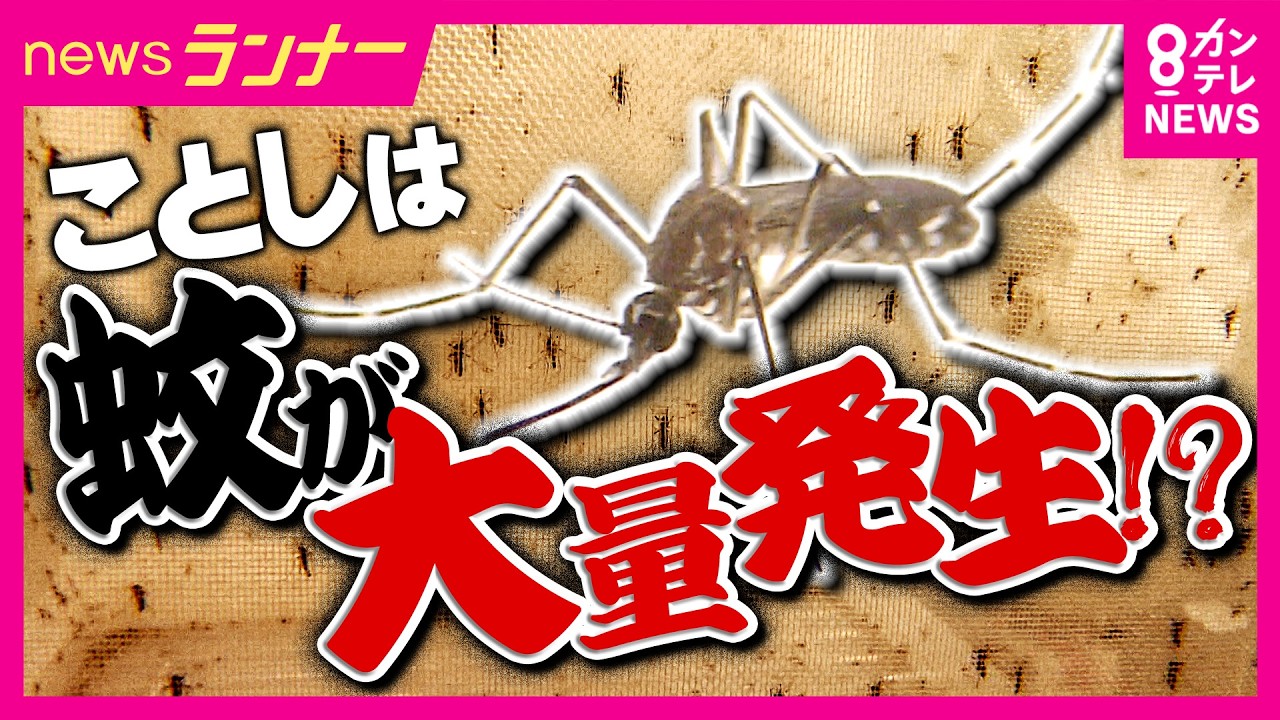
Mosquitoes are appearing earlier than usual this year, prompting concerns that Japan could face a particularly severe mosquito season over the summer. Experts point to weather conditions as the main reason. Unusually warm temperatures in May sped up mosquito development, while frequent light rain created ideal breeding conditions. At the same time, the absence of heavy downpours meant puddles and other small pools of standing water remained undisturbed long enough for larvae to mature. Because many of them were not washed away, mosquito numbers could increase sharply in the weeks ahead.
During an inspection of a residential property, a pest-control operator found mosquito larvae wriggling in stagnant water around the home. The operator noted that even a small amount of water collected in a plastic bottle cap can serve as a breeding site. Female mosquitoes typically lay between 50 and 300 eggs at a time, and under favourable conditions the insects can reach adulthood in as little as 10 days.
The problem is not confined to detached houses. Apartment balconies, drainage outlets, and other places where water collects can also become breeding grounds if water stagnates. Mosquitoes emerging on lower floors may then move upwards and continue breeding elsewhere, meaning they can be found even on the 10th or 15th floor of a high-rise building.
During an inspection of a residential property, a pest-control operator found mosquito larvae wriggling in stagnant water around the home. The operator noted that even a small amount of water collected in a plastic bottle cap can serve as a breeding site. Female mosquitoes typically lay between 50 and 300 eggs at a time, and under favourable conditions the insects can reach adulthood in as little as 10 days.
The problem is not confined to detached houses. Apartment balconies, drainage outlets, and other places where water collects can also become breeding grounds if water stagnates. Mosquitoes emerging on lower floors may then move upwards and continue breeding elsewhere, meaning they can be found even on the 10th or 15th floor of a high-rise building.
According to Earth Corporation, known for its Earth No Mat mosquito repellent products, both male and female mosquitoes usually feed on nectar and other sources of sugar. Only females suck blood, because they need protein to lay eggs. When they bite, they inject saliva to prevent the person from feeling pain, and the resulting allergic reaction causes itching. A mosquito's lifespan is about one month, during which a female repeatedly sucks blood and lays eggs. That means bites are not only irritating but also help mosquitoes reproduce. People who are more likely to be targeted include those with higher body temperatures, those who smell of sweat, and those wearing black or dark-colored clothing. Children, pregnant women, people who have consumed alcohol, and people wearing clothing or using fabric softeners with floral scents may also attract mosquitoes.
Risk Of Major Mosquito Outbreak This Summer
Mosquitoes are appearing earlier than usual this year, raising fears of a major summer outbreak as experts warn that warm May weather and repeated light rain have created ideal breeding conditions across residential areas.
newsonjapan.com


