


- 14 Mar 2002
- 21,050
- 18,903
A recent study by the Japanese Environment Ministry revealed a significant decline in butterfly and bird populations across the country between 2005 and 2022. This decline is strongly linked to rising temperatures, especially in human-dominated areas. Over 30% of common butterfly species experienced rapid population decreases, some even qualifying for endangered species status. The study also highlighted the decline of bird species, particularly those inhabiting agricultural and open areas. Experts warn that this alarming trend is due to various factors, including climate change, invasive species, and pesticide use. To protect biodiversity, it's crucial to improve the environment in urban and rural areas by creating diverse habitats for wildlife.
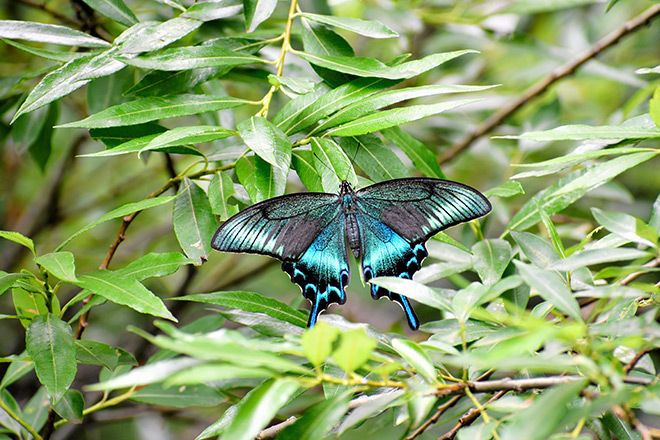
Papilio maackii (photo credit: Nature Conservation Society of Japan)
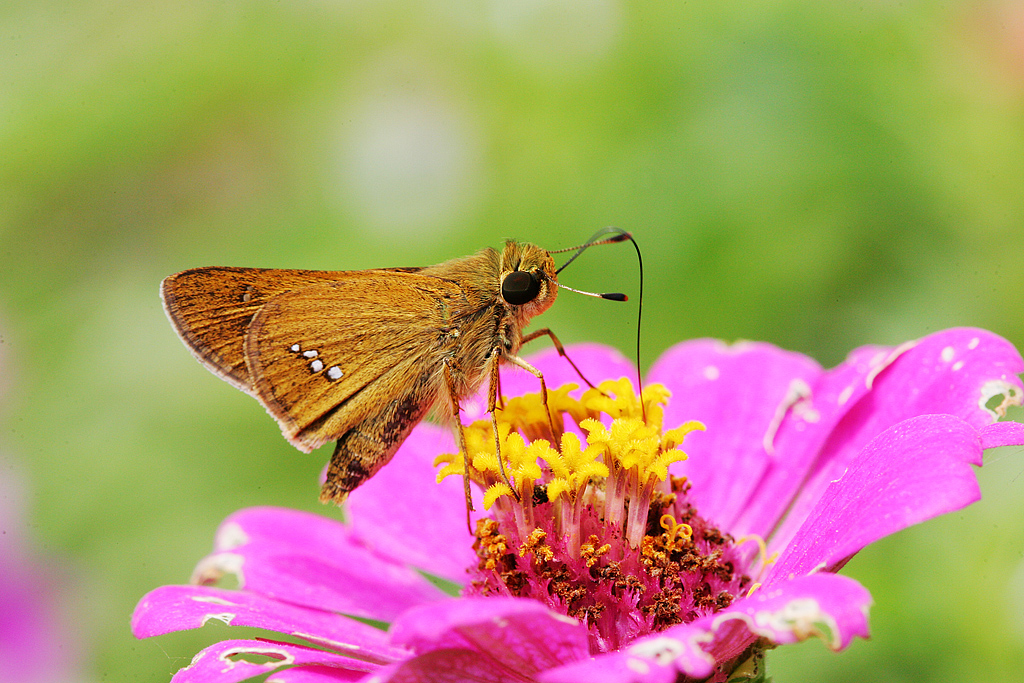
Parnara guttata
Papilio maackii (photo credit: Nature Conservation Society of Japan)
Parnara guttata
The annual decrease rate reached 20 per cent for both the "restricted demon" and Celastrina sunitinib. That percentage is high enough for listing in the Endangered Class IA category, which comprises animals with an extremely high likelihood of going extinct in the wild very shortly. Another butterfly variant, Parnara guttata, underwent an annual population decline of 6.9 percent. It used to be spotted readily across Japan. Minoru Ishii, an insect ecologist specialising in butterflies and serving as chairman of Osaka Prefecture's Research Institute of Environment, Agriculture and Fisheries, warned about the results. "Insects are declining due to a range of factors, such as invasive alien species and agricultural chemicals," Ishii said. "Japan's natural environment will be ruined unless steps are taken to improve the conditions of human settlements and peripheral mountain zones to provide diverse habitats for wildlife." Bird numbers similarly plummeted. The populations of 16 bird varieties, including the azure-winged magpie and the Asian house martin, fell by 3.5 per cent or more annually.


