


- 14 Mar 2002
- 21,050
- 18,903
Japan's National Institute for Quantum Science and Technology (QST) plans to begin building a prototype nuclear fusion reactor in the late 2020s, with completion targeted for 2038. The plan sets out a timeline that could speed up work on fusion power generation. Nuclear fusion, the process that powers the Sun, occurs when atomic nuclei combine. It can release large amounts of energy. One gram of fusion fuel is often compared to about 8 tonnes of petroleum in terms of energy output. The process does not produce carbon dioxide or high-level radioactive waste.
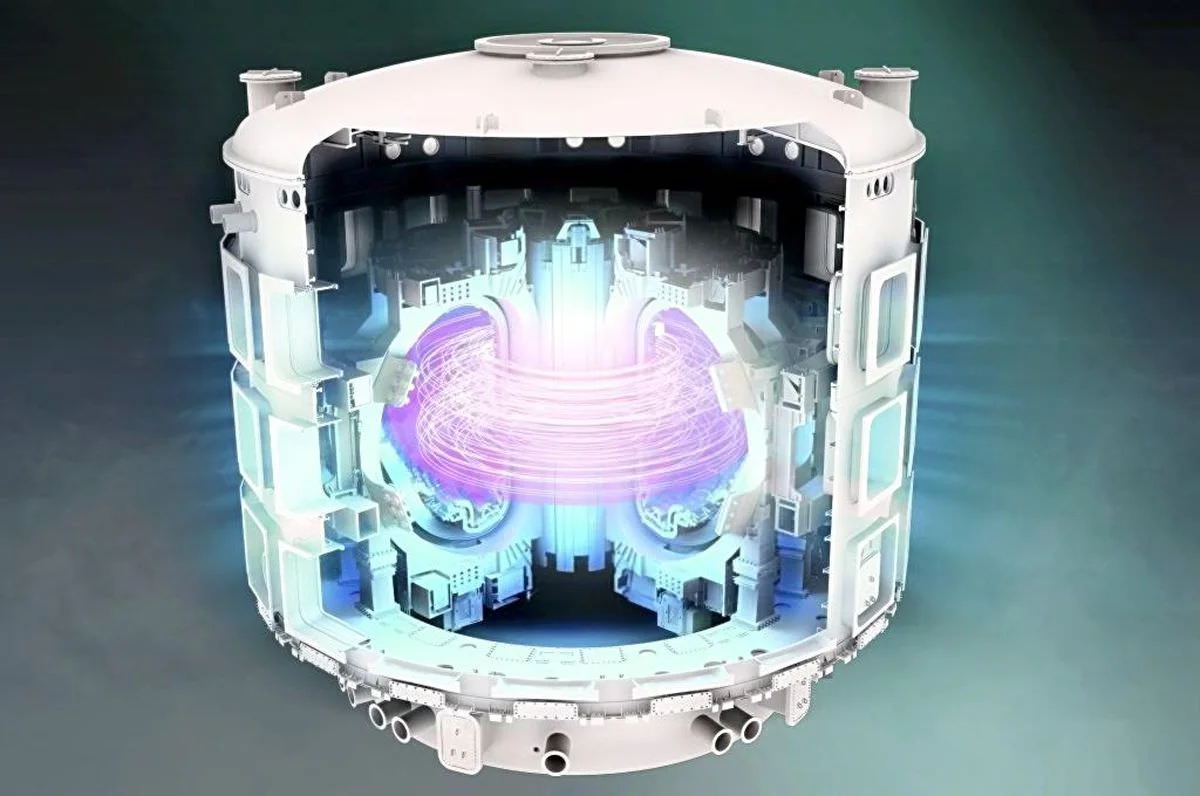
The government's goal is to test fusion power generation in the 2030s. When it is built, the prototype reactor will measure about 30 meters in both diameter and height, the same size as the International Thermonuclear Experimental Reactor (ITER), which Japan, the United States, Europe and others are currently constructing in France. Under the QST's initial plan, a reactor was designed to be 1.4 times the size of the ITER and scheduled to be commercialized around the 2050s. However, it has been downsized to bring the timeline forward. There are three phases in the development of the prototype reactor: testing power generation integrating the fusion reactor and power generation facilities; testing technology to breed tritium — the fuel — in the reactor; and testing the reactor's stable operations. One year after completing the prototype, the QST aims to successfully generate power for several minutes, with a net output of about 10,000 kilowatts. It then aims to increase that output to about 100,000 kilowatts when the reactor reaches stable operations.
Link:
National Institutes for Quantum Science and Technology
The official website of the National Institutes for Quantum Science and Technology.
- JREF
- Views: 199
- Category: Institutions


