News Japan's rice inventory hits record low

thomas

Unswerving cyclist
Admin
Joined
14 Mar 2002
Messages
21,050
Reaction score
18,903
The farm ministry reported a 20% decline in private-sector rice inventory to 1.56 million tons in June, the lowest since record-keeping began in 1999. A combination of soaring tourism, last year's heat-damaged crop, and continued high temperatures this summer has exacerbated the shortage. Despite a declining population, domestic rice demand unexpectedly rose 110,000 tons in the first six months of the year, marking a decade-long trend reversal. This surge is partly attributed to rice prices increasing slower than bread or noodles.
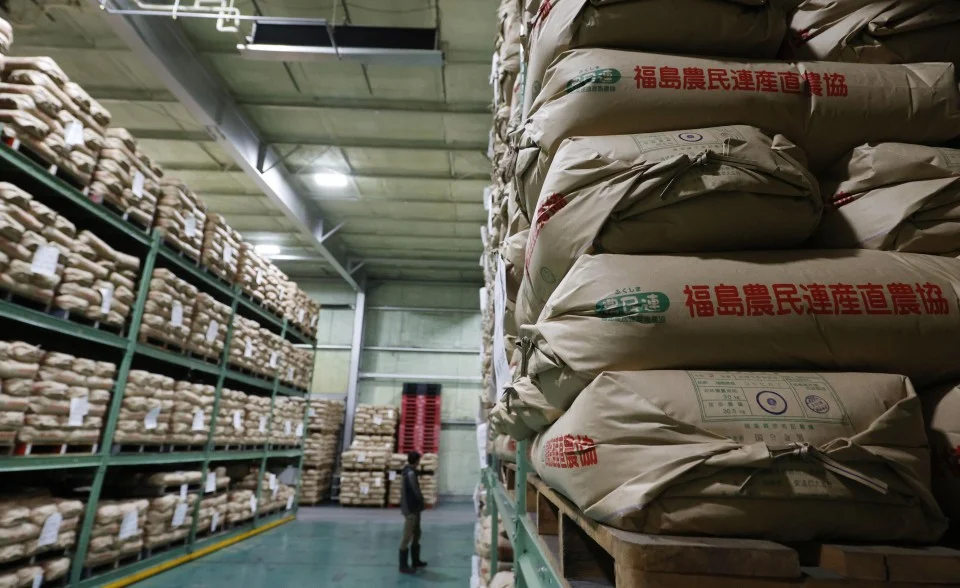
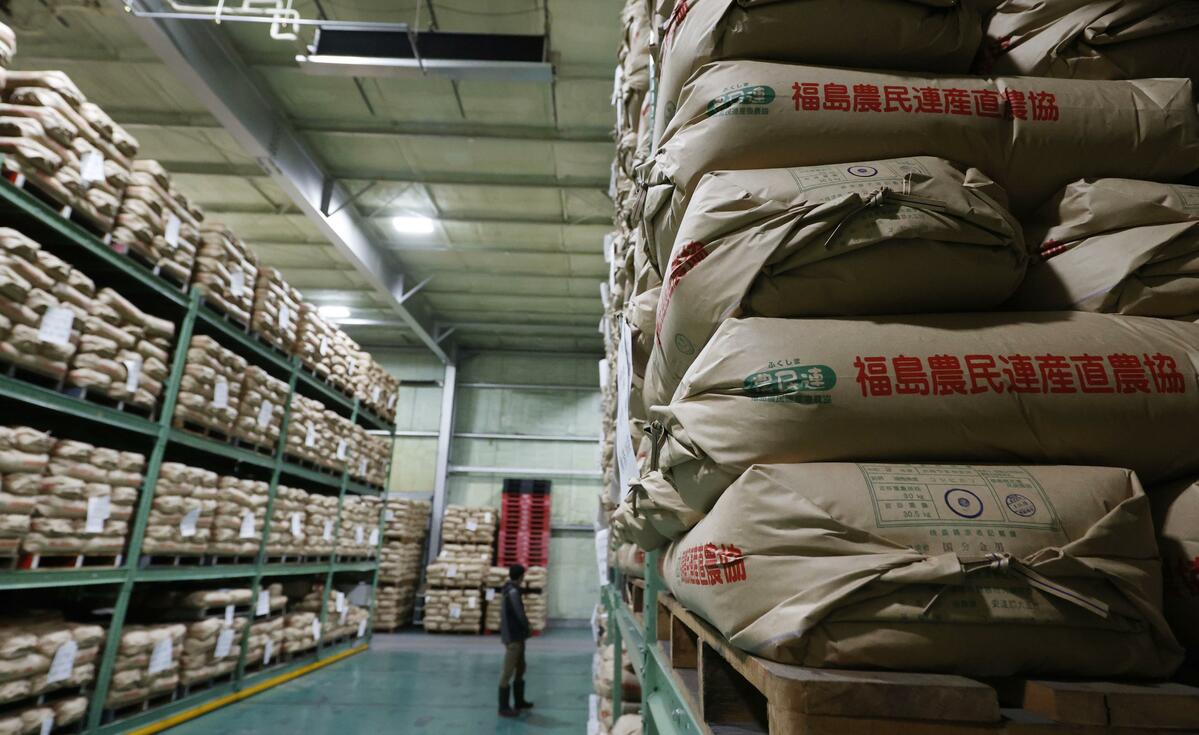
Japan's rice inventory


Japan has seen an influx of tourists with the removal of COVID-19 travel restrictions and a weak yen, and eating Japanese food was a top priority for them, according to a 2023 report on foreign visitors to Japan by the Japan Tourism Agency. For the rice produced in 2023, the average price when producer cooperatives sold it to wholesalers climbed to 15,865 yen ($102) per 60 kilograms in June, the highest in about 11 years. The ministry insisted, however, that the supply-demand balance is "not in a crunch," saying that the distribution of rice produced in 2024 has not yet fully ramped up. The government projects that rice inventory will dip to 1.52 million tons by June next year, and domestic demand will decrease to 6.73 million tons through the same month.


Does anyone remember the year of the big shortage? I'd like to say '93-'94 but not sure. Japan had to import rice.

The article above says they started keeping track in 1999, but with that earlier shortage I would have expected it to be from then, not five years later.
 
The farm ministry reported a 20% decline in private-sector rice inventory to 1.56 million tons in June, the lowest since record-keeping began in 1999. A combination of soaring tourism, last year's heat-damaged crop, and continued high temperatures this summer has exacerbated the shortage. Despite a declining population, domestic rice demand unexpectedly rose 110,000 tons in the first six months of the year, marking a decade-long trend reversal. This surge is partly attributed to rice prices increasing slower than bread or noodles.





I'm sceptical about tourists being a major factor. The number of tourists per year is about 30 million, a quarter of Japan's population. If tourists stay on average two weeks (4% of the year), then the extra annual demand, assuming that tourists eat as much rice as Japanese people, would be about 1%.
 
Last edited:
Because a rice farmhouse ages as for amount of production of rice decreasing year by year, and there is not a successor, this is because the cultivation abandonment ground increased.
It means that at last I made good results through the policy as the country performed a reduction of the acreage under cultivation policy from the 1970s.
Congratulations Japanese Government.

The nightmare 26 years before "a rice riot of the Heisei" again.

I continue decreasing from about 4.66 million houses of 1970, and the number of paddy-rice crop farmhouses decreases to 70% in about 700,000 houses and about 50 years in 2020. The amount of production of rice was 12.53 million tons in 1970, too, but decreases 40% or more in 7.76 million tons and about 50 years in 2020

About a source
National Federation of Agricultural Cooperative Associations
Agriculture
National Federation of Agricultural Cooperative Associations is the alliance organization such as an agricultural cooperative of the all over Japan, economic association of agricultural cooperative society, the alliance society of the specified agricultural cooperative. The abbreviation "ZEN-NOH " "JA ZEN-NOH"
 
Perhaps they should start giving incentives to people who wish to take up or continue relatives' rice farms - we do it in Europe, too, where farmers get funding from the European Agricultural Guarantee Fund (EAGF) to ensure a continuous stream of food being produced for Europe - even when it isn't perfectly profitable to the farmer.
 
Back
Top Bottom