


- 14 Mar 2002
- 21,050
- 18,904
Changes are beginning to appear within PTAs across Japan, as more dual-income households struggle to participate in the school activities that parent groups have traditionally relied on. As working patterns and family lifestyles have shifted in recent years, some parents say it has become difficult to manage duties once considered routine. These include standing along school routes with safety flags, helping organise events, and other volunteer activities tied to school life.
Opinions among parents appear divided. Some people interviewed on the street said they still wanted to be involved. One parent said they enjoyed helping with events and would like to participate. Another said they would actively take part because they cared deeply about their child.
Others questioned whether the PTA system still fits modern society. One person noted that when they were young, it was common for mothers to stay at home, but now most households have both parents working. They wondered how people were expected to leave work during the day to attend activities. Another person said times had changed significantly and questioned whether PTAs were still necessary in their current form.
Opinions among parents appear divided. Some people interviewed on the street said they still wanted to be involved. One parent said they enjoyed helping with events and would like to participate. Another said they would actively take part because they cared deeply about their child.
Others questioned whether the PTA system still fits modern society. One person noted that when they were young, it was common for mothers to stay at home, but now most households have both parents working. They wondered how people were expected to leave work during the day to attend activities. Another person said times had changed significantly and questioned whether PTAs were still necessary in their current form.
The decline in PTA participation is spreading across Japan, prompting schools and parents to experiment with new approaches better suited to modern life.
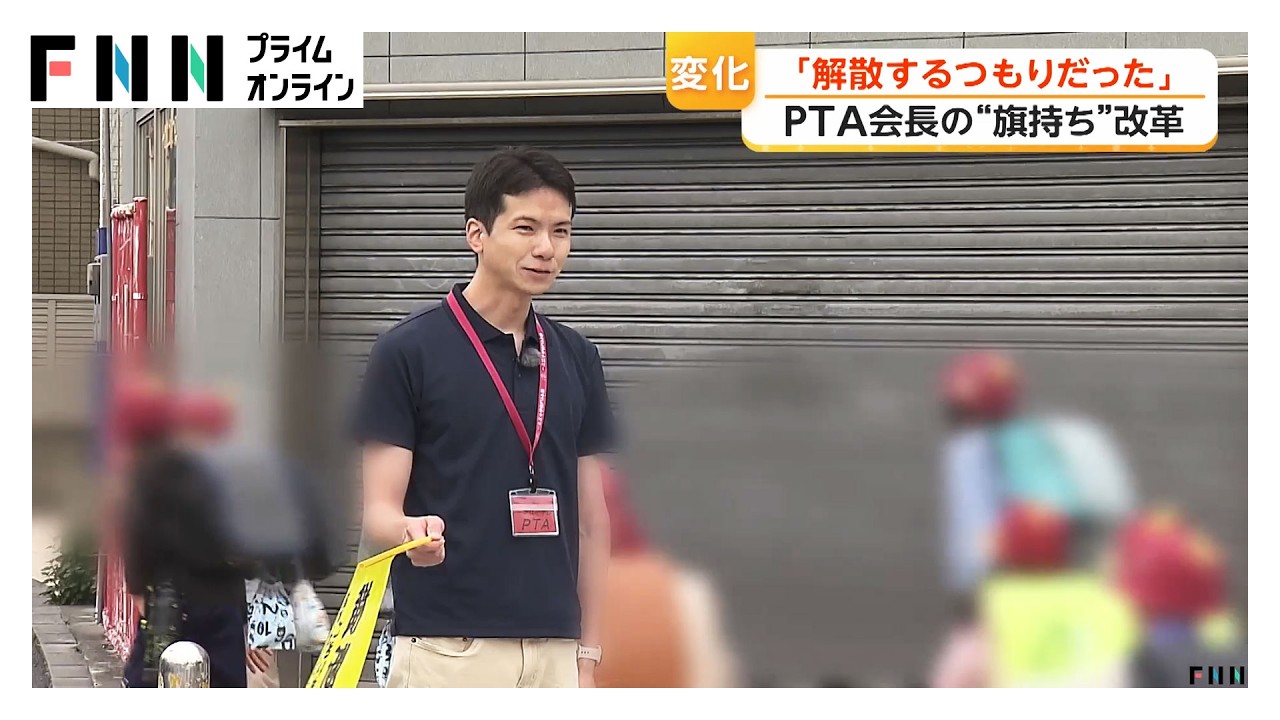
What emerged from the reporting was a growing movement among parents to reform PTAs by creating more flexible and manageable systems. Urabe, who joined the PTA four years ago, said participation in safety flag duty had previously been mandatory, with schedules decided by PTA executives. As a result, some parents failed to appear on assigned days, while others lodged complaints. Against this backdrop, Urabe became PTA chairman in 2025. Although he had originally considered dissolving the PTA entirely to reduce the burden on parents, his perspective changed after taking the position. "I actually joined thinking I would disband the PTA," Urabe said. "But once I got involved, I realised PTAs do many good things. If we change how they operate, they can become highly beneficial. We shifted to a more flexible approach where everyone contributes when they can." The previously mandatory flag duty was changed to a voluntary system. Drawing on his experience as a systems engineer, Urabe also developed a web application himself. The app displays locations lacking volunteers as "empty," while filled positions are marked with a circle. Parents who wish to participate can choose dates and locations that fit their schedules.
Why PTA Participation is Rapidly Declining in Japan
Changes are emerging within PTAs that support children
newsonjapan.com


