I took the bait and clicked on Jake's article. The nearly three-decade story of Japan's continuing unwinding of the excesses of the late 1980's and very early 1990s is one that deserves a lot of attention, as we can see something of those excesses in the US and elswhere. I am thinking of the white-hot real-estate markets. Young people are virtually excluded from home ownership unless they have family money supplementing their savings. I'm also thinking of Japan's ultra-low inflation environment, and the long-term effects it is having. We can see the US getting into the same trap: people can only afford a super-expensive house if the interest rate is extremely low, and any increase in that rate will cause real pain in many households, and will likely trigger a sell-off, which will cause havoc with local tax revenues, etc.... I'm also thinking of the effects of population decline and an increasingly aging population, and how Japan has an opportunity/challenge to provide solutions that they can then export to other aging economies.
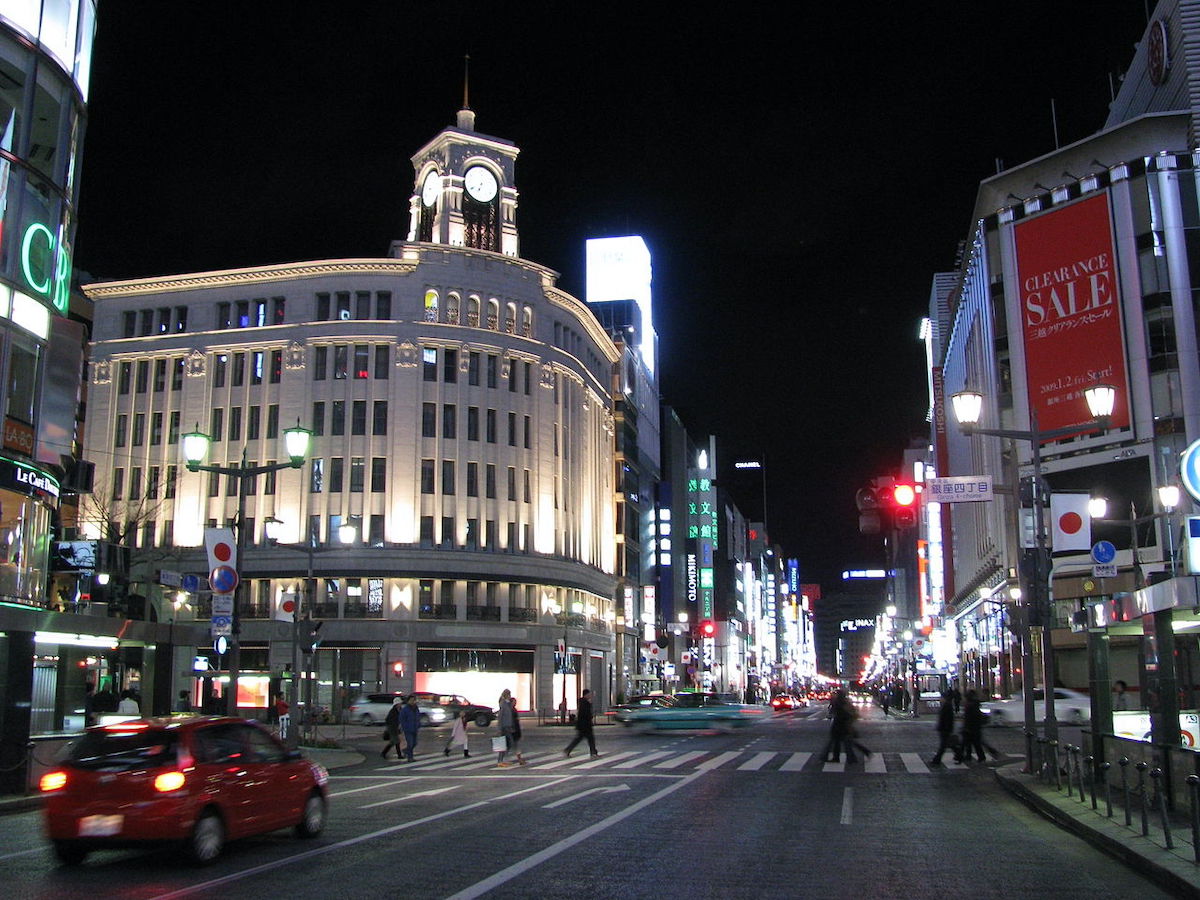
But instead we get the rising sun flag at Yasukuni (does this have anything to do with economics?), anime, and the cliche of all cliches: the Japanese suicide rate.
The story of Japan's post-bubble era is a big fat slowball pitch, and Jake misses it completely by returning to Japanese tropes that are his bread-and-butter.
Japan's "non-regular" employment force has parallels to "at-will" employment in the US, albeit with a bit more stability or predictability than the US. The biggest difference is: non-regular employees in Japan have access to the national health care system. The national health service provides a massive safety net for families in Japan, that simply doesn't exist in the US. "Non-regular" employment is also an avenue for people into the regular workforce: non-regular employees who are employed for three consecutive years must be offered full-time positions (or, if not, they will be considered to be full-time employees by the government, and so they are de-facto full-time employees). Non-regular employees are also free of many of the obligations that full-time workers find so stifling: the unwritten obligations to stay late and come in early, for example. Reducing the argument down to a question of wages paints a very stilted picture.
Then there is his argument about single mothers - which I don't follow. He notes that 87.7% of single mothers are employed, but then uses this as evidence that they "work harder" than single mothers elsewhere. Would he prefer that the employment rate for single mothers were lower? Is he saying that they should not work at all? Then he plays a shell game about suicide and single-motherism, where he throws out the statistic that 70% of of underpaid "non-regular" employees are women, without bothering to investigate how many of those 70% are simply women who wish to work part-time to augment the family's income (while keeping enough free time to allow them to take care of the kids, paint, jog, work out, relax, etc...).
The digression into the suicide rate is just too silly to spend too much time on, but it is a well-trodden path that some writers find too irresistable.
There is a story in there, but Jake was too lazy to find it. Instead, he gave us anime, Daisō, and the rising sun. I'm surprised he didn't throw in a reference to the sex trade, but I feel that somehow he will yet provide us with this article in the future: "Japan's Deflation Dims Kabukichō's Red Light". I much preferred the article in The Atlantic, which spoke about the experience of single women in Japan without leaning on the big book of Japan cliches. It shows the difference between a real reporter, and one who relies on shtick.
Deflation isn't a problem for consumers, but it is a problem for a nation, particularly one that depends on foreign countries for oil and food. I'm interested to see how the US escapes this trap (if it can). Already inflation is running high in the States, and markets are gearing up for a series of rate hikes next year. The real estate markets are showing signs of cooling (kind of). This is complicated by rising oil costs, a mucked up global supply chain, and of course the pandemic.


 asiatimes.com


