


- 14 Mar 2002
- 21,050
- 18,903
MOS Food Services, the operator of the home-grown hamburger chain MOS Burger, is enjoying a strong recovery. For the financial year ended March 2026, sales topped 100 billion yen for the first time, while both revenue and profit reached record highs. Japan's hamburger market has expanded rapidly in recent years, helped by strong demand for both the major fast-food chains and more upmarket gourmet burgers. Burger King, now the industry's third-largest player, has increased its presence from 77 outlets to 371 over the past seven years, attracting customers with its flame-grilled Whopper and generous portions. Market leader McDonald's Japan also reported record sales of 416.6 billion yen last year.
Ranked second in the market, MOS Burger has benefited from the same boom. Its restaurants remain busy, particularly at lunchtime. Customers say they keep coming back because the burgers have a handmade feel, contain plenty of fresh vegetables and are seen as a healthier alternative to many other fast-food options.
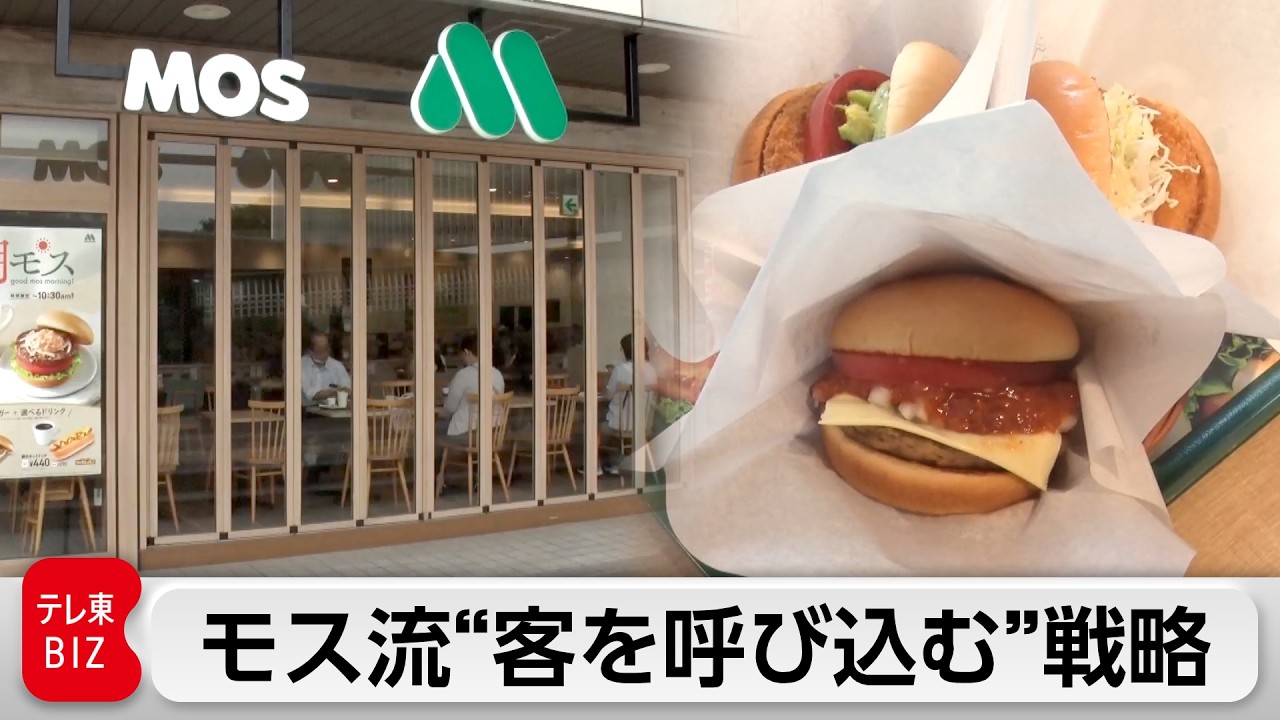
Ranked second in the market, MOS Burger has benefited from the same boom. Its restaurants remain busy, particularly at lunchtime. Customers say they keep coming back because the burgers have a handmade feel, contain plenty of fresh vegetables and are seen as a healthier alternative to many other fast-food options.
The company's resurgence marks a sharp turnaround from the early 2000s, when it struggled during Japan's deflationary period. McDonald's pushed a low-price strategy at the time, cutting the price of its hamburger to as low as 59 yen, while Mos refused to join the discounting race. That decision left Mos with an image of being relatively expensive and contributed to weak earnings. In 2004, a Big Mac cost 260 yen, while the standard Mos Burger was priced at 300 yen. That price gap has since narrowed and even reversed in some cases as raw material costs rose across the industry. A Big Mac has climbed above 500 yen, while Mos has also raised prices. Customers now say McDonald's feels more expensive than before, making Mos seem less like an unusually high-priced option. Price, however, is only one reason behind Mos Burger's recent strength. Under President Eisuke Nakamura, who took office in 2016, the company has pushed an aggressive strategy aimed at increasing points of contact with customers. Nakamura has introduced a wide range of products, from multiple shrimp burgers released at the same time to a 6,000 yen eel rice burger developed through a Japanese restaurant-style approach. One of the company's key strategies is what it calls price gradation, offering products across a broad range of price points from everyday items to small luxuries. In one recent campaign, Mos sold three shrimp-based burgers at different price levels, including its regular shrimp cutlet burger, a limited-time avocado shrimp cutlet burger and the limited-quantity shrimp fry burger priced at 780 yen, featuring two large pieces of fried shrimp.
Mos Burger Wins Customers With Budget and Premium Menus
Mos Food Services, operator of the Japan-born hamburger chain Mos Burger, is riding a strong recovery, with sales surpassing 100 billion yen for the first time in the year ended March 2026 and both revenue and profit reaching record highs.
newsonjapan.com
Link:
Mos Burger
Mos Burger is the second-largest fast-food franchise in Japan after McDonald's Japan.


