


- 14 Mar 2002
- 21,050
- 18,903
Female empowerment in Japan has seen gradual progress, but challenges remain. While more women are entering the workforce and leadership roles, gender equality in opportunities and pay continues to lag behind other developed countries. Change is happening, but slowly.
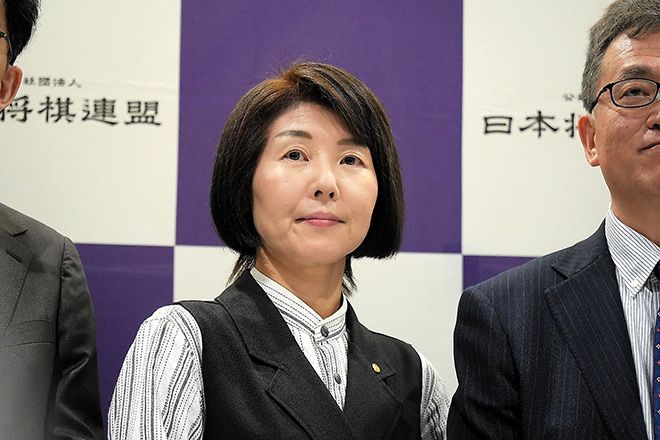
I was glad to learn that the Japan Shogi Association has elected its first female president in 101 years.
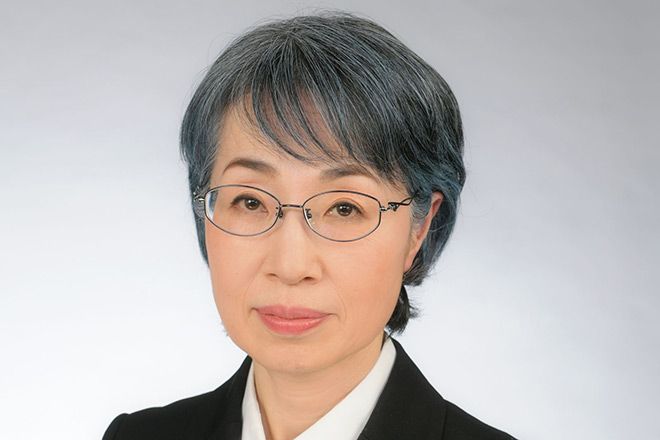
Additionally, the Japanese Supreme Court now has a record four female justices.
I was glad to learn that the Japan Shogi Association has elected its first female president in 101 years.
Ichiyo Shimizu, 56, who holds a 7-dan "joryu kishi" ranking, was named to succeed 54-year-old Yoshiharu Habu, a 9-dan professional, who retired. Shimizu is also an active player who has the distinction of being the first player to hold four joryu crowns simultaneously. This is the first time for a non-kishi to be appointed as president. "This is a big role that is beyond my capacity," Shimizu said at a news conference. "The fact that the shogi association chose me is a challenge. I will do my best." Her term of office is two years. Shimizu was approved for her fifth term as a full-time director at the association's ordinary general meeting, held in Tokyo on 6 June. She was then elected as the new president by a unanimous vote of the board of directors. According to association officials, Habu backed Shimizu as his replacement as president.
Additionally, the Japanese Supreme Court now has a record four female justices.
The government announced the appointment of Masami Okino to the Supreme Court, making her the fourth female justice in the court's history. Okino, 61, dean of the University of Tokyo's Graduate Schools of Law and Politics and dean of the University of Tokyo's Faculty of Law, will succeed Katsuya Uga, 69, a scholar-educated justice who will retire on 20 July. The appointment, which was decided at a June 6 Cabinet meeting, brings the number of women among the 15 Supreme Court justices to four, the largest number ever. Okino is a native of Nara Prefecture and a graduate of the University of Tokyo's Faculty of Law. She specialises in civil law and is a member of the Civil Law Subcommittee of the Legislative Council of the Ministry of Justice. The number of female justices has remained at two or three in recent years. Currently, there are three: Justice Kazumi Okamura, 67, a former administrative officer; Justice Eriko Watanabe, 66, and Justice Mitsuko Miyagawa, 65, both former lawyers.


