


- 14 Mar 2002
- 21,050
- 18,903
The NYT on how hot springs in Japan are being used to generate geothermal energy. With over 28,000 hot springs, geothermal power is a significant source of renewable energy. Japan aims to increase the use of geothermal energy to 1.2 gigawatts by 2030, which is equivalent to the output of a nuclear reactor. One of the main challenges of using hot springs for energy, however, is that they are often located in national parks or areas with environmental restrictions. Some companies are finding ways to generate power without harming the surrounding environment: Renova has developed a technology that pumps hot water from underground and uses it to heat buildings and generate electricity. According to Keiji Miyamoto, a professor at Kyushu University, Japan has the potential to be an energy superpower: the country could use hot springs for the next 100 years, 200 years, or even longer.
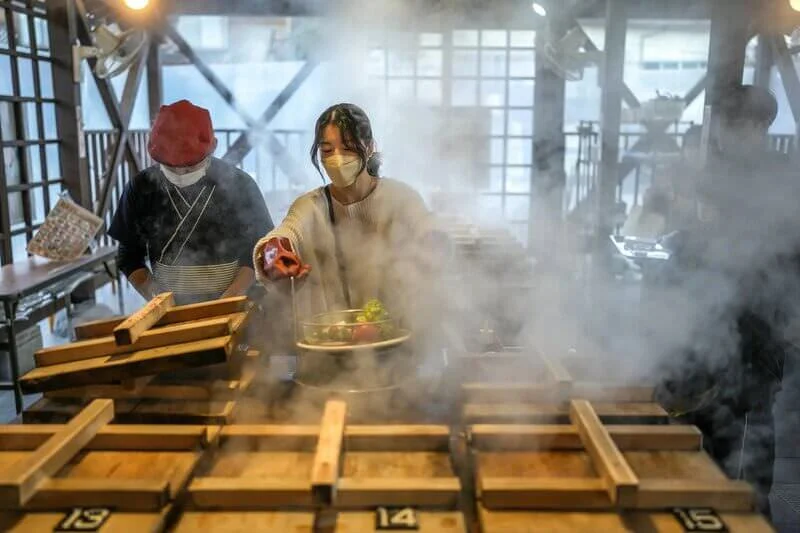
Some Beppu restaurants use geothermal steam for cooking (photo credit: NYT)
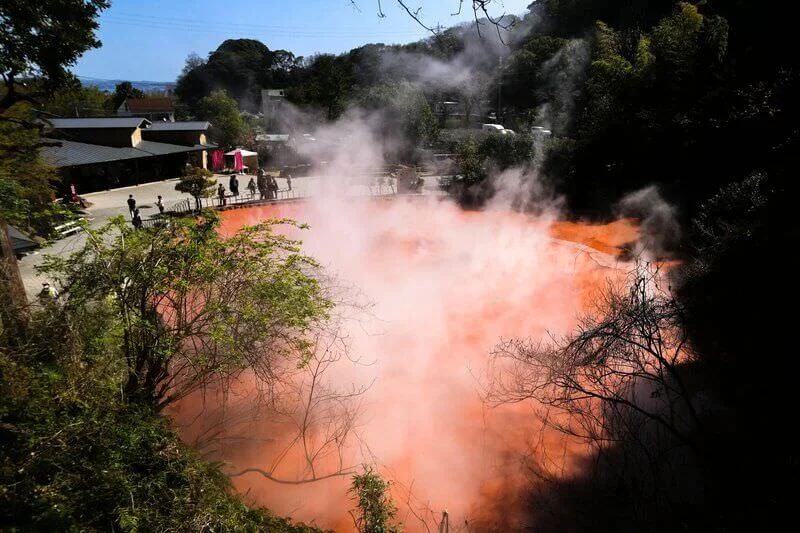
Blood Hell in Beppu (photo credit: NYT)

 www.nytimes.com
Some Beppu restaurants use geothermal steam for cooking (photo credit: NYT)
Hot springs are a small miracle of nature, fed by rainwater that seeps into the rock that is heated by the earth's interior before bubbling up to the surface, a process that takes years, even decades. More than 13,000 onsen inns and baths dot the country. There are strict rules, displayed in numerous languages on posters plastered on onsen walls. No bathing suits. No soapy bodies allowed. And an additional Covid-era requirement, "mokuyoku," or silent bathing — no chatter in the baths. Geothermal power plants, on the other hand, draw on wells drilled deeper in the earth's crust, pumping up steam and hot water to power giant turbines that generate electricity. Developers say that because plants draw from sources deep beneath onsen springs, there is little possibility one will affect the other. Still, the interconnection between hot springs and deeper geothermal heat remains something of a mystery. When hot spring flows change, it's often difficult to pin down a cause.
The Japanese government, which seeks to triple the country's geothermal capacity by 2030, has tried to smooth the way for more projects by opening up geothermal development in national parks and speeding up environmental assessments. If Japan were to develop all of its conventional geothermal resources for electricity production, it could provide about 10 per cent of Japan's electricity, according to the Institute for Sustainable Energy Policies in Tokyo. That would be more electricity than Japan generated from hydropower, solar, wind or nuclear in 2019.
Blood Hell in Beppu (photo credit: NYT)
Geothermal Power, Cheap and Clean, Could Help Run Japan. So Why Doesn’t It? (Published 2023)
For decades, new plants have been blocked by powerful local interests, the owners of hot spring resorts, that say the sites threaten a centuries-old tradition.


