


- 14 Mar 2002
- 21,050
- 18,903
Several Japanese castles whose original wooden structures dated back to the feudal era were destroyed during World War II and later rebuilt using reinforced concrete. Decades later, many of those reconstructions are deteriorating and increasingly vulnerable to earthquakes.
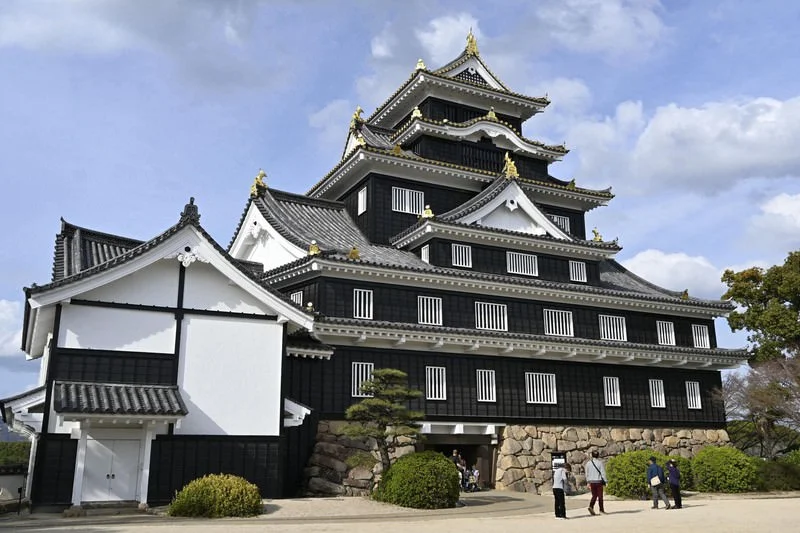
Okayama Castle (photo credit: Kyodo).
Some local governments have already closed castle keeps long regarded as local symbols and tourist attractions. Municipalities are now weighing whether to repair the ageing concrete structures or attempt costly reconstructions using traditional wooden methods, though both options face financial and political obstacles. Hiroshima Castle is one example. Its reconstructed five-storey keep, originally believed to have been built in the late 16th century by the warlord Mōri Terumoto (毛利輝元, 1553–1625), was closed in March because it did not meet modern earthquake-resistance standards. Before the closure, the castle remained a popular landmark for both residents and tourists visiting Hiroshima.

 mainichi.jp
Okayama Castle (photo credit: Kyodo).
Some local governments have already closed castle keeps long regarded as local symbols and tourist attractions. Municipalities are now weighing whether to repair the ageing concrete structures or attempt costly reconstructions using traditional wooden methods, though both options face financial and political obstacles. Hiroshima Castle is one example. Its reconstructed five-storey keep, originally believed to have been built in the late 16th century by the warlord Mōri Terumoto (毛利輝元, 1553–1625), was closed in March because it did not meet modern earthquake-resistance standards. Before the closure, the castle remained a popular landmark for both residents and tourists visiting Hiroshima.
Hiroshima City is currently planning two options: repairing the concrete keep or reconstructing the wooden structure. During discussions involving experts, some argued that a "wood-reconstructed castle could function semi-permanently if it undergoes repairs." But the path to realizing such reconstruction remains uncertain. It would require time and money as the city estimates construction of a wooden keep would not be completed earlier than fiscal 2049, with costs reaching as high as 19.5 billion yen ($123 million).
- Nagoya Castle has kept its concrete main tower closed since 2018. The city plans to demolish the current structure, built in 1959, and rebuild the original 17th-century wooden keep. The project, however, has stalled amid debate over accessibility. Critics have opposed the city's plan not to install elevators inside the reconstructed tower, arguing that the decision would limit access for elderly and disabled visitors. City officials have argued that elevators could damage the historical appearance and internal wooden framework.
- Similar discussions are taking place in Wakayama over the future of Wakayama Castle. Officials are debating whether to renovate the existing concrete keep or rebuild the original wooden structure destroyed in wartime air raids. The current tower, completed in 1958, remains open while additional earthquake-safety measures are being introduced.
- Okayama took a different approach. The city chose to renovate the reinforced concrete keep of Okayama Castle rather than reconstruct it in wood. Major repair work carried out between 2021 and 2022 was followed by a roughly 100,000-visitor increase.
Deteriorating Japan castles face high costs, debates over renovation - The Mainichi
OSAKA (Kyodo) -- Several Japanese castles with wooden structures dating back to the feudal era were destroyed during World War II. Although they were


