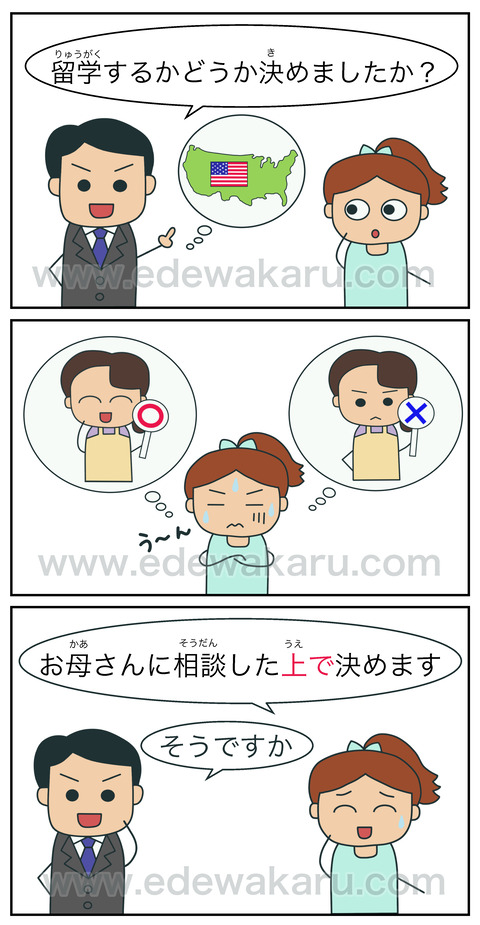
Question としたうえで

zuotengdazuo

Sempai
Joined
8 Dec 2019
Messages
830
Reaction score
19
民事訴訟法の改正案では、現在は書面に限られている裁判所への訴状や準備書面の提出について、オンラインでの手続きを可能にするとしたうえで、弁護士などの代理人には、オンラインでの提出を義務づけるとしています。

Hi. How should I understand the bold としたうえで? Does it mean the same as としたら?
Thank you.
 
Not really. Unlike a conditional clause したら, したうえで means that オンラインでの手続きを可能にする is already decided, and then in addition to that, 弁護士などの代理人には、オンラインでの提出を義務づける.
 
Thank you. So this たうえで means "in addition to", right?

And why is にする and とする used together? Don't they mean the same thing?
 
So this たうえで means "in addition to", right?
Right.

And why is にする and とする used together?
It's because オンラインでの手続きを可能にする is what is written in the reform bill.

オンラインでの手続きを可能にする。
弁護士などの代理人には、オンラインでの提出を義務づける。
 
民事訴訟法の改正案では、現在は書面に限られている裁判所への訴状や準備書面の提出について、オンラインでの手続きを可能にするとしたうえで、弁護士などの代理人には、オンラインでの提出を義務づけるとしています
Thank you. And do both とするs in this sentence mean "decide"? Or do they mean "to state/say/consider (one's opinion/standpoint)"?
 
It's the latter. The government says/writes it in the bill.
 
Thank you again. By the way, according to my grammar book and many teaching materials, たうえで should mean "after". While the meaning "in addition to" belongs to うえに. I am not sure why you think this たうえで means the same as うえに?

 
"~ is already decided, and then in addition to that, ..." exactly means that, no?

EDIT:
Additional explanation:
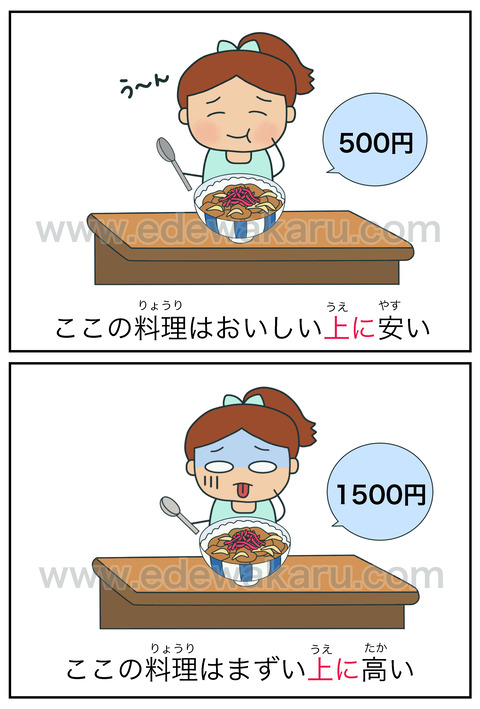
Unlike ~た後で "after", ~た上で doesn't always emphasize the temporal order of the two events. There are cases where the focus is more on "in addition to~".

この考え方を基本とした上で,敬語の使い方について次の二つの事柄を指針の基盤として提示します。

本件はインターネット上のヘイトスピーチについて、人種差別そのものを違法とした上で、高額な賠償を認めた画期的な判決です。

男女共同参画社会は、男女平等を当然の前提とした上で、さらに、男女が各人の個性に基づいて能力を 十分に発揮できる機会を保障することをも重要な基本理念としていること

「水際対策強化に係る新たな措置(27)」に基づき、令和4年3月1日以降、7日間待機を原則とした上で、3日待機指定国からの入国か否か、条件を満たした有効な新型コロナウイルス接種証明書を所持しているか否かで、入国後の待機期間及び待機場所が変更されます。
 
Last edited:
Back
Top Bottom