


- 14 Mar 2002
- 21,056
- 18,912
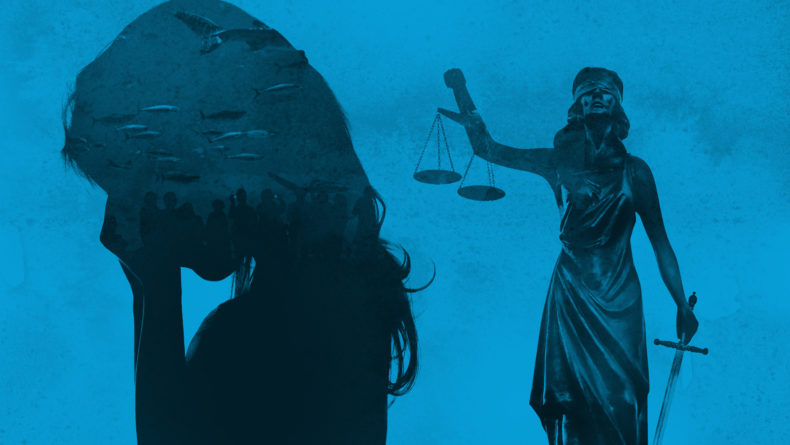
Japan ranked the lowest among developed countries regarding gender equality under the law, the World Bank said in a report released on 2 March. The annual survey, covering 190 countries and territories, assesses gender gaps in laws and regulations across eight areas, including the workplace, pay, parenthood and entrepreneurship. Japan ranked 104th overall of the 190 economies listed. The country lags behind in the categories of pay and the workplace. The lack of legislation to punish sexual harassment in the workplace is also one of the reasons for the country's low ranking.

 www.japantimes.co.jp
In the report, released Thursday, Japan scored an average of 78.8 out of 100, sharing the same score with other countries including the Philippines. Japan did poorly in the categories of workplace and pay, scoring 50 and 20 out of 100 respectively, though it did get full marks for pensions and mobility. Among other G7 members, Canada, Germany and France each scored 100 on the index, which means that women are on an equal legal standing with men in all of the areas measured. Italy and Britain followed with a score of 97.5, and the United States with 91.3. Japan's ranking has continuously fallen, ranking 74th in the 2020 report, 80th in the 2021 report and 103rd in 2022.
Japan drops to 104th in latest World Bank gender equality survey
The annual survey covers 190 countries and territories and assesses gender gaps in areas including the workplace, pay, parenthood and entrepreneurship.
Overall, Japan scored 78.8 out of 100, calculated based on an assessment of the eight categories. The average score for the OECD high-income countries was 95.3. Japan was the only developed nation with a score below 80. Canada and 13 European countries, including Spain, scored 100, indicating that men and women enjoy equal legal rights there. The global average score was 77.1, with the growth rate from the previous year falling to a 20-year low. At the current pace, in many countries a woman entering the workforce today will have retired before she gained the same legal rights as men, the World Bank notes.



 Update:

 ok then Mr. "I don't hate women, I hate everyone," as if I've never heard that lame backpedal before. Tell me more about how I'm overly emotional as a way to avoid addressing anything I've actually said, or my challenge to come up with a better way to encourage greater representation in higher echelons of power. That pathetic tactic may work on Fresh and Fit, but not here bucko. If anything, I'm merely exasperated by your obtuseness.

