


- 6 Mar 2003
- 9,346
- 9,505
Exactly my question. They're not allowed to kill animals? Maybe they're afraid a bear that attacks deer may move on to humans.Why was the mother bear killed?
Follow along with the video below to see how to install our site as a web app on your home screen.
Note: This feature may not be available in some browsers.
Exactly my question. They're not allowed to kill animals? Maybe they're afraid a bear that attacks deer may move on to humans.Why was the mother bear killed?

Some tourists and amateur photographers throw caution to the wind and approach the bears up close. [...] Typical sightings include a brown bear gnawing on a car that had stopped on the Shiretoko Crossing Road one afternoon in May 2022. The rental car was parked near the center line on a downhill section of the road in Shari which lies in the western part of the peninsula. A mother and her two cubs were within 10 meters of the vehicle when they approached. The mother put her nose against the door on the driver's side while one of the cubs reared up and shook its head repeatedly as it bit into a side mirror. Between 400 and 500 brown bears inhabit the Shiretoko Peninsula, giving it one of the world's highest concentrations of the animal.


Since the 23 August attack in Okutama, bears have been seen in Ome at least three times. In the early hours on Wednesday morning, a bear was seen along Ome Kaido Avenue near Hinatawada Station on the JR Ome Line. Some municipal government officials and members of the local hunters' association were called in, and they searched the neighbourhood. However, they did not see any signs that a bear was nearby. At about 1:40 p.m. on Wednesday, a bear was seen on a road near a tourist facility in the Oguno district of Hinode. The town's municipal government told residents to stay alert and said, "If you see a bear, don't go near it. Call the police."

 japannews.yomiuri.co.jp
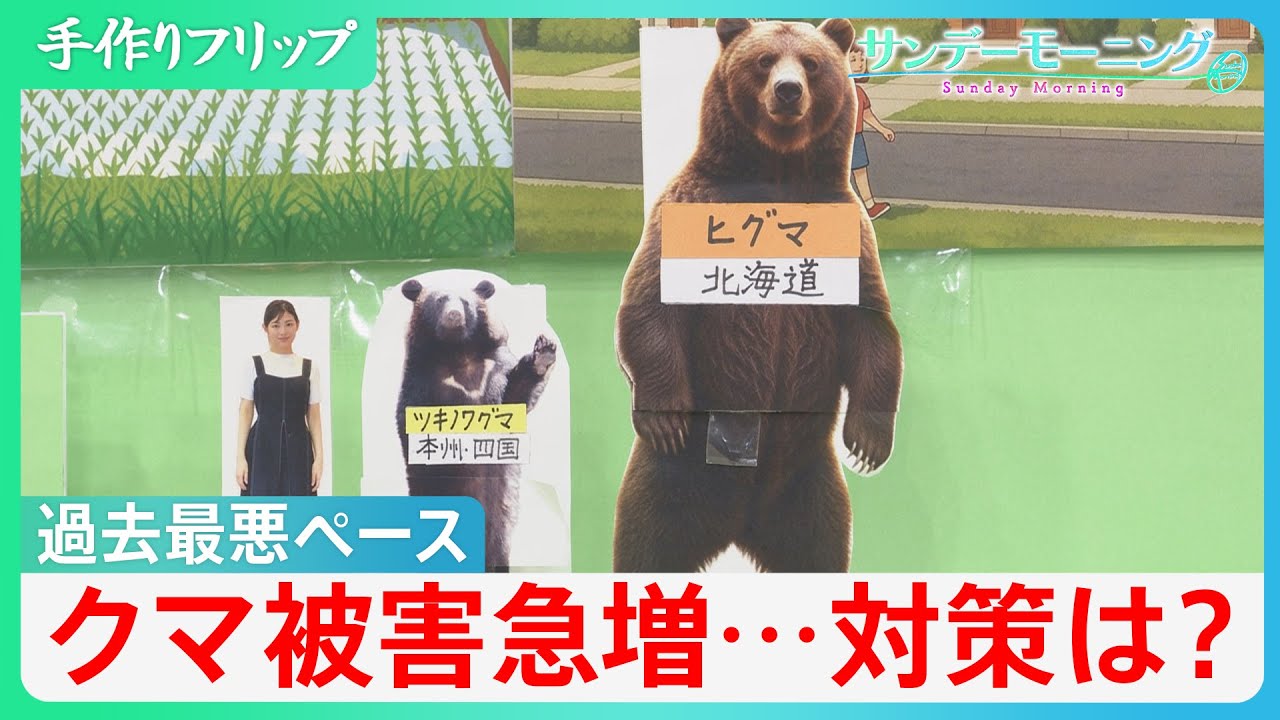
According to preliminary data from the Environment Ministry, incidents have occurred mainly in Hokkaido and the Tohoku region, but also in Tokyo and western Japan.
2023: 219 victims (6 deaths)
2024: 85 victims (3 deaths)
2025 (as of October): 109 victims (6 deaths)
The number of victims in the first half of fiscal 2025 has already surpassed the total for 2024, and fatalities have reached the same level as the record year of 2023.


Interesting. It's been a while, and no source for this, but I once heard that bears (and pigs, etc) were getting closer--coming into more populated areas--because there were fewer people going into and "managing" mountain or wilder areas. Or foraging there. So the 'boundary' or where bears and people meet has shifted from farther into the mountains to city-adjacent. A sato-yama/里山 thing.People studying the issue said the rise is not only due to more bears but also because human activity has spread further into mountain areas, making the divide between wildlife habitats and towns less clear.

Halloran was on one of his routine runs in early October when he saw something he'd never encountered before: two Asiatic black bears. He immediately knew he was in trouble. Bear attacks have been rising across Japan, with more than 100 people injured so far this year and at least seven killed, the highest since records began in 2006. One recent deadly attack took place just a few miles from where he lives. Now, he was alone on the trail, kilometers away from where he'd parked his car, contemplating how to escape the two bears staring at him from bushes less than 30 meters away. When he tried backing away slowly, one bear began moving toward him, said the 32-year-old originally from Auckland, New Zealand. "It was around my size, it was an adult, it was at least 60 or 70 kilos (about 132 to 154 pounds)," he said. Halloran decided not to run, afraid it would chase and jump onto him from behind. So instead, he tried to scare it off by shouting. "I could see it was going to lunge at me – and it did." He held up his arm in front of his face, "and it grabbed my arm, and I got pushed to the ground," Halloran said. "Then in one bite, my arm was done." The bear then attacked his leg, leaving claw punctures and scratches, before it backed off. Running on adrenaline, Halloran managed to get up, then engaged in a brief "standoff" with the bear – before it disappeared back into the bush.
And he still goes out running unprepared. Seems like he was trying for a Darwin Award. Maybe next time.One recent deadly attack took place just a few miles from where he lives.

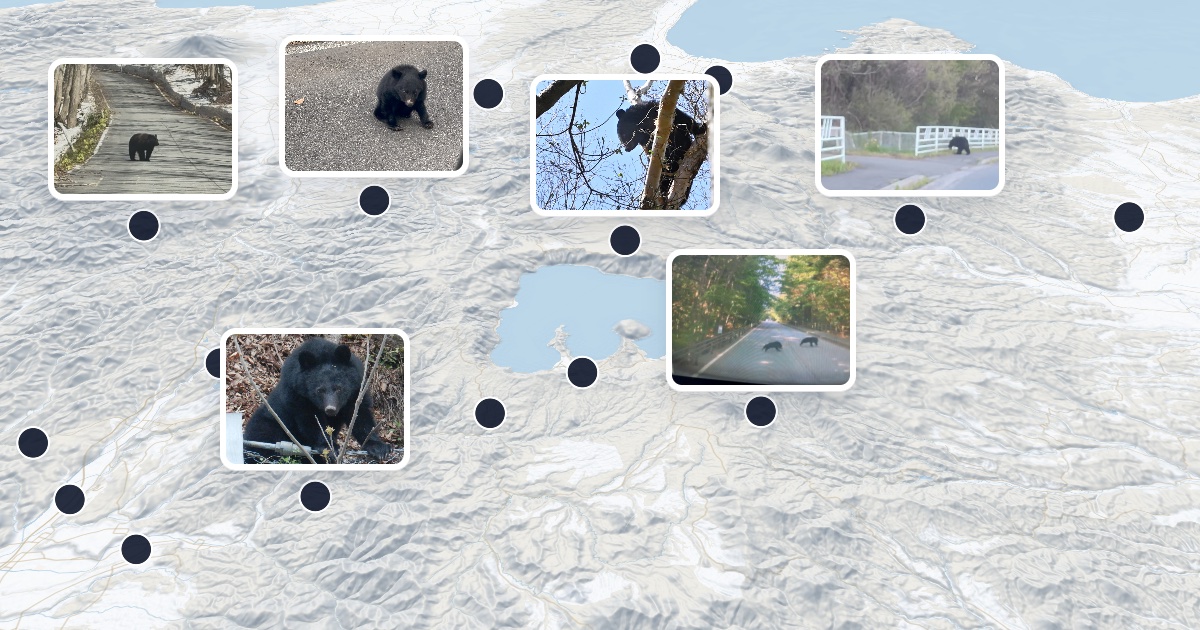
Yuki Ishigaki, an orthopedic surgeon at the graduate school, said, "It is important for people to understand bear habits and learn effective ways to protect themselves from attacks." Ishigaki said his team reviewed injury details by linking Akita Prefecture's database on bear-related casualties with medical records of people who sought treatment in the area during fiscal 2023. The 70 injured people had an average age of 70. Facial wounds accounted for 55.7 percent, followed by hands and arms at 54.3 percent and head injuries at 44.3 percent, with most cases affecting mainly the upper body.


