


ralian
長靴をはいた猫やねん
- 1 Sep 2003
- 540
- 10
Tsuyoiko said:Ahh, now it makes sense. When I looked it up in the dictionary it said 'counter for large animals', which hurt my brain! Thanks Ralian.
BTW, how do you pronounce it in this case?
It is "atama".

Follow along with the video below to see how to install our site as a web app on your home screen.
Note: This feature may not be available in some browsers.

Tsuyoiko said:Ahh, now it makes sense. When I looked it up in the dictionary it said 'counter for large animals', which hurt my brain! Thanks Ralian.
BTW, how do you pronounce it in this case?

ralian said:Oh, I would love to hear,
「会いたかったよ」

Elizabeth said:Ze is used as a command/imperative mood ? I didn't realize.... :sorry:
Saku39 said:how would you use and with, lets say drinks.... like biiru shushte(romanji spelling off) osake ga nomitai desu.... trying to say I'll have a beer and sake to drink.... where does the and go, also the ga if their are two topics...? Thx, japanese is fun!!!

Glenn said:That's soshite.
You could say biiru to sake ga nomitai desu for "I want to drink beer and sake." If you're ordering I think it would be better to say biiru to sake ga moraitai'n desu ga, but I'm not absolutely certain on that one.
Also, this brings up a question from me: how would I say "I'll have a beer and a sake?" Would it be biiru to sake o ippon kudasai, or is there a way to say "each" (as in "one of each") that has to be used for the sentence to make sense when specifying number? Also, when saying "three beers and two sake," would you have to say biiru o sanbon to sake o nihon kudasai, or is there another way of saying that (assuming that that's right in the first place)?

There may be other ways, but I've personally always used Glenn's method (biiru wo sanbon to sake wo ippai kudasai (onegai)) for different counters. For "each" you can add "zutsu" after the amount so I suppose "biiru to sake wo nipon zutsu kudasi" is workable when there is that yen for sake by the glass.Glenn said:That's soshite.
You could say biiru to sake ga nomitai desu for "I want to drink beer and sake." If you're ordering I think it would be better to say biiru to sake ga moraitai'n desu ga, but I'm not absolutely certain on that one.
Also, this brings up a question from me: how would I say "I'll have a beer and a sake?" Would it be biiru to sake o ippon kudasai, or is there a way to say "each" (as in "one of each") that has to be used for the sentence to make sense when specifying number? Also, when saying "three beers and two sake," would you have to say biiru o sanbon to sake o nihon kudasai, or is there another way of saying that (assuming that that's right in the first place)?

ほっほっほ。うれしいこと言ってくれるわね。なんてやさしいグレンさん。Glenn said:会いたかったよ、ラリアン。 :emoji_stuck_out_tongue_winking_eye:
(欲しかった影響がなくてすみませんね。) :emoji_bow:
Elizabeth said:"Morau" sounds more like a request than an order, "ga mortaitain" is closest to "I want to ask for this and this from you so comes with a really strong feeling for most situations. Best to stick with kudasai or onegai shimasu, although there may be times you can leave off the "wo"....that always confuses me.

Damicci said:My friend said:
本はボトルBottle と 杯はグラスGlass
ビールを三本(3杯) と 酒を二本(二杯)を下さい
それか、ビール三つと、酒を二つ下さい。を・はいらないよ
These are ok to use she said. and even using tsu would be an easier counter.


ralian said:ほっほっほ。うれしいこと言ってくれるわね。なんてやさしいグレンさん。
 :
:ralian said:「わたしこそ、とっても寂しかったわ。あんまり寂しかったので、
お酒飲めないのに、無理に飲んで:gulp:、目が回っちゃった。ひっく。」 :emoji_rage:
日本では知らない人とあまり口を利きませんね。 :emoji_slight_smile: I think for a lot of English speakers "Beer, please" or "Do me the favor of a beer"... doesn't comport with Japanese politeness. お茶を一杯頂きたいのですが。。。(もらたいんですが、欲しいんだけど)are all "I'd like to receive/have," (More directly I want = 頂きたい、貰いたい、ほしい)but in a restaurant situation they are too unclear to be used for ordering I think. 貰いますか? would be "Can I have/get?" if you weren't sure they had or could fulfill it, so you could say like "窓側の席を貰いますか?" or "わさびを少なめにしてもらえますか? :angryfire: :emoji_blush:Glenn said:Interesting. I thought it just meant "I'd like to have..." so it seemed evasive enough for me. I remember reading about it as a way to ask for service in a book that I have, that's why I brought it up. It seems to me that saying "I'd like to have..." is softer than "please give me..." but maybe it's just me. :emoji_thermometer_face:
ビールは、大瓶を一本ください。Damicci said:My friend said:
本はボトルBottle と 杯はグラスGlass
ビールを三本(3杯) と 酒を二本(二杯)を下さい
それか、ビール三つと、酒を二つ下さい。を・はいらないよ
These are ok to use she said. and even using tsu would be an easier counter.


Due to the front, rain reaches us where we are and strong sunlight gradually returns to the Sea of Japan side.Tsuyoiko said:I am struggling with this sentence.
ただ、前線による雨はここまでで、日本海側では、しだいに強い日差しが戻ってくる。
I know it is about rain due to a weather front and strong sunlight will gradually return to the Japan sea side, but I can't make it into a proper sentence.
有り難うございます!
に限って means "limited to" or "just looking at"Mahoujin Tsukai said:勉強しない物に限って、試験に出題される。
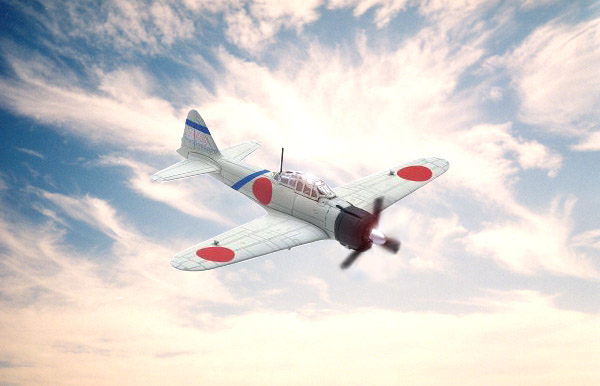
零戦(注1)は全部で敵ヘルキャット(注2)と闘っているに限って、TBF(注3)が空港を爆撃された。
(注1) 三菱 零式艦上戦闘機
(注2) ある米戦闘機
(注3) ある米爆撃機

Elizabeth said:Due to the front, rain reaches us where we are and strong sunlight gradually returns to the Sea of Japan side.
It's like "simply" or "however" but you can't really tell without knowing the sentence or context that came before.Tsuyoiko said:有り難うございます Elizabeth! Can you explain what the ただ is, as I still don't get how it fits into this sentence. 有り難う また!
Elizabeth said:日本では知らない人とあまり口を利きませんね。
Elizabeth said:I think for a lot of English speakers "Beer, please" or "Do me the favor of a beer"... doesn't comport with Japanese politeness. お茶を一杯頂きたいのですが。。。(もらたいんですが、欲しいんだけど)are all "I'd like to receive/have," (More directly I want = 頂きたい、貰いたい、ほしい)but in a restaurant situation they are too unclear to be used for ordering I think. 貰いますか? would be "Can I have/get?" if you weren't sure they had or could fulfill it, so you could say like "窓側の席を貰いますか?" or "わさびを少なめにしてもらえますか? :angryfire:
Elizabeth said:It's like "simply" or "however" but you can't really tell without knowing the sentence or context that came before.
Here is another instance of 'but, however' from the story in the papers this morning on a bomb planted near the Japanese Defense Forces in Iraq. It may have come about as a shortened "tadashi," I'm not really sure.Tsuyoiko said:Then it will be 'however', because the previous sentence was about weather somewhere else. I only found the 'simply' or 'usually' meaning in the dictionary, which didn't make sense.
有り難うございます Elizabeth!
Elizabeth said:Here is another instance of 'but, however' from the story in the papers this morning on a bomb planted near the Japanese Defense Forces in Iraq. It may have come about as a shortened "tadashi," I'm not really sure.
現地の治安当局によると、現場付近からは赤外線がついた遠隔装置が見つかりました。このため、自衛隊を狙った爆弾事件との見方が強く、治安当局は現場付近にいた住民など数人から、参考人として事情を聴いています。ただ、政府としては、今のところ、サマワは非戦闘地域で、自衛隊を撤退させる状況にはないとしています。
ありがとね、グレンさん。あなたのやさしい言葉のおかげで、すっかり元気になった私です。Glenn said:「本当にそれほど寂しいのか。そうならば、オーストラリアにすぐ行き、お前と会ってみせるぞ。酒が飲 めないのならば、やはり飲んではいけないんだよね。こ の場合、おいらがお前を助けに行ってみせる!」(実は私は今、ちょっとだけ酔っていますがね。 )


