


- 14 Mar 2002
- 21,056
- 18,911
From early January, some eel products on sale in Japanese restaurants and supermarkets will likely fall under stricter international rules: importers and wholesalers will have to prove that shipments were adequately cleared for export and that the eels' origins could be traced. The shift was linked to ongoing talks within CITES, the international framework that oversees wildlife trade, where delegates had been preparing to widen the agreement to cover particular eel species. Much of the processed American eel that reaches Japan via China is expected to be affected, and people familiar with the issue said prices could rise if the new requirements reduce overall supply.
In the days leading up to next week's CITES meeting, delegates were preparing to discuss whether eels should be listed in Appendix II, a section that requires exporting countries to obtain official permits before any trade can take place. People following the talks said the American eel was most likely to be included first, seeing it as part of a broader effort to strengthen protections for these species.
Disruptions of American eel supplies could push Japanese buyers to procure Japanese eel. But the supply of that eel is limited in both Japan and China, so a shortage could drive prices even higher.
Paywall alert:

 asia.nikkei.com
In the days leading up to next week's CITES meeting, delegates were preparing to discuss whether eels should be listed in Appendix II, a section that requires exporting countries to obtain official permits before any trade can take place. People following the talks said the American eel was most likely to be included first, seeing it as part of a broader effort to strengthen protections for these species.
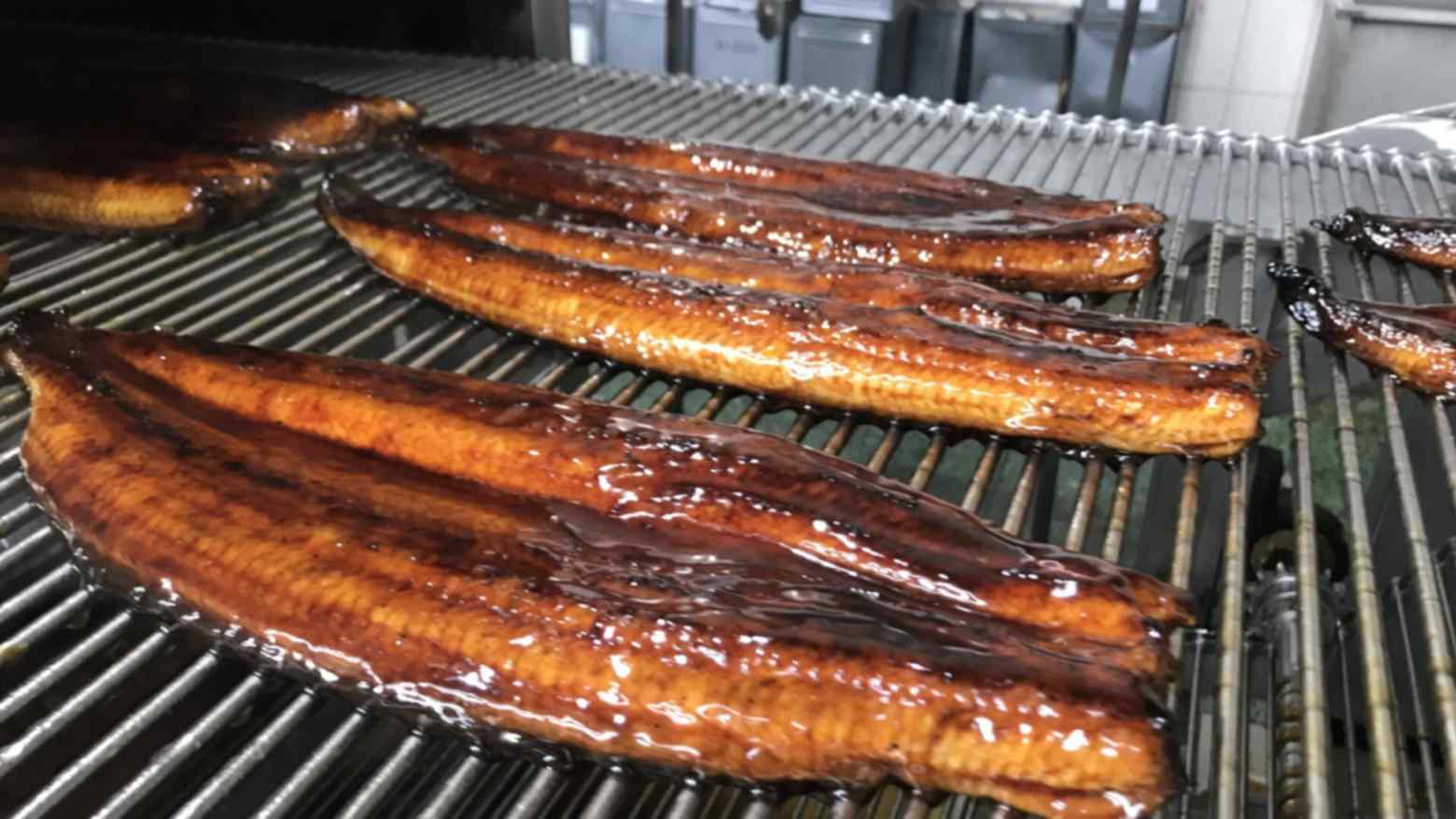
American eels can be caught in North America and the Caribbean. The Dominican Republic and Haiti, among others, catch eel fry and export them to China, where they are farmed, and sometimes processed before being exported to Japan. American eels are in high demand for their price point: 1,000 yen to 3,000 yen ($6.40 to $19.30) for a typical serving, compared with 2,500 yen for Japanese eel. Japanese trade statistics indicate that the country imports around 20,000 metric tons of broiled eel annually, greater than the 16,000 tons raised domestically. China is the source of 99% of those imports, but statistics do not indicate the original source of the eels. Imported broiled eels from China will need to carry proof of the actual country of origin and export permission from that country. The additional burdens for Chinese re-exporters risk leading to procurement issues.
Disruptions of American eel supplies could push Japanese buyers to procure Japanese eel. But the supply of that eel is limited in both Japan and China, so a shortage could drive prices even higher.
Paywall alert:
Japan to face higher eel prices under anticipated trade restrictions
Expected change to agreement on protected species would add import requirements
asia.nikkei.com


