Navigation
Install the app
How to install the app on iOS
Follow along with the video below to see how to install our site as a web app on your home screen.
Note: This feature may not be available in some browsers.
More options
Style variation
System
Light
Dark
You are using an out of date browser. It may not display this or other websites correctly.
You should upgrade or use an alternative browser.
You should upgrade or use an alternative browser.
Topics, threadsm and news related to Japanese art and artists
 Last week's Shibuya case was committed by a butsukari onna, btw.
Agree, and tho you can't see the others to clearly, I think people would generally be masked (and the others to the rear seem not to be, besides the two mains). And does that guy look a little non-Japanese, or is it just stereotypical bad guy?

- 6 Mar 2003
- 9,346
- 9,506
- Thread starter
- #539
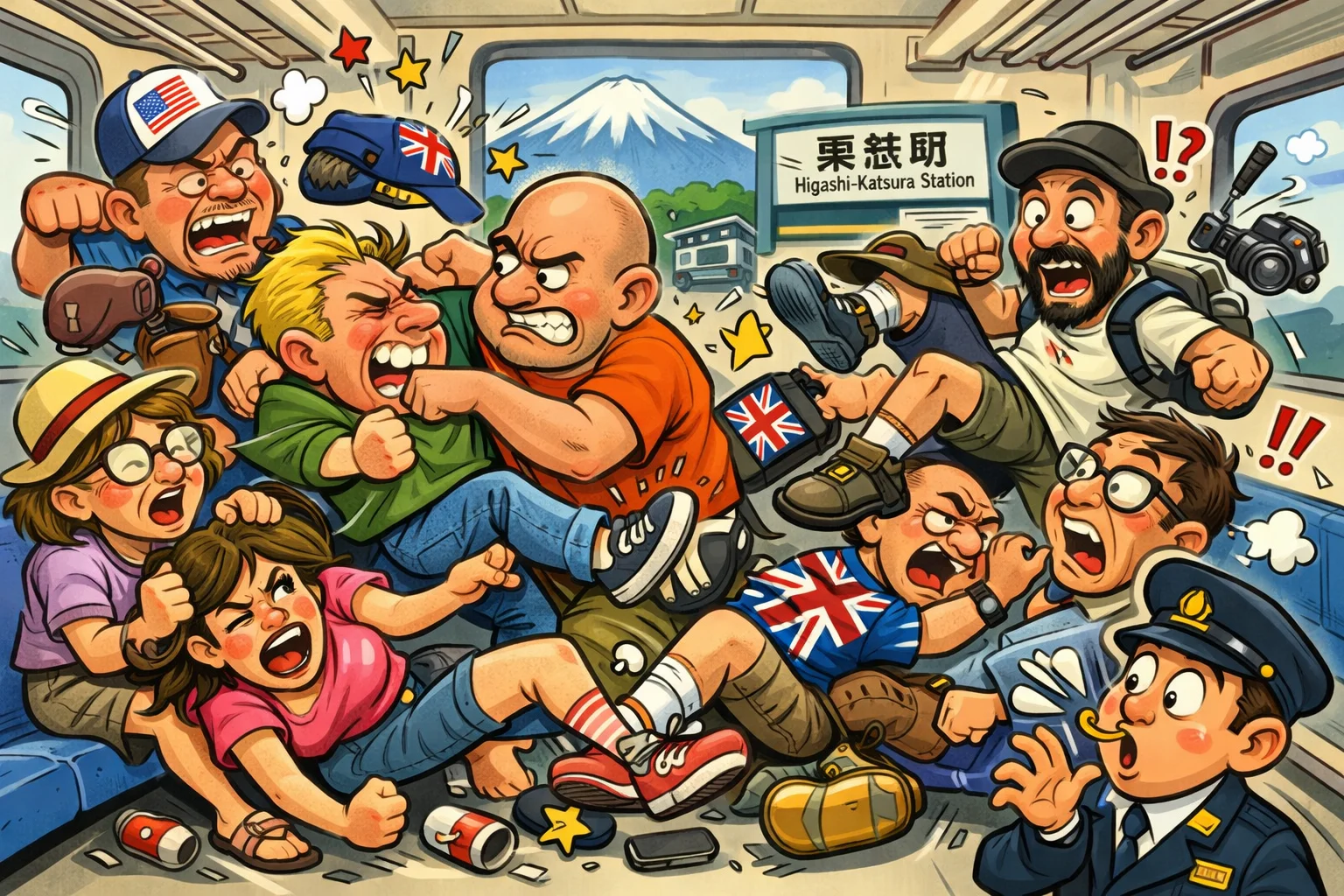
create an image for this news story in a slapstick caricature style : A fight broke out between two groups of foreign tourists on a Fujikyu Railway train travelling through Tsuru City, Yamanashi Prefecture, disrupting services on the line. The trouble began at around 12:30 in the second carriage of a three-car local train bound for Kawaguchiko, near Higashi-Katsura Station. Reports said the argument started over something minor, who had stuck their leg out, and who had not, before escalating into a brawl involving several people.
- 6 Mar 2003
- 9,346
- 9,506
- Thread starter
- #541
This one is slightly disturbing
Create an image of a television show where they are playing quintessential Japanese pranks
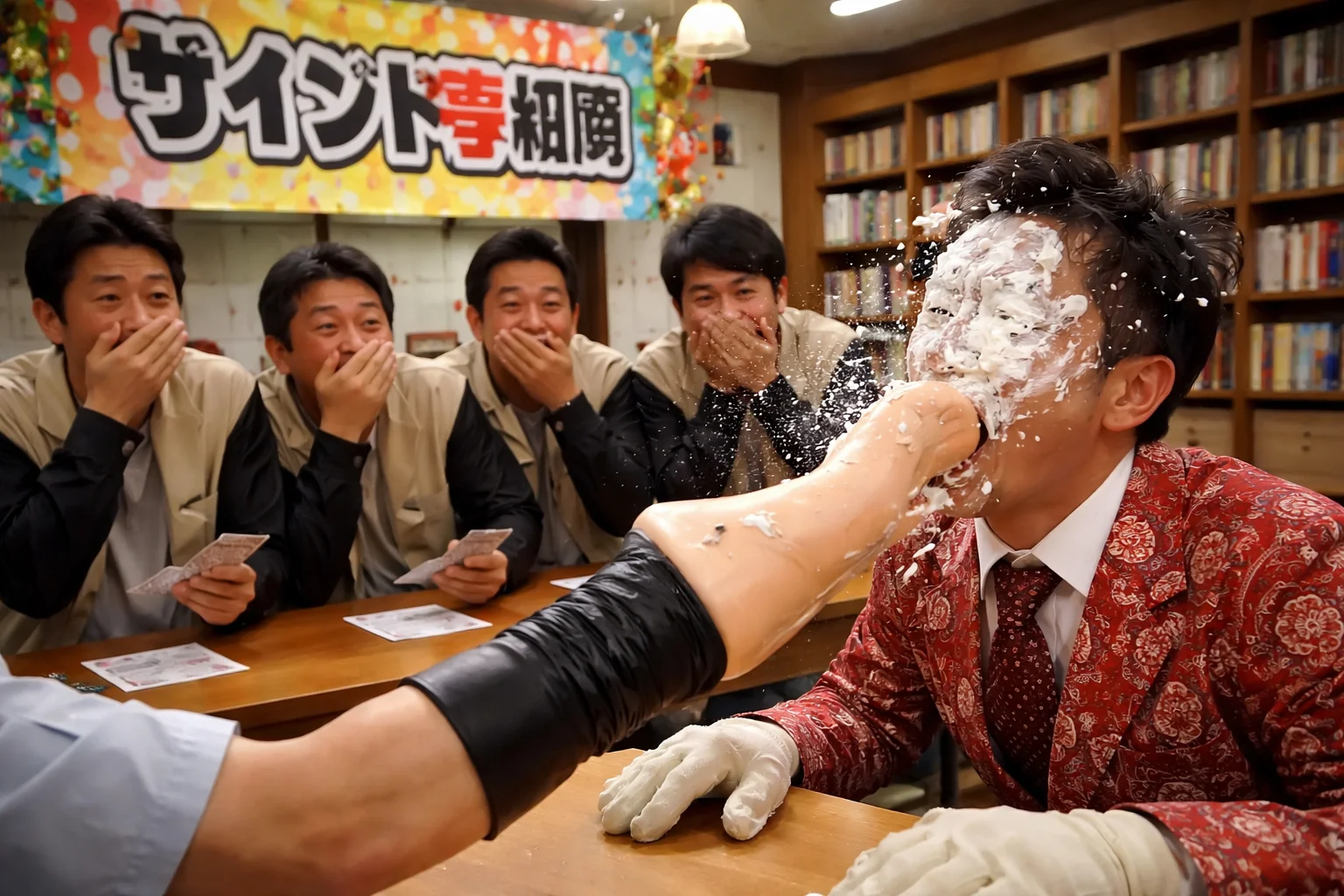
Create an image of a television show where they are playing quintessential Japanese pranks
bonus content: I asked it what are quintessential Japanese pranks
A quintessential Japanese prank tends to be less about humiliation and more about absurd surprise + social awkwardness—often wrapped in elaborate setups. A classic example comes from Japanese TV, especially shows like Downtown no Gaki no Tsukai ya Arahende!!:
The "Silent Library" prank
- Participants sit in a quiet library setting.
- One by one, they draw a card and must endure a ridiculous punishment (getting smacked, weird contraptions, etc.).
- The catch: you can't laugh or make noise, or you lose.
- The humor comes from trying to maintain composure while chaos unfolds.
Another iconic style: "Fake Reality" pranks
Japanese prank culture loves deeply staged scenarios where the victim slowly realizes something is off:
These often play with psychological tension more than outright embarrassment.
- Elevators that "malfunction" and open into bizarre alternate worlds
- Rooms that subtly shrink or tilt over time
- Entire fake TV crews convincing someone they're in a serious situation
The "Don't Laugh" batsu game
Also from Gaki no Tsukai:
- Comedians are placed in absurd situations (like a fake school or hospital).
- If they laugh, they get hit with a foam bat as punishment.
- It blends endurance, absurdity, and escalating weirdness.
What makes it distinctly Japanese?
- Commitment to the bit: The setups are incredibly detailed.
- Group dynamics: Often involves friends/colleagues reacting together.
- Controlled embarrassment: Rarely cruel—more about shared laughter than targeting someone harshly.
- Deadpan escalation: Things start normal, then spiral into surreal chaos.
If you want, I can give you some real-life, low-stakes Japanese-style pranks you could actually try—same spirit, less risk of getting punched
- 6 Mar 2003
- 9,346
- 9,506
- Thread starter
- #542
(it got upset when I said "Pokemon Go")
create photorealistic image of people in medieval Japan playing a real-world, map-based creature-hunting game, tracking and capturing mythical spirits using handmade tools and scrolls
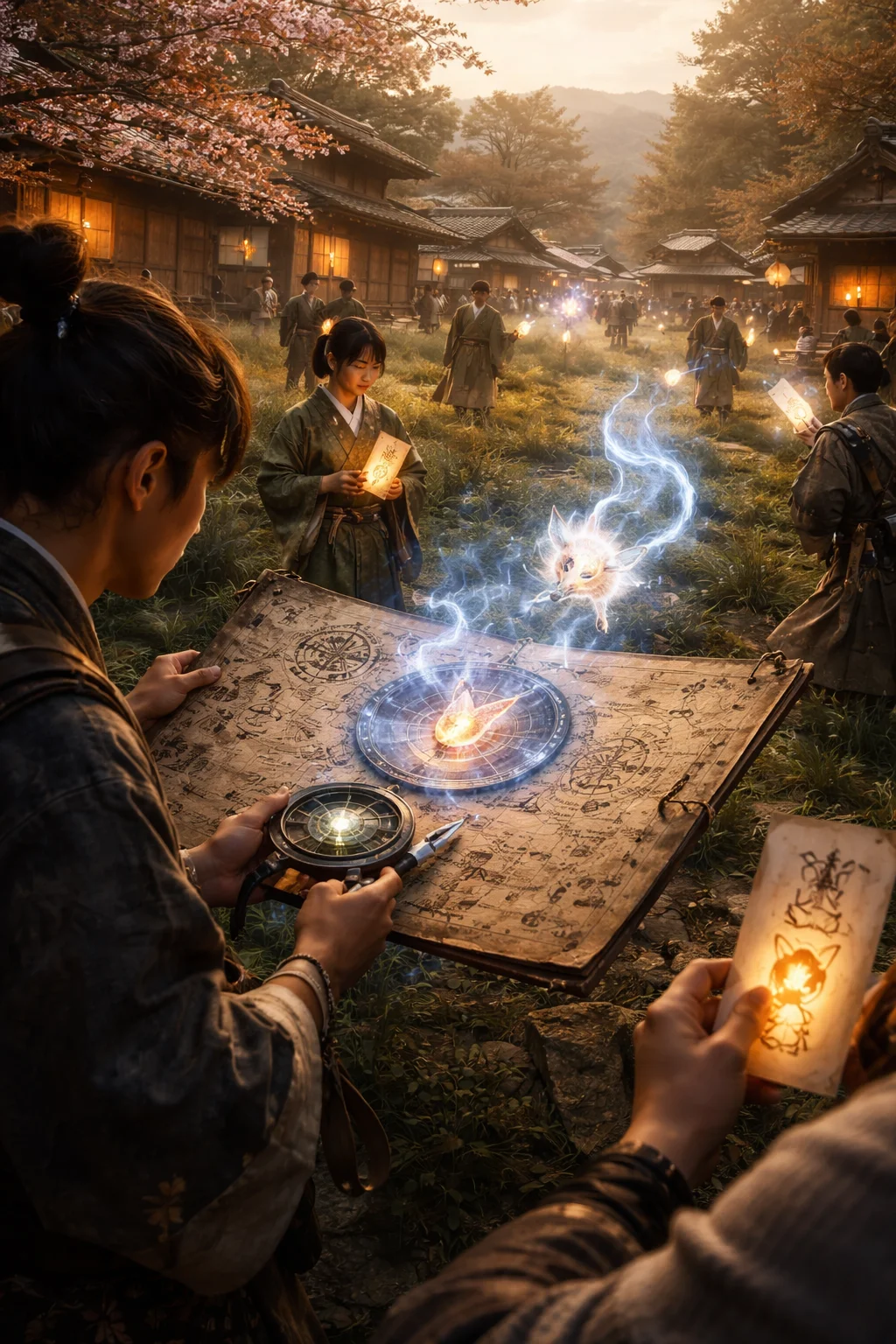
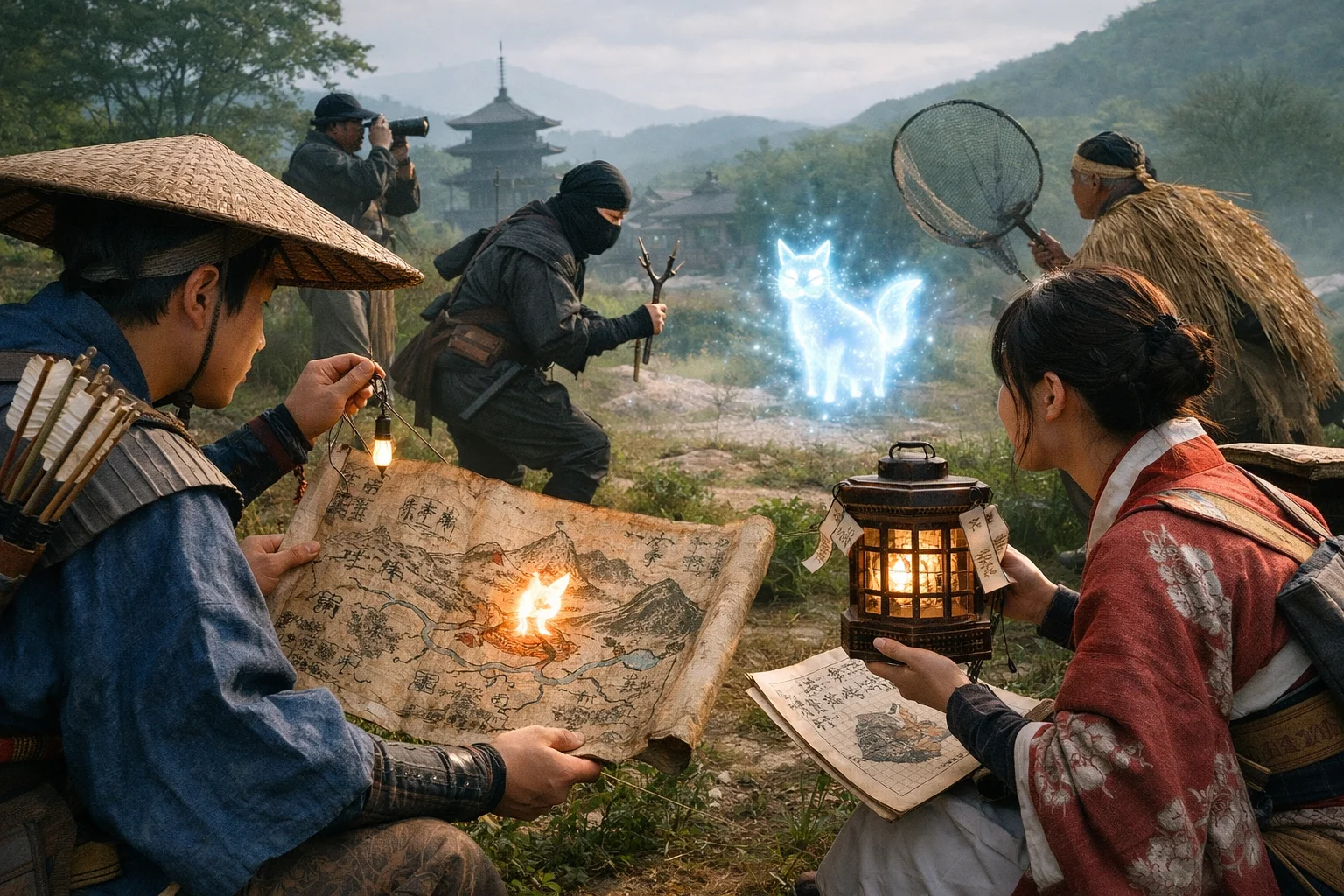
create photorealistic image of people in medieval Japan playing a real-world, map-based creature-hunting game, tracking and capturing mythical spirits using handmade tools and scrolls

- 6 Mar 2003
- 9,346
- 9,506
- Thread starter
- #544
A soy sauce that looks like water but keeps its flavour and aroma has become an unexpected global hit. Create an image of researchers hovering over school children in Japan as they test their new product -- purple-coloured soy sauce -- while they are eating their キャラ弁.


- 14 Mar 2002
- 21,139
- 19,087
A soy sauce that looks like water but keeps its flavour and aroma has become an unexpected global hit. Create an image of researchers hovering over school children in Japan as they test their new product -- purple-coloured soy sauce -- while they are eating their キャラ弁.
Now that looks toxic!

- 14 Mar 2002
- 21,139
- 19,087
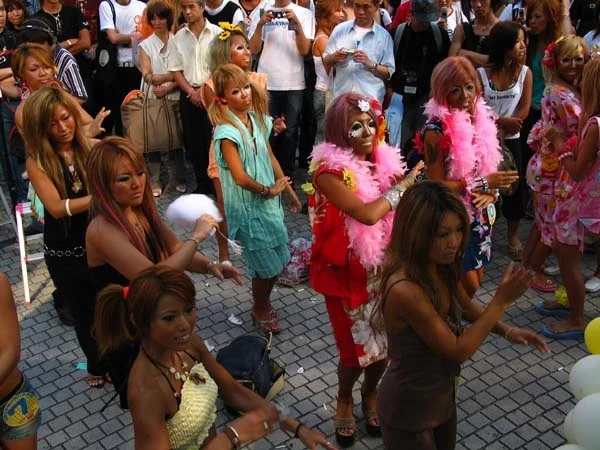
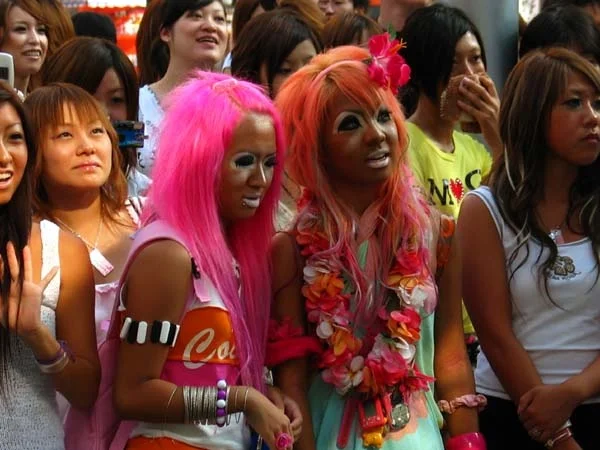
Reminds me a bit of the ganguro gals in the early 2000s.