


- 14 Mar 2002
- 21,053
- 18,906
Chinese already make up the largest group of foreigners in Japan. Until recently, the previous generation of Chinese immigrants tended to be students, interns and working-class people who struggled to make ends meet. More and more affluent Chinese, fed up with life in their motherland, are seeking a better life abroad, making the term runxue ("the study of running away") a buzzword that has increasingly gained currency in recent years. They flocked to the United States, Singapore and Thailand, now focusing on Japan. A new wave of Chinese migrants is flocking to metropolises such as Tokyo and Osaka, upending the luxury housing market and upping the competition for admission into elite international schools.
Their reasons include fatigue from draconian COVID-19 lockdowns, political uneasiness, the ever-intensifying China-U.S. rivalry, and a more challenging business environment with stricter regulations. Such new realities that have taken hold in China have pushed its upper and upper-middle classes, including tycoons and intellectuals, to find a sanctuary in Japan.
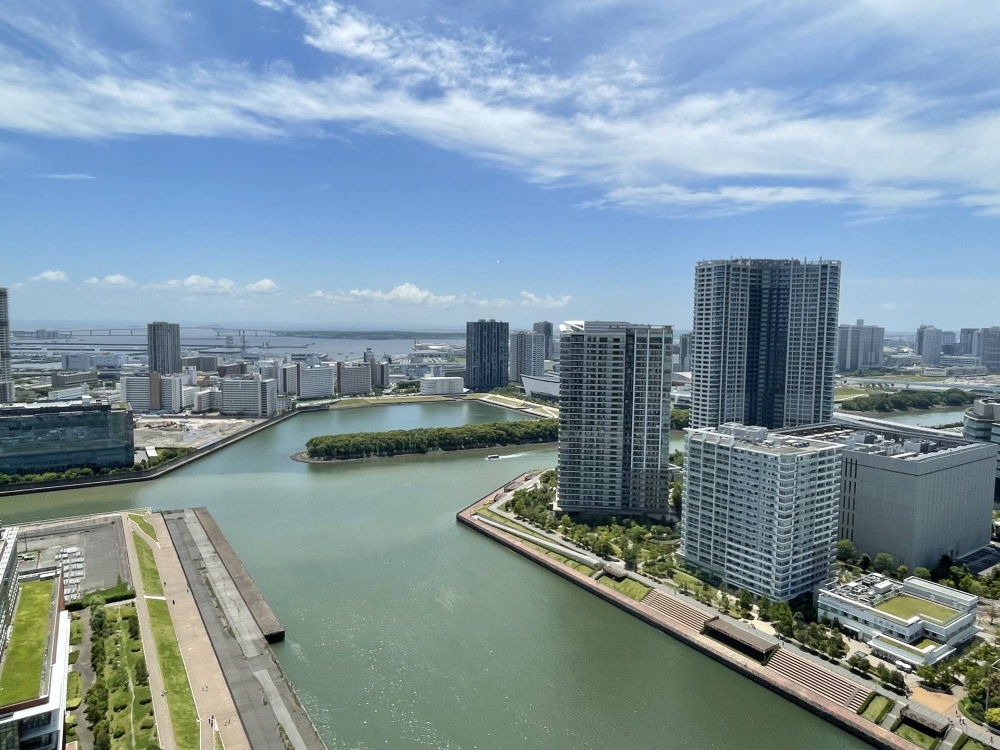
Interestingly, they do not settle in the posh areas of Tokyo but in regions like Toyosu in Koto-ku, which now has the largest Chinese population among the capital's 23 wards, with 16,297 registered residents as of January.
The downside: Japan has relatively slim business opportunities compared to other countries. In the eyes of these immigrants, startups are almost nonexistent, and many sectors are over-protected, which has led many to end up simply launching restaurants, private lodgings, and trading companies.
 www.japantimes.co.jp
Their reasons include fatigue from draconian COVID-19 lockdowns, political uneasiness, the ever-intensifying China-U.S. rivalry, and a more challenging business environment with stricter regulations. Such new realities that have taken hold in China have pushed its upper and upper-middle classes, including tycoons and intellectuals, to find a sanctuary in Japan.
Investment migration consultancy Henley & Partners predicted in a June report that China would rank top in terms of the outflow of high-net-worth individuals (those with investable assets of $1 million or more) this year, with 13,500 people. Wang Yun, chief consultant for Support Gyoseishoshi Law Firm, said that more and more Chinese are arriving in Japan under the business manager visa — which requires at least ¥5 million in investments — or the highly skilled foreign professional visa. Inquiries from parents in their 30s and 40s living in mainland China's major cities have visibly increased since last spring, when the Shanghai lockdown began, according to Wang. "The cost and difficulty for Chinese nationals trying to go to the U.S. now is much higher. Also, the cost of moving to Singapore is going up, so many people think Japan is a reasonable option," Wang said.
Interestingly, they do not settle in the posh areas of Tokyo but in regions like Toyosu in Koto-ku, which now has the largest Chinese population among the capital's 23 wards, with 16,297 registered residents as of January.
A Chinese real estate consultant covering the bay area said that a favorite for Chinese people is the newly built 48-story Branz Tower Toyosu, which features a huge, hotel-like entrance lobby, recreation room with pool tables and party rooms. Park Tower Harumi, designed by Oriental Land, the operator of Tokyo Disneyland, is likewise sought-after. The consultant estimates that the ratio of Chinese residents in some condominiums is as high as 20%. Chinese newcomers are attracted to Japan's cost-effectiveness. A female resident of Branz Tower Toyosu in her 30s said, "If you buy an apartment of similar grade in the same geographical condition in Beijing, it would cost 100,000 yuan (around ¥2 million) per square meter at least." Since the starting price for a unit in Branz Tower Toyosu is roughly JPY 1.2 million, it represents a 40% discount at face value.
The downside: Japan has relatively slim business opportunities compared to other countries. In the eyes of these immigrants, startups are almost nonexistent, and many sectors are over-protected, which has led many to end up simply launching restaurants, private lodgings, and trading companies.
A new wave of Chinese elites is flocking to Japan
Recent newcomers are affluent and financially savvy, and choose Japan after weighing the pros and cons of other potential overseas destinations.


