- 14 Mar 2002
- 21,050
- 18,903
Lately, akiya (空き家), abandoned buildings, have gained media and foreign interest for their incredibly low prices — sometimes even free — offering a chance to own property in Japan's scenic countryside. As rural areas face depopulation, local governments promote these homes through "akiya banks" to attract new residents. For foreigners, akiya offers an affordable way to experience traditional Japanese living, especially with remote work, making rural life more accessible. Renovation stories online add to the appeal, showcasing the blend of historic charm and modern comfort, turning abandoned homes into dream retreats.
Click here for more threads about akiya.
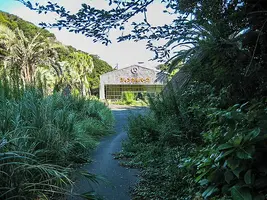
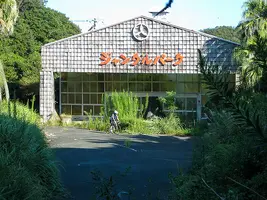
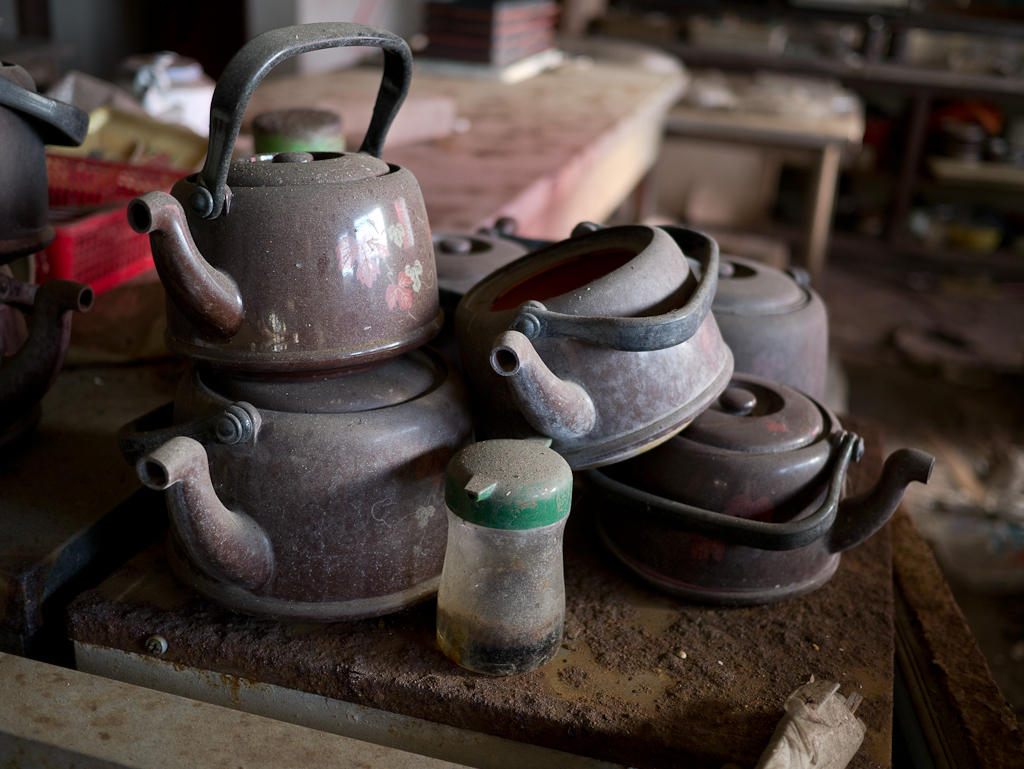
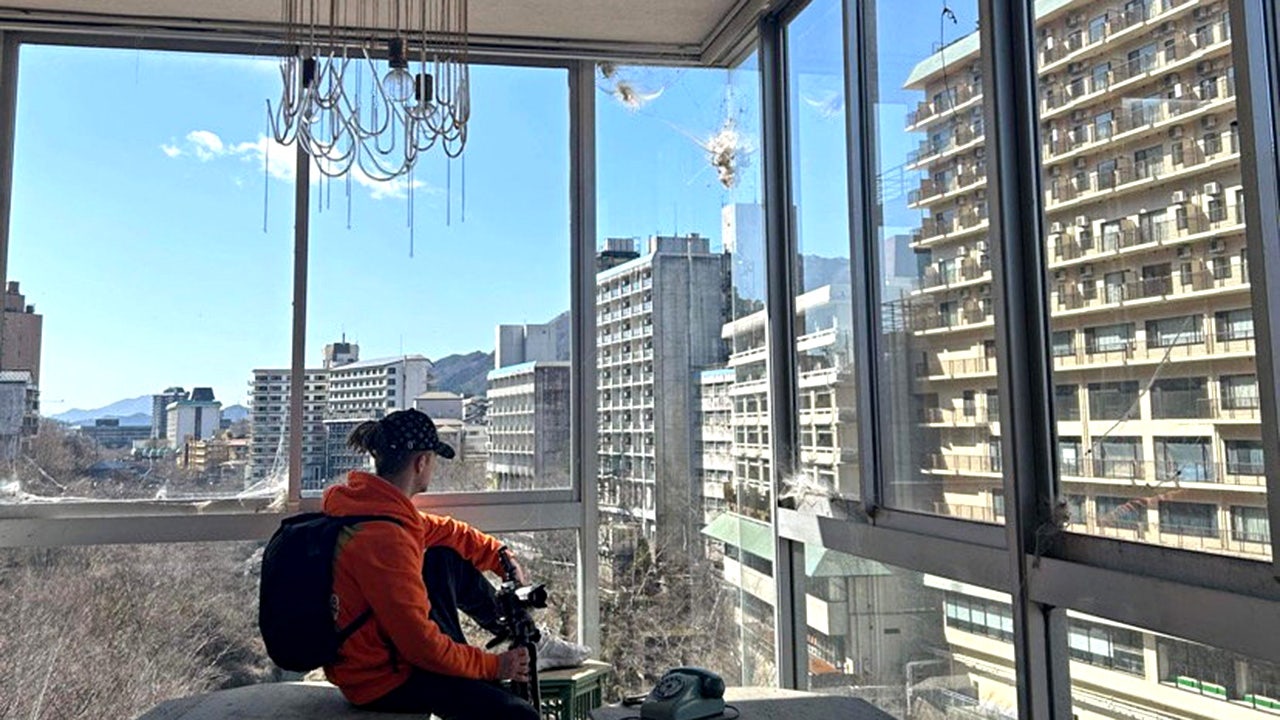
While "akiya" refers to abandoned buildings in the sense of empty houses or vacant residential properties, "haikyo" (廃墟) means "ruins" or "abandoned structures" and typically refers to derelict, decaying buildings or entire sites that have been left to deteriorate. Haikyo often includes ghost villages, deserted hotels, abandoned hospitals, and old factories or theme parks. These places are usually uninhabitable, overgrown, and sometimes dangerous to explore. Haikyo has also become a subculture of urban exploration in Japan, where people seek out and photograph these forgotten places.
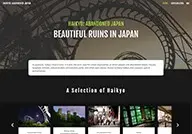
Japan's landscape is dotted with abandoned villages, hospitals, and hotels — remnants of population decline, economic shifts, and changing lifestyles. As younger generations migrate to cities, rural villages are deserted, especially as ageing residents pass away. Japan's bubble economy collapse in the 1990s left many resort hotels bankrupt, while fading domestic tourism and natural disasters further contributed to closures. In healthcare, declining local populations and the consolidation of medical services into larger urban hospitals caused smaller clinics to shut down.
Many of these abandoned places remain standing due to high demolition costs, complex ownership issues, and tax laws that discourage clearing vacant land. Some sites, like old hospitals, have even gained reputations for being haunted, attracting urban explorers. These hauntingly empty spaces now serve as eerie reminders of Japan's shifting demographics and evolving social landscape.
Some of the most famous haikyo sites include:
Most of them are listed on the Haikyo site linked above.
Haikyo also make it into the news. Here are two recent stories:


Click here for more threads about akiya.
While "akiya" refers to abandoned buildings in the sense of empty houses or vacant residential properties, "haikyo" (廃墟) means "ruins" or "abandoned structures" and typically refers to derelict, decaying buildings or entire sites that have been left to deteriorate. Haikyo often includes ghost villages, deserted hotels, abandoned hospitals, and old factories or theme parks. These places are usually uninhabitable, overgrown, and sometimes dangerous to explore. Haikyo has also become a subculture of urban exploration in Japan, where people seek out and photograph these forgotten places.
Haikyo: Abandoned Japan
Haikyo: Abandoned Japan - Beautiful Ruins in Japan
Japan's landscape is dotted with abandoned villages, hospitals, and hotels — remnants of population decline, economic shifts, and changing lifestyles. As younger generations migrate to cities, rural villages are deserted, especially as ageing residents pass away. Japan's bubble economy collapse in the 1990s left many resort hotels bankrupt, while fading domestic tourism and natural disasters further contributed to closures. In healthcare, declining local populations and the consolidation of medical services into larger urban hospitals caused smaller clinics to shut down.
Many of these abandoned places remain standing due to high demolition costs, complex ownership issues, and tax laws that discourage clearing vacant land. Some sites, like old hospitals, have even gained reputations for being haunted, attracting urban explorers. These hauntingly empty spaces now serve as eerie reminders of Japan's shifting demographics and evolving social landscape.
Some of the most famous haikyo sites include:
- Gunkanjima (軍艦島), Nagasaki: A former coal-mining island with crumbling apartment blocks, it looks like a warship rising from the sea. It's a UNESCO site and partially open for tours.
- Nakagusuku Hotel (中城ホテル), Okinawa : An unfinished luxury resort abandoned in the 1970s, rumoured to be cursed and a hotspot for ghost stories.
- Kamaishi Mine (釜石鉱山), Iwate: One of Japan's oldest iron mines, now a vast labyrinth of rusted tunnels and collapsed structures.
- Maya Hotel (摩耶観光ホテル), Kobe: A once-glamorous mountaintop hotel with panoramic views of Kobe, now a decaying relic of the past.
- Sports World (スポーツワールド), Ibaraki : This abandoned water park has been overtaken by nature. Its empty pools and broken slides create an eerie atmosphere.
- Okutama Ropeway (奥多摩ロープウェイ), Tokyo: A defunct cable car line with rusted gondolas still hanging over the forest like a forgotten time capsule.
- Hachijo Royal Hotel (八丈ロイヤルホテル), Hachijojima: A vast, overgrown resort on a remote island, once a luxurious escape, now a moss-covered ruin.
Most of them are listed on the Haikyo site linked above.
Haikyo also make it into the news. Here are two recent stories:
Abandoned Hospital Becomes Haunting Ground, Alarming Residents
An abandoned hospital in Itoigawa City, Niigata Prefecture, has become a well-known "haunted spot," drawing unwanted attention and raising concerns among local residents. Fresh footprints in the snow indicate frequent trespassing, despite the lack of any official visitors.
newsonjapan.com
Chiba Ghost Town Plagued by YouTubers
A massive abandoned housing complex looms in the mountains, its buildings overgrown with vegetation. No residents are in sight. Concerns over deteriorating security at this so-called "ghost complex" have escalated.
newsonjapan.com