

Navigation
Install the app
How to install the app on iOS
Follow along with the video below to see how to install our site as a web app on your home screen.
Note: This feature may not be available in some browsers.
More options
Style variation
System
Light
Dark
You are using an out of date browser. It may not display this or other websites correctly.
You should upgrade or use an alternative browser.
You should upgrade or use an alternative browser.
Japan Photos 2023
- Thread starter thomas
- Start date
-
- Tags
- japan japan photos

Kind of like "found" photography from google street view: Is This the Future of Photography? AI-based Camera Captures Photos Without any Lens or Sensor - Yanko Design
As far as I know, ajisai is a snowball-looking thing (that grows pretty fast & easy)--i.e., if that first shot is ajisai that's news to me.
If it is, that's my entry!
I did some others today but they weren't very good--maybe this one?
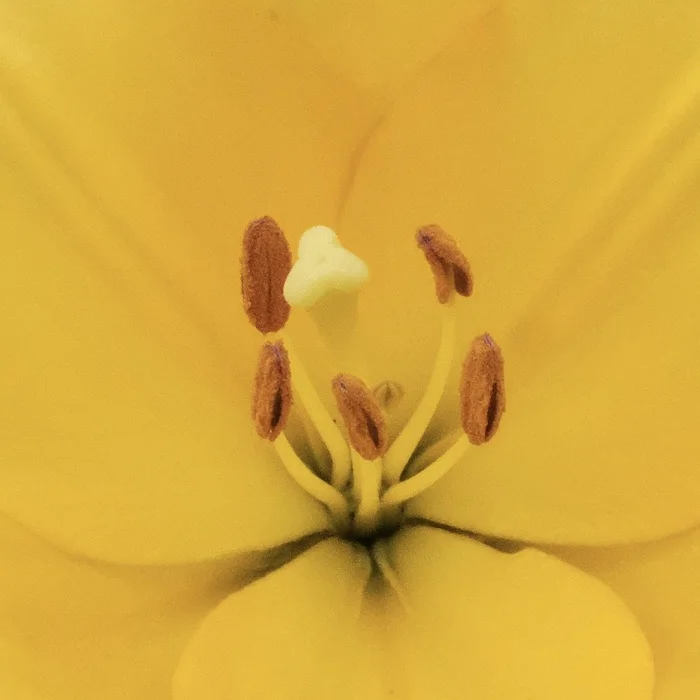
Also, I really liked your lily shot above with the water on it.
So (and this is completely tongue-in-cheek), I was in the post office this morning and this plastic flower was at the side of the window. Totally fake water droplets, but they actually look pretty good.
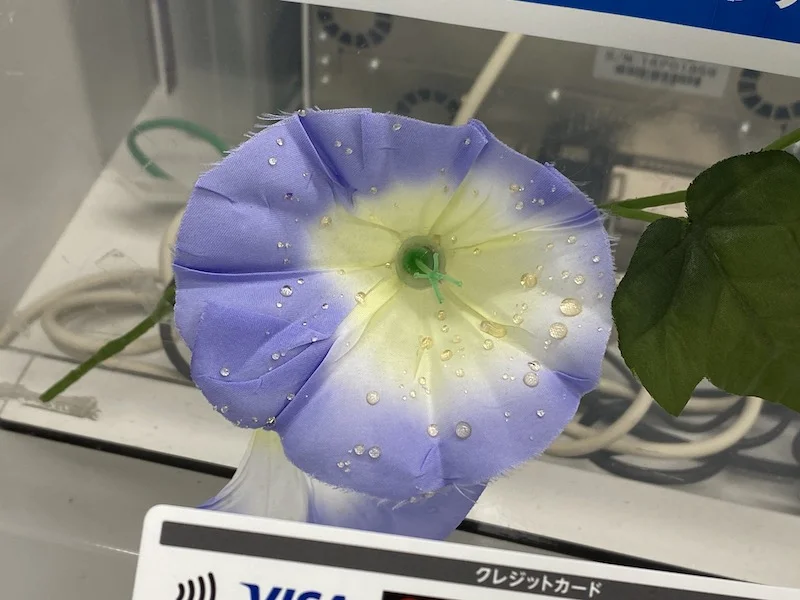
(I've wondered if I should carry a little sprayer along when I do flowers, so I could wet them for that effect.)
If it is, that's my entry!
I did some others today but they weren't very good--maybe this one?
Also, I really liked your lily shot above with the water on it.
So (and this is completely tongue-in-cheek), I was in the post office this morning and this plastic flower was at the side of the window. Totally fake water droplets, but they actually look pretty good.
(I've wondered if I should carry a little sprayer along when I do flowers, so I could wet them for that effect.)

- 6 Mar 2003
- 9,317
- 9,444
I think that's ajisai. Once all those buds open up it should look like a ball.As far as I know, ajisai is a snowball-looking thing (that grows pretty fast & easy)--i.e., if that first shot is ajisai that's news to me.

- 14 Mar 2002
- 21,050
- 18,904
- Thread starter
- #136
Looks like a C-130.
They had four C-130s in the air, practising touch and go. There were Ospreys, too, and some smaller aircraft. With the proper equipment, Yokota is a paradise for plane spotters.
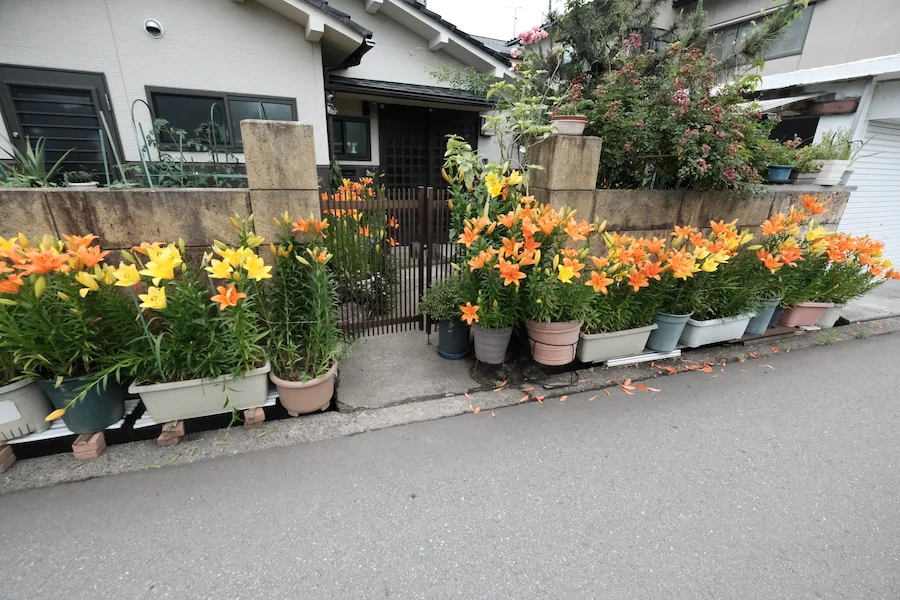
Tried some closer shots here, but nothing came out well. And the pots/plants extend farther left out of the frame.
These are indeed 'ajisai'. Talked to someone right there who said so. (so it must be right) I much prefer this stage of bloom, rather than the later, rounded time.
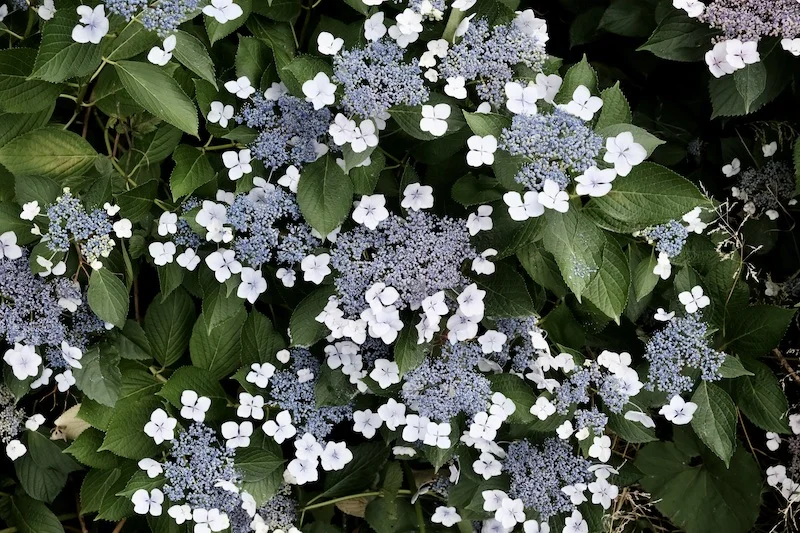
Nearby there:
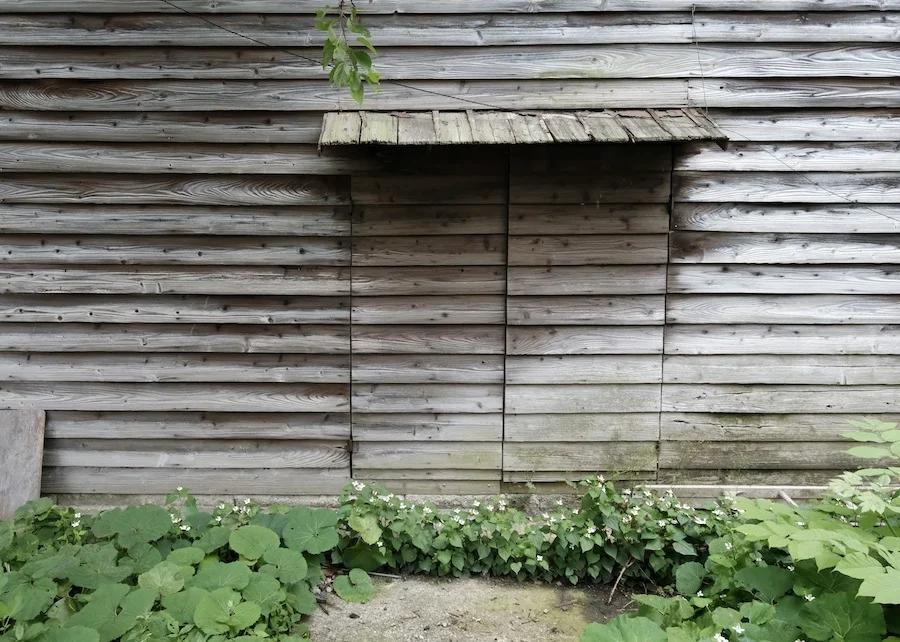
These are indeed 'ajisai'. Talked to someone right there who said so. (so it must be right) I much prefer this stage of bloom, rather than the later, rounded time.
Nearby there:


Someone I've sent flower pics commented about one or another that, "I like this one, it has context." (vs those that don't)
I think the sharper background in the first shot provides that context really well--in a way that makes it a good picture. And there's even a little suitable blur in the farthest back greenery, the ferns. (a good thing)
Bokeh, at least when done by cell phones--when created computationally by cell phones--might work to isolate and direct attention in portraits, but it can also make 'mistakes' when deciding what should and should not be in focus.
@thomas Are these phone pics?
I think the sharper background in the first shot provides that context really well--in a way that makes it a good picture. And there's even a little suitable blur in the farthest back greenery, the ferns. (a good thing)
Bokeh, at least when done by cell phones--when created computationally by cell phones--might work to isolate and direct attention in portraits, but it can also make 'mistakes' when deciding what should and should not be in focus.
@thomas Are these phone pics?

- 21 May 2003
- 14,310
- 4,404
Since I think you have a real camera, you probably know what depth of field is. On a 'real' camera, depth of field is affected (mostly?) by the focal length of a lens, and its aperture setting.
Long lenses (telephoto) have a shallower depth of field than wide angle lenses (shorter focal lengths). A wide open aperture (f1.4, f2, etc) yield a shallower depth of field (on any lens), while smaller apertures (when a lens is "stopped down") like f8 or f16, or f22, will allow for the 'deepest' depth of field. It's due to the physics of lenses and optics. This can be controlled for effect--bokeh--and it can be used to isolate a subject (portraiture, a flower) and direct the attention of the viewer. Pinhole 'cameras' have an extremely small aperture--one reason they can produce pretty sharp pictures.
But the lenses on phone cameras are small, more like pinhole cameras than the big, heavy glass used on 'real' cameras. And for many phone camera pics (previous generations of camera phones), they behave more like pinhole cameras--take a picture and everything will be in focus.
Google and apple and sony and so on are of course well aware of this, so their challenge is to use computational wizardry to 'fake' what a real camera will do naturally. They want to do that so that users will think they have a 'better' camera than the competition:

 www.dpreview.com
It's done computationally, rather than being a natural result of the various lenses (and apertures) available on 'real' cameras (this includes older film cameras and better digital cameras--DSLRs and so on).
blah, blah, blah...
***
(And sorry about this, but...) Note that in the second pic, the lilies are in focus. The one on the left is a little closer, on the right a little farther away. Can you see how sharp and nice the bloom on the right is--how sharp it is all over?
Now compare the one on the left. The closest part of the stamen(s) and the dark tips (anther) are nice and sharp, and the petals are, too, but look what has happened down at the 'core', where the petals come together --> blur.
And that part of the flower is probably in the same plane as the flower on the right, or depth-wise, the core of the left flower is likely between the closest in-focus elements (the anther), and the slight farther away parts of the flower on the right.
As such, on a 'real' camera, all those parts should be in focus. But for a phone camera, the chips and algorithms are trying to judge/approximate/guess what should be done with the light it captures. So a little bit of an oopsie moment for computational power.
@thomas One thing I've discovered is that there is less of this problem when using the telephoto lens (I think the decision-making is somehow easier for the phone's chips). Instead of getting close, or as close as might be possible, back off and go 2x (does iPhone 13 have 3x?, if so, try both). Fill the frame with the flower as usual, and compare later, on a larger screen. Experiment--take one shot as usual, then go 2x from back a little and repeat. Compare those on a larger screen, cropping a little so sizes are the same, etc. I'm usually happier with the tele/2x version.
Long lenses (telephoto) have a shallower depth of field than wide angle lenses (shorter focal lengths). A wide open aperture (f1.4, f2, etc) yield a shallower depth of field (on any lens), while smaller apertures (when a lens is "stopped down") like f8 or f16, or f22, will allow for the 'deepest' depth of field. It's due to the physics of lenses and optics. This can be controlled for effect--bokeh--and it can be used to isolate a subject (portraiture, a flower) and direct the attention of the viewer. Pinhole 'cameras' have an extremely small aperture--one reason they can produce pretty sharp pictures.
But the lenses on phone cameras are small, more like pinhole cameras than the big, heavy glass used on 'real' cameras. And for many phone camera pics (previous generations of camera phones), they behave more like pinhole cameras--take a picture and everything will be in focus.
Google and apple and sony and so on are of course well aware of this, so their challenge is to use computational wizardry to 'fake' what a real camera will do naturally. They want to do that so that users will think they have a 'better' camera than the competition:
Google reveals how to simulate shallow DOF from a single mobile camera
Google has published an 18-page study fully detailing its synthetic depth-of-field technology that makes its single-camera Portrait Mode possible. The in-depth paper shows a degree of openness and academic mindset unusual for the industry.
www.dpreview.com
It's done computationally, rather than being a natural result of the various lenses (and apertures) available on 'real' cameras (this includes older film cameras and better digital cameras--DSLRs and so on).
blah, blah, blah...
***
(And sorry about this, but...) Note that in the second pic, the lilies are in focus. The one on the left is a little closer, on the right a little farther away. Can you see how sharp and nice the bloom on the right is--how sharp it is all over?
Now compare the one on the left. The closest part of the stamen(s) and the dark tips (anther) are nice and sharp, and the petals are, too, but look what has happened down at the 'core', where the petals come together --> blur.
And that part of the flower is probably in the same plane as the flower on the right, or depth-wise, the core of the left flower is likely between the closest in-focus elements (the anther), and the slight farther away parts of the flower on the right.
As such, on a 'real' camera, all those parts should be in focus. But for a phone camera, the chips and algorithms are trying to judge/approximate/guess what should be done with the light it captures. So a little bit of an oopsie moment for computational power.
@thomas One thing I've discovered is that there is less of this problem when using the telephoto lens (I think the decision-making is somehow easier for the phone's chips). Instead of getting close, or as close as might be possible, back off and go 2x (does iPhone 13 have 3x?, if so, try both). Fill the frame with the flower as usual, and compare later, on a larger screen. Experiment--take one shot as usual, then go 2x from back a little and repeat. Compare those on a larger screen, cropping a little so sizes are the same, etc. I'm usually happier with the tele/2x version.
- 14 Mar 2002
- 21,050
- 18,904
- Thread starter
- #149
Agreed! For more "serious shots", I always use the tele setting (3x). iPhone 13 comes with three preset focal lengths: 0.5x (13mm), 1x (26mm), and 3x (77mm), but also allows to use "zoom" in between. The ajisai shot above was taken with the tele setting. Works better without dogs, lol.
- 6 Mar 2003
- 9,317
- 9,444
I only just realized this week that if you take a picture in portrait mode on the iPhone such that it blurs the background for a shallower depth of field, you can actually edit the f-stop in edit mode later to change the blur level of the background and even bring the whole shot back into focus if you want.Since I think you have a real camera, you probably know what depth of field is. On a 'real' camera, depth of field is affected (mostly?) by the focal length of a lens, and its aperture setting.
Long lenses (telephoto) have a shallower depth of field than wide angle lenses (shorter focal lengths). A wide open aperture (f1.4, f2, etc) yield a shallower depth of field (on any lens), while smaller apertures (when a lens is "stopped down") like f8 or f16, or f22, will allow for the 'deepest' depth of field. It's due to the physics of lenses and optics. This can be controlled for effect--bokeh--and it can be used to isolate a subject (portraiture, a flower) and direct the attention of the viewer. Pinhole 'cameras' have an extremely small aperture--one reason they can produce pretty sharp pictures.
But the lenses on phone cameras are small, more like pinhole cameras than the big, heavy glass used on 'real' cameras. And for many phone camera pics (previous generations of camera phones), they behave more like pinhole cameras--take a picture and everything will be in focus.
Google and apple and sony and so on are of course well aware of this, so their challenge is to use computational wizardry to 'fake' what a real camera will do naturally. They want to do that so that users will think they have a 'better' camera than the competition:
Google reveals how to simulate shallow DOF from a single mobile camera
Google has published an 18-page study fully detailing its synthetic depth-of-field technology that makes its single-camera Portrait Mode possible. The in-depth paper shows a degree of openness and academic mindset unusual for the industry.
It's done computationally, rather than being a natural result of the various lenses (and apertures) available on 'real' cameras (this includes older film cameras and better digital cameras--DSLRs and so on).
blah, blah, blah...
***
(And sorry about this, but...) Note that in the second pic, the lilies are in focus. The one on the left is a little closer, on the right a little farther away. Can you see how sharp and nice the bloom on the right is--how sharp it is all over?
Now compare the one on the left. The closest part of the stamen(s) and the dark tips (anther) are nice and sharp, and the petals are, too, but look what has happened down at the 'core', where the petals come together --> blur.
And that part of the flower is probably in the same plane as the flower on the right, or depth-wise, the core of the left flower is likely between the closest in-focus elements (the anther), and the slight farther away parts of the flower on the right.
As such, on a 'real' camera, all those parts should be in focus. But for a phone camera, the chips and algorithms are trying to judge/approximate/guess what should be done with the light it captures. So a little bit of an oopsie moment for computational power.
@thomas One thing I've discovered is that there is less of this problem when using the telephoto lens (I think the decision-making is somehow easier for the phone's chips). Instead of getting close, or as close as might be possible, back off and go 2x (does iPhone 13 have 3x?, if so, try both). Fill the frame with the flower as usual, and compare later, on a larger screen. Experiment--take one shot as usual, then go 2x from back a little and repeat. Compare those on a larger screen, cropping a little so sizes are the same, etc. I'm usually happier with the tele/2x version.


