


- 14 Mar 2002
- 21,050
- 18,903
The JR Yamanote Line, which circles through central Tokyo, will reach its centenary as a complete loop on the 1st of November. At a press conference held on the 7th of October, JR East president Yoichi Kise reflected on the milestone, saying he felt proud, as a railway professional, that the line had served for a century as one of the city's vital arteries. He also expressed a wish for the route to remain cherished not only by daily commuters and students but also as an enduring part of Tokyo's appeal to visitors.
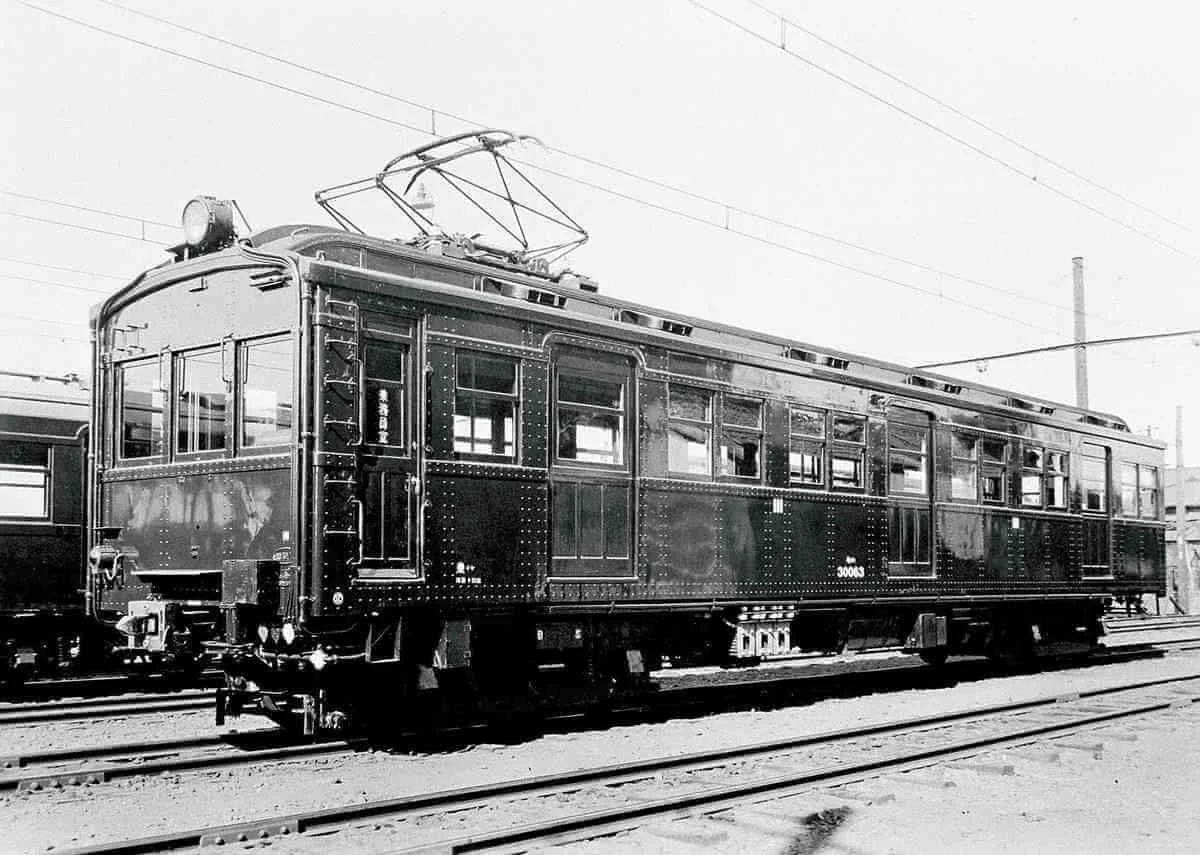
Yamanote Line P2 car in the early Showa period.
The Railway Museum in Saitama notes that the line's origins go back to the Shinagawa Line, which opened in 1885 between Shinagawa and Akabane stations. In 1909, this route was linked with the Toshima Line, which connected Tabata and Ikebukuro, and the merged service became known as the Yamanote Line.
For many years, expansion was limited by the dense maze of buildings between Tokyo and Ueno stations, preventing the creation of a continuous circuit. It was only after the devastation of the Great Kantō Earthquake in 1923 that reconstruction allowed for an elevated section to be built through the area. When this was completed in 1925, the Yamanote Line finally formed the 34.5-kilometre loop that still encircles the heart of Tokyo today.
JR East announced in September its goal of having Yamanote Line trains operate automatically, with no licensed driver on board, by 2035.

 japannews.yomiuri.co.jp
Yamanote Line P2 car in the early Showa period.
The Railway Museum in Saitama notes that the line's origins go back to the Shinagawa Line, which opened in 1885 between Shinagawa and Akabane stations. In 1909, this route was linked with the Toshima Line, which connected Tabata and Ikebukuro, and the merged service became known as the Yamanote Line.
For many years, expansion was limited by the dense maze of buildings between Tokyo and Ueno stations, preventing the creation of a continuous circuit. It was only after the devastation of the Great Kantō Earthquake in 1923 that reconstruction allowed for an elevated section to be built through the area. When this was completed in 1925, the Yamanote Line finally formed the 34.5-kilometre loop that still encircles the heart of Tokyo today.
Although the Yamanote Line once primarily transported freight, it later shifted its focus to passenger transport. After the Great Kanto Earthquake, many people relocated from central Tokyo to the western suburbs. Consequently, stations such as Shinjuku, Shibuya and Ikebukuro experienced a surge in commuters and students, particularly during the early Showa era (1926-89). As private railways also built lines originating from these stations, they developed into major terminals. The newest station on the Yamanote Line is Takanawa Gateway Station in Minato Ward, which opened in March 2020. A new era of urban development is steadily progressing nearby. Part of the redevelopment area around the station, Takanawa Gateway City, opened in March. JR East has positioned this area as a place of experimentation, based around ideas about what life might be like 100 years from now. Since September, an underground facility has been generating biogas from food waste in the area, for use in heating water at a nearby hotel.
JR East announced in September its goal of having Yamanote Line trains operate automatically, with no licensed driver on board, by 2035.
Yamanote Line to Mark 100th Anniversary of Loop Line Operations; After a Century, Line Continues to Develop
<p>The JR Yamanote Line, which circles central Tokyo, will mark the 100th anniversary of the start of its operations as a complete loop on Nov. 1.</p>
japannews.yomiuri.co.jp


