


- 14 Mar 2002
- 21,050
- 18,903
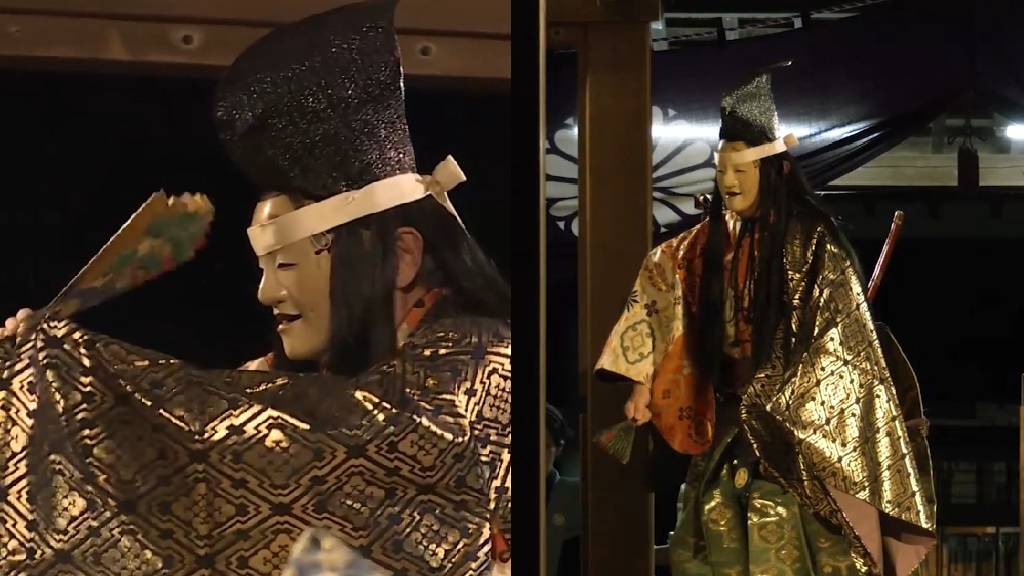
Noh theatre , a traditional Japanese art form with a deeply rooted male-dominated history, has witnessed a remarkable increase in female participation recently. Originating in 8th-century Japan, Noh is an intricate theatrical art characterized by elaborate costumes, handcrafted masks, and mythical narratives. While contemporary Noh has gradually opened its doors to female performers, they still constitute a minority among professional practitioners.
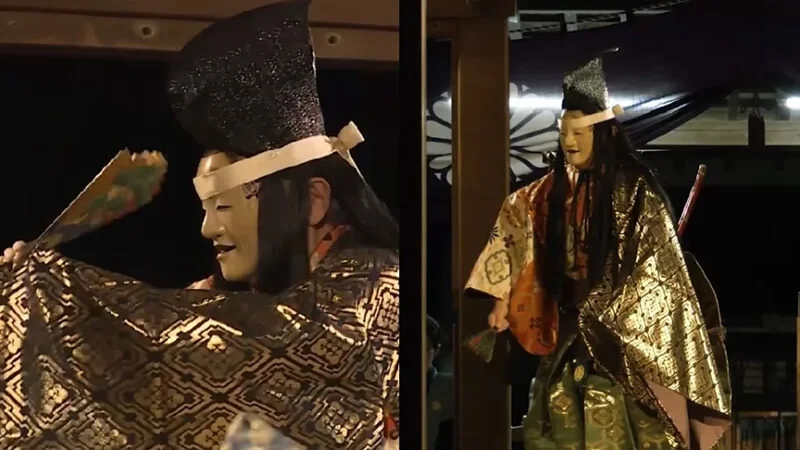
Actor Mayuko Kashiwazaki stands out as one of the few actively working to enhance the visibility of female Noh performers. Her recent staging of the classic Noh play "Dojoji" features a primarily female cast, underscoring the progress. However, the scarcity of female specialists persists, leading to certain roles—such as the "waki" (often portrayed as a priest or monk)—remaining exclusively played by men.
Although women currently represent only 15% of registered Noh actors and musicians, their presence signifies a shift toward inclusivity. Kashiwazaki attributes the limited opportunities for female performers to Noh's predominantly older audience, who perceive it as a masculine art form. This ongoing transformation reflects the evolving landscape of Noh theatre, where tradition meets progress. Additionally, women are making strides in the realm of Noh mask carving. Celebrated mask carver Mitsue Nakamura mentors a new generation of female apprentices, breaking barriers while adhering to centuries-old standards. Meanwhile, artisans Keiko Udaka and Shuko Nakamura explore innovative mask designs beyond the traditional norms.
In the related Kyogen theatre, which historically intertwines with Noh performances, gender disparities persist. Although no formal bans exist, a legacy of male exclusivity endures in this traditional Japanese comic theatre. Descendants of a kyogen lineage spanning 19 generations, such as the duo of Junko Izumi and Tokuro Miyake, are now challenging this male dominance in comedic art. The gradual inclusion of women in Noh theatre reflects artistic evolution and a broader societal shift toward greater equality and recognition of female talent.
 uk.news.yahoo.com
This trend also extends to other forms of traditionally male-dominated cultural spheres:
Actor Mayuko Kashiwazaki stands out as one of the few actively working to enhance the visibility of female Noh performers. Her recent staging of the classic Noh play "Dojoji" features a primarily female cast, underscoring the progress. However, the scarcity of female specialists persists, leading to certain roles—such as the "waki" (often portrayed as a priest or monk)—remaining exclusively played by men.
Although women currently represent only 15% of registered Noh actors and musicians, their presence signifies a shift toward inclusivity. Kashiwazaki attributes the limited opportunities for female performers to Noh's predominantly older audience, who perceive it as a masculine art form. This ongoing transformation reflects the evolving landscape of Noh theatre, where tradition meets progress. Additionally, women are making strides in the realm of Noh mask carving. Celebrated mask carver Mitsue Nakamura mentors a new generation of female apprentices, breaking barriers while adhering to centuries-old standards. Meanwhile, artisans Keiko Udaka and Shuko Nakamura explore innovative mask designs beyond the traditional norms.
In the related Kyogen theatre, which historically intertwines with Noh performances, gender disparities persist. Although no formal bans exist, a legacy of male exclusivity endures in this traditional Japanese comic theatre. Descendants of a kyogen lineage spanning 19 generations, such as the duo of Junko Izumi and Tokuro Miyake, are now challenging this male dominance in comedic art. The gradual inclusion of women in Noh theatre reflects artistic evolution and a broader societal shift toward greater equality and recognition of female talent.
Women are breaking barriers in Japan's male-dominated Noh theater
Noh theater, a traditional Japanese art form with a deeply rooted male-dominated history, has seen a notable rise in female participation in recent years. About the art form: Noh, an intricate theatrical art originating in 8th-century Japan, features elaborate costumes, handcrafted masks and...
This trend also extends to other forms of traditionally male-dominated cultural spheres:
Many festivals and folk rituals, which remain vital cultural treasures and community cornerstones throughout Japan, have begun embracing greater inclusivity by involving women in events previously exclusive to men. Some festival organizers view this as a way to preserve traditions threatened by population decline and pandemic hardships. Others are motivated by a desire for gender equality. Still, other reforms have come in response to the work of activists and women's groups across Japan.


