- 14 Mar 2002
- 21,050
- 18,903
For 3,000 years, female freedivers have been the subject of myth in the Mie Prefecture . But can their ancient traditions survive?
The FT on the Ama divers of Ago Bay and their changing role.
This article is also a plug for Amanemu, a minimalist luxury accommodation at Ago Bay.
Source: The secrets of Japan's Ama freedivers
The FT on the Ama divers of Ago Bay and their changing role.
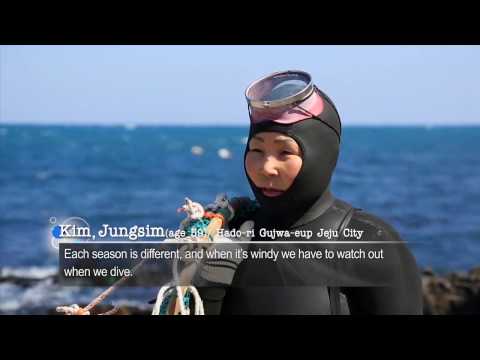
Ago Bay lies beneath a rolling coastline lined with lush green trees in the Mie Prefecture of Japan. A peninsula protects it from the Pacific, but on a windy day the sea turns white with waves and the trees shiver all the way up the bluff. It's here, in these waters, that you find the legendary Ama, the female freedivers who have sought pearls, lobsters, abalone and more for 3,000 years. That's the folklore, anyway; in any case they've been here for a long time. The Ama are a hearty group with an average age around 70; the eldest is a spirited 88 years old. They can stay under water for up to two minutes, which is far longer than I can. Traditionally they have worn isogi, a long white diving costume and headscarf. The whiteness suggests purity – the Ama appear almost angelic – but was also practical, as it was believed to ward off sharks. About 60 years ago, they relented and adopted the wetsuit, but only when they're in the water. While the men went out on their boats to fish, the Ama would dive. They carried stones around their waists that would help them sink to the bottom (these days they use weights); then they would search along the rocky ocean floor and, if they were lucky, find an oyster containing a pearl.
This article is also a plug for Amanemu, a minimalist luxury accommodation at Ago Bay.
Source: The secrets of Japan's Ama freedivers