Health Strep bacterial infections hit new record high in Japan

thomas

Unswerving cyclist
Admin
Joined
14 Mar 2002
Messages
21,050
Reaction score
18,903
Acute hemolytic streptococcal bacterial infections, characterized by their rapid progression and 30-70% fatality rate, are spreading in Japan at an accelerated pace compared to 2023—a year that already witnessed a record number of cases. Within the first two months of 2024, the patient count reached 40% of last year's total. While the exact reasons behind this surge remain unclear, the health ministry is intensifying monitoring efforts by studying strains known for their pathogenicity and infectiousness.
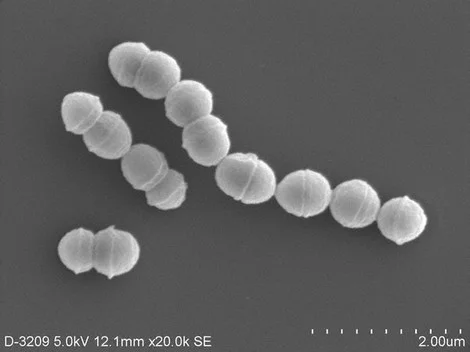


Group A hemolytic streptococcus bacteria


According to provisional figures from the National Institute of Infectious Diseases, there were 941 hemolytic streptococcus cases reported nationwide last year. The number of patients has continued to increase this year, reaching 378 as of Feb. 25. Cases have been confirmed in 45 of Japan's 47 prefectures, with only Akita and Iwate recording zero. Group A hemolytic streptococcus, which causes sore throats mainly in children, is a representative example among several pathogenic bacteria. Although infections often present similar symptoms to a cold, in rare cases and regardless of age, they can escalate to severe conditions including strep throat, tonsillitis, pneumonia and meningitis. Once the infection becomes acute, it can cause multiple organ failure and necrosis in tissue surrounding the muscles. According to the health ministry, it is unknown how infections escalate. However, the prevalence of sore throats among children since last summer is cited as a contributing factor in the increase in severe cases. Additionally, strains within Group A streptococcus known for their high pathogenicity, already widely reported in Britain, have also been confirmed domestically. In January, the ministry asked local governments to analyze strains collected from acute cases.


This week, overseas media have picked up on the streptococcal infections soaring in Japan, so much so that concerned family members enquired with us.

The National Institute of Infectious Diseases (NIID) said: "There are still many unknown factors regarding the mechanisms behind fulminant (severe and sudden) forms of streptococcus, and we are not at the stage where we can explain them." Provisional figures released by the NIID recorded 941 cases of STSS were reported last year. In the first two months of 2024, 378 cases have been recorded, with infections identified in all but two of Japan's 47 prefectures. [...] The National Institute of Infectious Diseases (NIID) said: "There are still many unknown factors regarding the mechanisms behind fulminant (severe and sudden) forms of streptococcus, and we are not at the stage where we can explain them."

Ken Kikuchi, a professor of infectious diseases at Tokyo Women's Medical University, says he is "very concerned" about the dramatic rise this year in the number of patients with severe invasive streptococcal infections. He believes the reclassification of COVID-19 was the most important factor behind the increase in streptococcus pyogenes infections. This, he added, had led more people to abandon basic measures to prevent infections, such as regular hand disinfection.


According to Japanese health authorities, travellers did not need to cancel trips to Japan despite an outbreak of a rare but potentially fatal "flesh-eating disease." Although cases of streptococcal toxic shock syndrome (STSS) are growing at an alarming rate, officials cautioned there was no need for panic. They said basic steps such as hand washing, wearing a face mask and keeping wounds clean effectively prevent infection. STSS is a rare, severe infection caused by the bacterium streptococcus pyogenes, which usually causes acute pharyngitis, or strep throat, in childhood.


Cases tend to surge in April and May when the new school term begins. The disease can rapidly cause necrosis of muscle tissue and multiple organ failure. Patients are mainly those in their 30s and older, and an estimated 30 percent of STSS cases end in death because symptoms can suddenly worsen. A record 941 cases of infection were reported in Japan last year, according to the National Institute of Infectious Diseases, citing preliminary figures. As of March 24 this year, 556 cases had already been reported nationwide.


Streptococcal toxic shock syndrome, a potentially fatal condition caused by a 'flesh-eating' bacterium, is spreading ever faster in Japan. In the first half of this year, there have been 977 cases caused by the bacterium Streptococcus pyogenes, which is commonly associated with strep throat but can also lead to limb necrosis and multiple organ failure. This surpasses last year's record of 941 cases—the highest annual number reported since mandatory tracking began in 1999.


By prefecture, Tokyo reported the highest number of cases at 145. Infections of more virulent and contagious strains of the bacterium are increasingly being reported, particularly in the Kanto region centering on Tokyo, the institute said. Ken Kikuchi, a professor specializing in infectious disease at Tokyo Women's Medical University, said foot wounds are particularly susceptible to streptococcal bacterial infection, and small injuries like blisters and athlete's foot can be entry points. It can take as little as 48 hours from infection to death in elderly patients, he said. "High fever accompanied by delirium or rapid swelling of wounds are dangerous signs," and immediate medical attention should be sought, he added.

 
Back
Top Bottom