


- 14 Mar 2002
- 21,050
- 18,903
Our household's score this year: Xmas cards sent: 0, nengajō sent: 0.
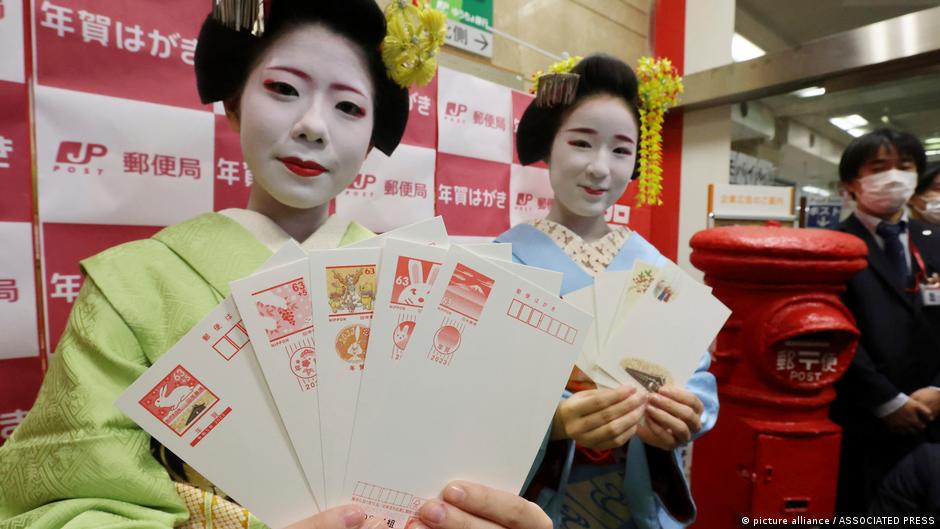
A Japanese year-end custom that dates back more than a thousand years is gradually fading as people have less free time, weaker ties to colleagues and a growing preference for sending greetings online. The tradition of posting nengajō New Year cards is declining quickly, with many people choosing social media or messaging apps instead as the year draws to a close.
Although some feel a sense of loss at the disappearance of a seasonal custom, most appear largely unconcerned. The number of nengajō sent has fallen steadily for years, dropping from almost 4.5 billion cards in 2004 to about 1.07 billion in 2025, with further declines expected. For some individuals, the shift has become personal. An academic living in Yamanashi Prefecture did not send a single card for the first time this year, after gradually reducing the number she sent annually. She had once written and mailed around 200 cards each year to colleagues, friends and relatives, but felt that changing lifestyles had made the practice harder to maintain.
 www.dw.com
A Japanese year-end custom that dates back more than a thousand years is gradually fading as people have less free time, weaker ties to colleagues and a growing preference for sending greetings online. The tradition of posting nengajō New Year cards is declining quickly, with many people choosing social media or messaging apps instead as the year draws to a close.
Although some feel a sense of loss at the disappearance of a seasonal custom, most appear largely unconcerned. The number of nengajō sent has fallen steadily for years, dropping from almost 4.5 billion cards in 2004 to about 1.07 billion in 2025, with further declines expected. For some individuals, the shift has become personal. An academic living in Yamanashi Prefecture did not send a single card for the first time this year, after gradually reducing the number she sent annually. She had once written and mailed around 200 cards each year to colleagues, friends and relatives, but felt that changing lifestyles had made the practice harder to maintain.
Even among those who have decided to stop sending cards, the sense of politeness and respect holds true. This year has seen the emergence of "nengajo-jimai," in which people inform the recipient that this will be the last year that they carry on the tradition and thank them for being a valued friend or colleague. "Yes, it is a little sad for me not to send cards and I am sure I will miss not receiving them on New Year's Day, but I am always so busy as the end of the year comes around and writing cards was always a bit of a last-minute rush," said Tomoko Hosokawa, a housewife from Saitama Prefecture, north of Tokyo. "I do make an effort to send messages via social media, and that's how everyone I know receives them now," she said. "Even my husband, who had to send hundreds of cards every year to business contacts and suppliers, hardly sends any now. It is just not as important even in the business world anymore."
Japan's 'nengajo' New Year card tradition losing its charm
A Japanese year-end rite that can trace its roots back more than 1,000 years is disappearing as people have less free time, feel less connected to work colleagues and prefer to send New Year greetings via social media.
www.dw.com
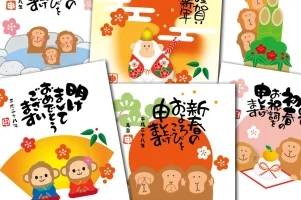
Nengajō-jimai (年賀状じまい) is the practice of letting people know that you are stopping the exchange of New Year cards. Traditionally, this was done by sending one last card to friends, colleagues or relatives to say that no more nengajō would be sent from the following year. This was seen as a polite way to avoid offending, especially in professional or long-standing relationships. The term has become more common in recent years as fewer people send New Year cards due to time pressures, cost, changing work relationships and the rise of digital communication. For many, nengajō-jimai reflects a broader shift away from obligation-based customs toward simpler, more personal ways of keeping in touch.
Holidays Oshogatsu (お正月) - Japanese New Year
New Year's or ō-shōgatsu (お正月) is one of the most important and most elaborate of Japan's annual observances. There are regional differences in customs, but what is common is that homes are decorated at this time, and families gather to spend the holidays together. Shrines and temples are...
- JREF
- 4.00 star(s) 1 ratings
- Comments: 5
- Category: Culture & Society


