- 14 Mar 2002
- 21,138
- 19,083
Any other イモ (薩摩芋 satsuma imo) lovers here? This autumn, we have grown addicted to Japanese sweet potatoes (the solid, undistilled ones). Since we have given up on unhealthy snacking, they are a nutritious snack replacement.

Japan's sweet potato exports have surged due to innovative preservation techniques and a focus on catering to diverse global markets:
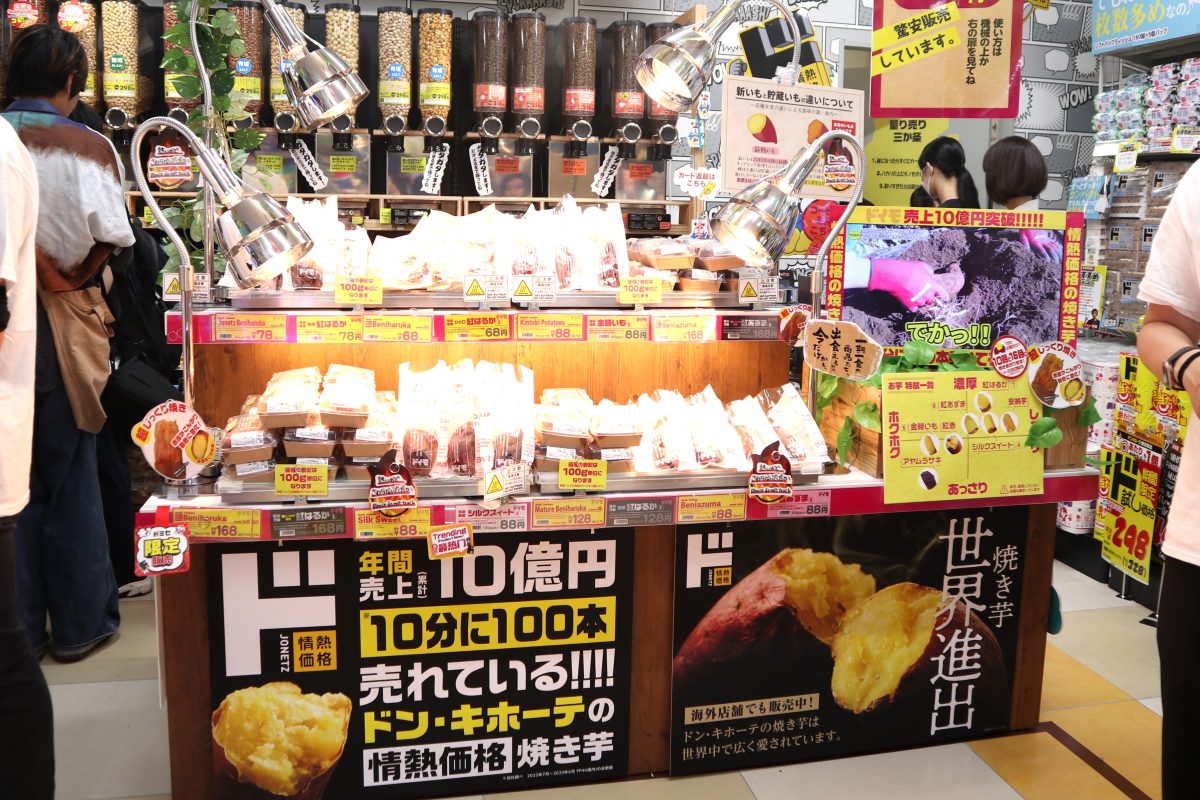
High-quality Japanese sweet potatoes are now being exported to various regions, including Asia, Europe, the United States, and the Middle East. In 2023, Japan exported 6,200 tons of sweet potatoes, a significant increase from the previous decade. The export value soared to 2.9 billion yen, nearly tenfold the earlier figure. The export surge, mainly since 2018, can be attributed to the popularity of Japanese sweet potatoes in Singapore, fueled by their introduction at Don Quijote stores. The company's PR official credits the high sugar content and quality of the selected potatoes for their success as a popular sweet treat. These sweet potatoes are served raw and baked at 47 Don Quijote outlets worldwide.
I asked Gemini whether sweet potatoes were healthy:
Note: While Japanese sweet potatoes are a nutritious food, it's important to consume them in moderation as part of a balanced diet.
Nutritional break-down (Wikipedia):
Cooked sweet potato (baked in skin) is 76% water, 21% carbohydrates, 2% protein, and contains negligible fat (table). In a 100-gram reference amount, baked sweet potato provides 90 calories and rich contents (20% or more of the Daily Value, DV) of vitamin A (120% DV), vitamin C (24% DV), manganese (24% DV), and vitamin B6 (20% DV). It is a moderate source (10–19% DV) of some B vitamins and potassium. Between 50% and 90% of the sugar content is sucrose. Maltose content is very low, but baking can increase the maltose content from between 10% and 20%.
Japan's sweet potato exports have surged due to innovative preservation techniques and a focus on catering to diverse global markets:
High-quality Japanese sweet potatoes are now being exported to various regions, including Asia, Europe, the United States, and the Middle East. In 2023, Japan exported 6,200 tons of sweet potatoes, a significant increase from the previous decade. The export value soared to 2.9 billion yen, nearly tenfold the earlier figure. The export surge, mainly since 2018, can be attributed to the popularity of Japanese sweet potatoes in Singapore, fueled by their introduction at Don Quijote stores. The company's PR official credits the high sugar content and quality of the selected potatoes for their success as a popular sweet treat. These sweet potatoes are served raw and baked at 47 Don Quijote outlets worldwide.
Kushima Aoi Farm, based in Miyazaki Prefecture, is Japan's leading exporter of sweet potatoes, accounting for 20% of the national total. The company employs about 100 workers, including a significant number of foreign nationals, to manage its 1,450-ton storage facility. Annually, Kushima Aoi Farm handles 10,000 tons of sweet potatoes, sourced from its own fields and 280 partner farms. Approximately 1,000 tons of these potatoes are exported to 11 countries and regions, primarily for sale in local supermarkets. To ensure product freshness during transportation, the company employs specific preservation techniques. The potatoes are stored in climate-controlled containers that maintain high humidity and temperature levels. This environment promotes the natural healing of any scratches or wounds on the potatoes, forming protective cork layers that prevent decay and spoilage during shipping.
I asked Gemini whether sweet potatoes were healthy:
Nutritional Powerhouse: Japanese Sweet Potatoes
Japanese sweet potatoes are not only delicious but also incredibly nutritious. They are a rich source of essential vitamins, minerals, and antioxidants. Here's a breakdown of their key nutritional benefits:- Vitamins and Minerals:
- Vitamin A: Essential for maintaining healthy vision, skin, and immune function.
- Vitamin C: A powerful antioxidant that boosts immunity and aids in iron absorption.
- Potassium: Helps regulate blood pressure and heart health.
- Manganese: Involved in various metabolic processes, including bone health and energy production.
- Copper: Essential for iron absorption and energy production.
- Fiber:
- It promotes digestive health and helps regulate blood sugar levels.
- Antioxidants:
- Help protect cells from damage caused by harmful free radicals.
Note: While Japanese sweet potatoes are a nutritious food, it's important to consume them in moderation as part of a balanced diet.
Nutritional break-down (Wikipedia):
Cooked sweet potato (baked in skin) is 76% water, 21% carbohydrates, 2% protein, and contains negligible fat (table). In a 100-gram reference amount, baked sweet potato provides 90 calories and rich contents (20% or more of the Daily Value, DV) of vitamin A (120% DV), vitamin C (24% DV), manganese (24% DV), and vitamin B6 (20% DV). It is a moderate source (10–19% DV) of some B vitamins and potassium. Between 50% and 90% of the sugar content is sucrose. Maltose content is very low, but baking can increase the maltose content from between 10% and 20%.