- 14 Mar 2002
- 21,050
- 18,903
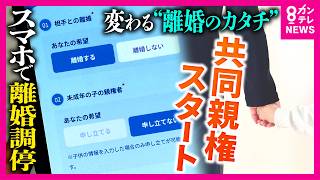
The Japanese government announced that it had approved an ordinance to implement revisions to the Civil Code, introducing a new system of joint child custody for divorced parents starting 1 April next year. The exact date will also mark the launch of a statutory child support framework that requires fixed payments when no agreement on financial support is reached at the time of divorce.
The reform aims to bring greater stability to children's lives after their parents separate. Under the new arrangement, parents will be able to decide whether to share custody or for one parent to retain it alone. If they cannot agree, the decision will rest with a family court, which will grant sole custody in cases involving domestic violence or abuse.
Also on 1 April 2026, the government will introduce a plan under which divorced individuals living with their children will be given the right to seize, on a priority basis, assets of their ex-spouses who fail to pay child-rearing expenses, with a limit of ¥80,000 per child per month.

 www.japantimes.co.jp
The reform aims to bring greater stability to children's lives after their parents separate. Under the new arrangement, parents will be able to decide whether to share custody or for one parent to retain it alone. If they cannot agree, the decision will rest with a family court, which will grant sole custody in cases involving domestic violence or abuse.
The joint custody system will require the consent of both parents on important decisions concerning their children, such as school enrollment or relocation. Even if a person is granted sole custody in a divorce before the revised code takes effect, it will be possible to petition for joint custody. Statutory child support will be defined as standard expenses required to maintain the minimum level of living for a child and can be claimed provisionally even if there is no agreement between divorced parents. A proposed ministerial ordinance calls for a statutory child support payment of ¥20,000 ($129) per month per child, but the amount is still under review. The payment obligation will not apply to couples who were divorced before the revised code's enforcement.
Also on 1 April 2026, the government will introduce a plan under which divorced individuals living with their children will be given the right to seize, on a priority basis, assets of their ex-spouses who fail to pay child-rearing expenses, with a limit of ¥80,000 per child per month.
Japan to introduce joint child custody system in April 2026
A system of statutory child support will also be introduced on the same date.