- 14 Mar 2002
- 21,109
- 19,018
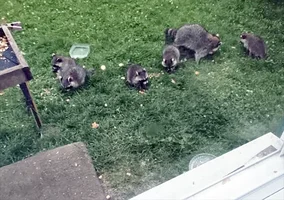
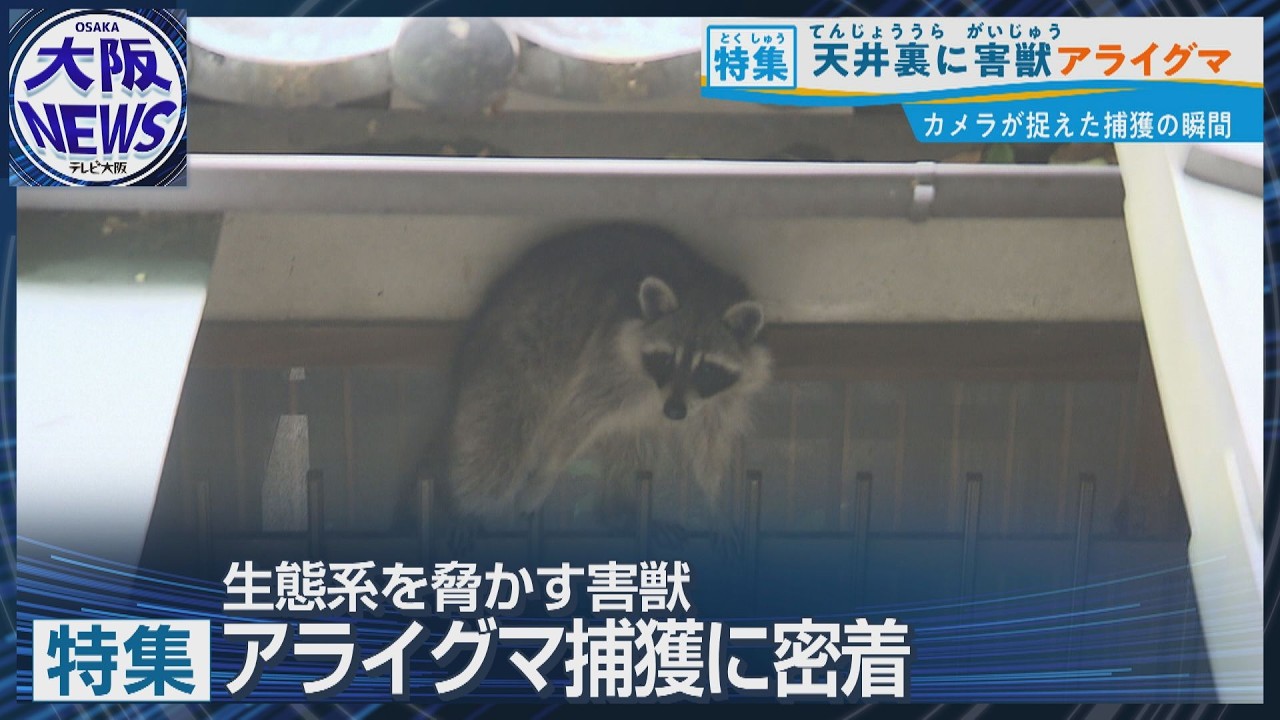
Raccoons are increasingly finding their way into homes across Japan, damaging roofs and electrical wiring and contaminating buildings with large amounts of urine and faeces. Their growing numbers are also causing concern over agricultural damage, native wildlife and the possible spread of disease.
Once raccoons have occupied a building, they are known to try to return repeatedly. This makes finding and completely sealing their entry points particularly important. Raccoons are not native to Japan. They were originally imported as pets during a boom in their popularity, but some escaped while others were released after their owners could no longer care for them. Wild populations have since spread across the country, including into major cities.
With few natural predators in Japan, their numbers have continued to grow. Crop damage has increased, while their omnivorous diet means they also prey on native species, raising concerns about the wider impact on local ecosystems. There are health concerns as well. Raccoons moving between forests and residential areas can carry ticks and other disease vectors with them, potentially bringing these into attics and other parts of people's homes.
Once raccoons have occupied a building, they are known to try to return repeatedly. This makes finding and completely sealing their entry points particularly important. Raccoons are not native to Japan. They were originally imported as pets during a boom in their popularity, but some escaped while others were released after their owners could no longer care for them. Wild populations have since spread across the country, including into major cities.
With few natural predators in Japan, their numbers have continued to grow. Crop damage has increased, while their omnivorous diet means they also prey on native species, raising concerns about the wider impact on local ecosystems. There are health concerns as well. Raccoons moving between forests and residential areas can carry ticks and other disease vectors with them, potentially bringing these into attics and other parts of people's homes.
[...] raccoon-related work is particularly busy from May through August. Local governments are also stepping up efforts to control the growing population. Kobe has launched the KOBE Raccoon Busters program, which teaches registered civic groups how to use capture cages and lends them the equipment. Around 20 groups are currently registered, and a reward of 3,000 yen is paid for each raccoon captured. City officials said raccoons are not native to Japan and pose risks to indigenous species as well as causing damage to homes and other property. The program is intended to increase the number of animals captured and gradually reduce the population. Capturing raccoons is regulated, however, and requires either a hunting license or authorization and registration under procedures established by local governments. Members of the public are not permitted to capture the animals without the necessary approval.
Raccoon Damage Surges Across Japan
Raccoons are increasingly invading homes across Japan, damaging roofs and wiring, contaminating buildings with large amounts of urine and feces, and raising concerns over agriculture, native wildlife and the spread of disease as their population continues to expand.
newsonjapan.com