- 14 Mar 2002
- 21,050
- 18,903
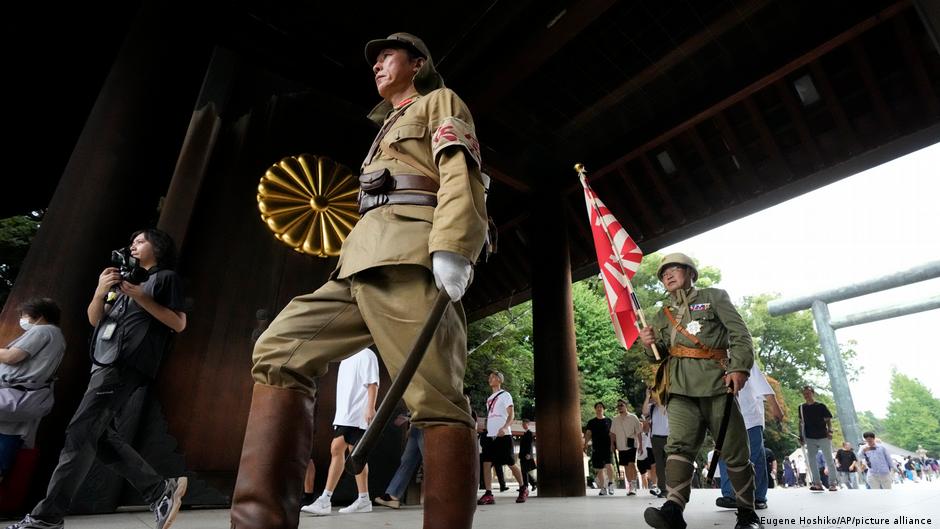
Japan commemorated the 80th anniversary of its defeat in the Second World War on Friday, with at least one cabinet minister among the thousands who visited a shrine regarded by many of Japan's neighbours as a potent symbol of its wartime aggression. Agriculture Minister Koizumi Shinjiro, who ran in the LDP's leadership race last year, paid an early-morning visit to Yasukuni Shrine. The shrine honours the spirits of 2.5 million war dead, including fourteen wartime leaders convicted of the gravest war crimes - eleven were convicted as Class A war criminals, one was convicted of Class B, two died before completing trial - as well as more than 1,000 others found guilty by Allied tribunals following Japan's surrender in 1945.
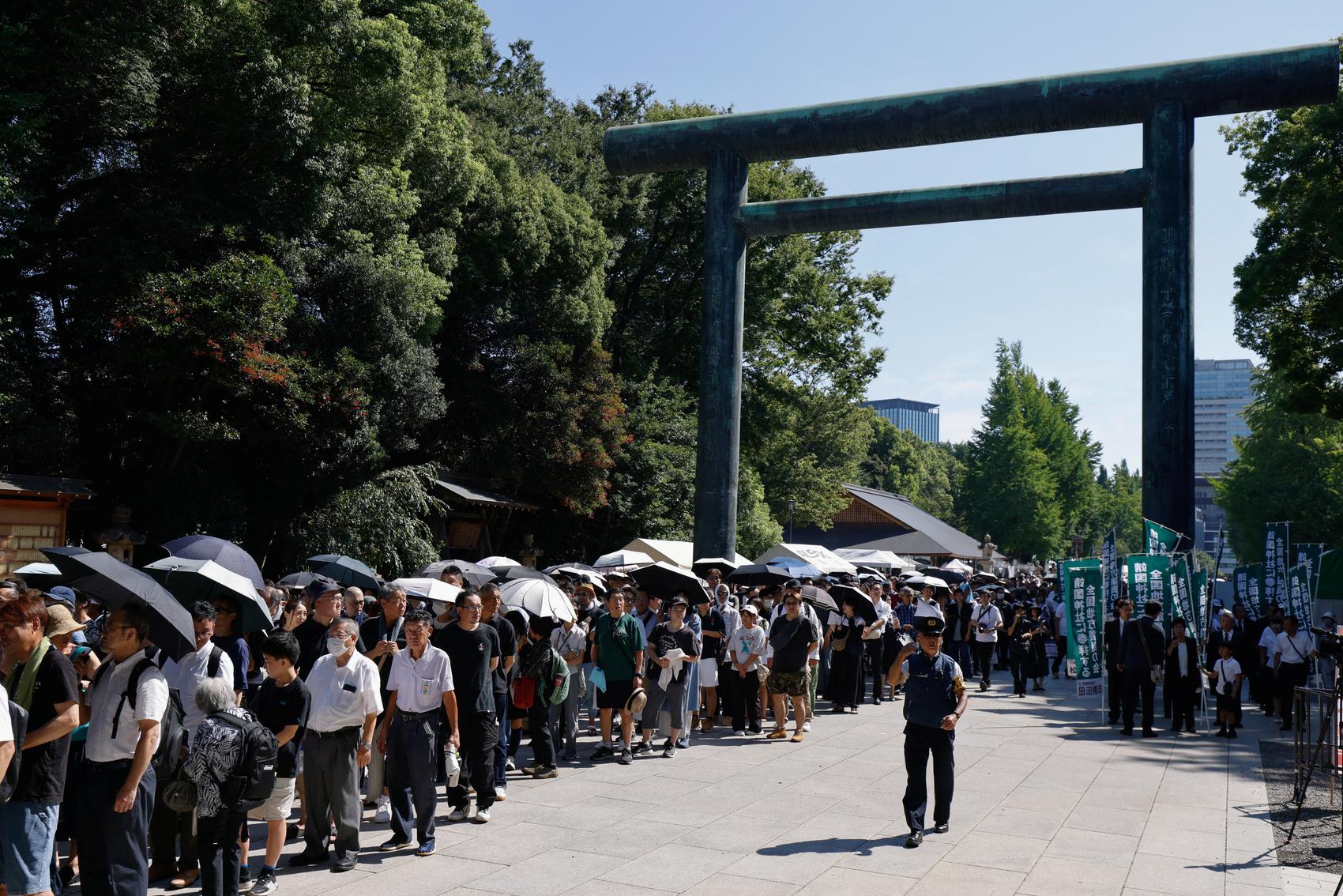
Photo credit: Yamada Manami (via Reuters)

 www.reuters.com
No surprise, Sanseito was represented with over 60 party members.

 mainichi.jp
 mainichi.jp
Photo credit: Yamada Manami (via Reuters)
China and South Korea have criticised past visits by senior Japanese officials that they say gloss over Tokyo's wartime actions and damage diplomatic ties. Supporters say the shrine honors all of Japan's war dead, regardless of their roles. No sitting Japanese prime minister has visited the shrine since Shinzo Abe in December 2013, drawing an expression of disappointment from then-U.S. President Barack Obama. The last premier to visit on the anniversary of Japan's surrender was Koizumi's father, Junichiro Koizumi, in 2006. Prime Minister Shigeru Ishiba on Friday sent an offering to the shrine, Kyodo News reported. Another offering he made in October provoked criticism from both South Korea, a Japanese colony for 35 years, and China, whose territories were occupied by Japanese forces in World War II.
Japan minister joins crowds at contentious shrine to mark 80 years since World War Two defeat
Japan marked the 80th anniversary of its World War Two defeat on Friday, with at least one cabinet minister joining thousands of visitors at a shrine that Japan's Asian neighbours view as a symbol of its wartime aggression.
No surprise, Sanseito was represented with over 60 party members.
Japan LDP's No. 2 Moriyama visits Yasukuni shrine ahead of WWII 80th anniv. - The Mainichi
TOKYO (Kyodo) -- Hiroshi Moriyama, the No. 2 figure in the ruling Liberal Democratic Party, visited the war-linked Yasukuni shrine on Thursday, a day
Abe aide Nishimura visits war-linked Yasukuni shrine - The Mainichi
TOKYO (Kyodo) -- Former industry minister Yasutoshi Nishimura, known as a close aide to the late Prime Minister Shinzo Abe, visited the war-linked Yas