


- 14 Mar 2002
- 21,056
- 18,911
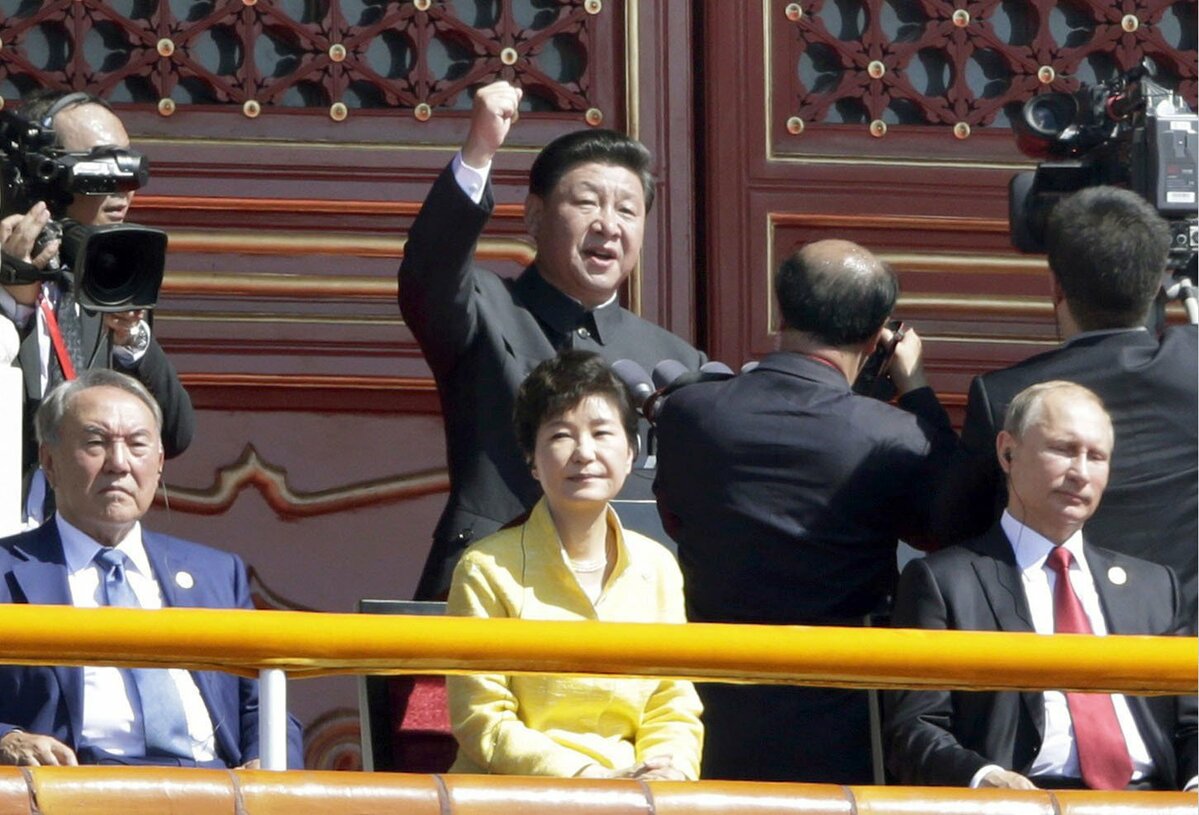
It started when the Japanese government urged several European and Asian nations not to participate in a military parade and related ceremonies that China is set to host next month to mark the 80th anniversary of the end of the Second World War. Tokyo is keen to curb the spread of Beijing's version of wartime history, with the parade scheduled for 3 September in Tiananmen Square to celebrate what China describes as its victory in the 1937-1945 "War of Resistance against Japanese Aggression" and the broader "World Anti-Fascist War." According to the sources, Japan has conveyed through its embassies that these commemorations carry strong anti-Japanese undertones, and it has advised other governments to weigh carefully whether their leaders should attend.
China formally protested Japan's call for other nations to stay away from the upcoming military parade.
 english.kyodonews.net

 www.reuters.com
Japan, on the other hand, protested mocking videos targeting Japan's wartime emperor, Hirohito, that have been spreading on Chinese social media, reflecting a surge in anti-Japanese sentiment ahead of the 3 September military parade marking the 80th anniversary of Japan's defeat in the Second World War. The clips, which use altered images of the late emperor—posthumously known in Japan as Emperor Shōwa—portray him in satirical forms such as a dog or a schoolgirl. Their circulation has drawn an official protest from Tokyo.
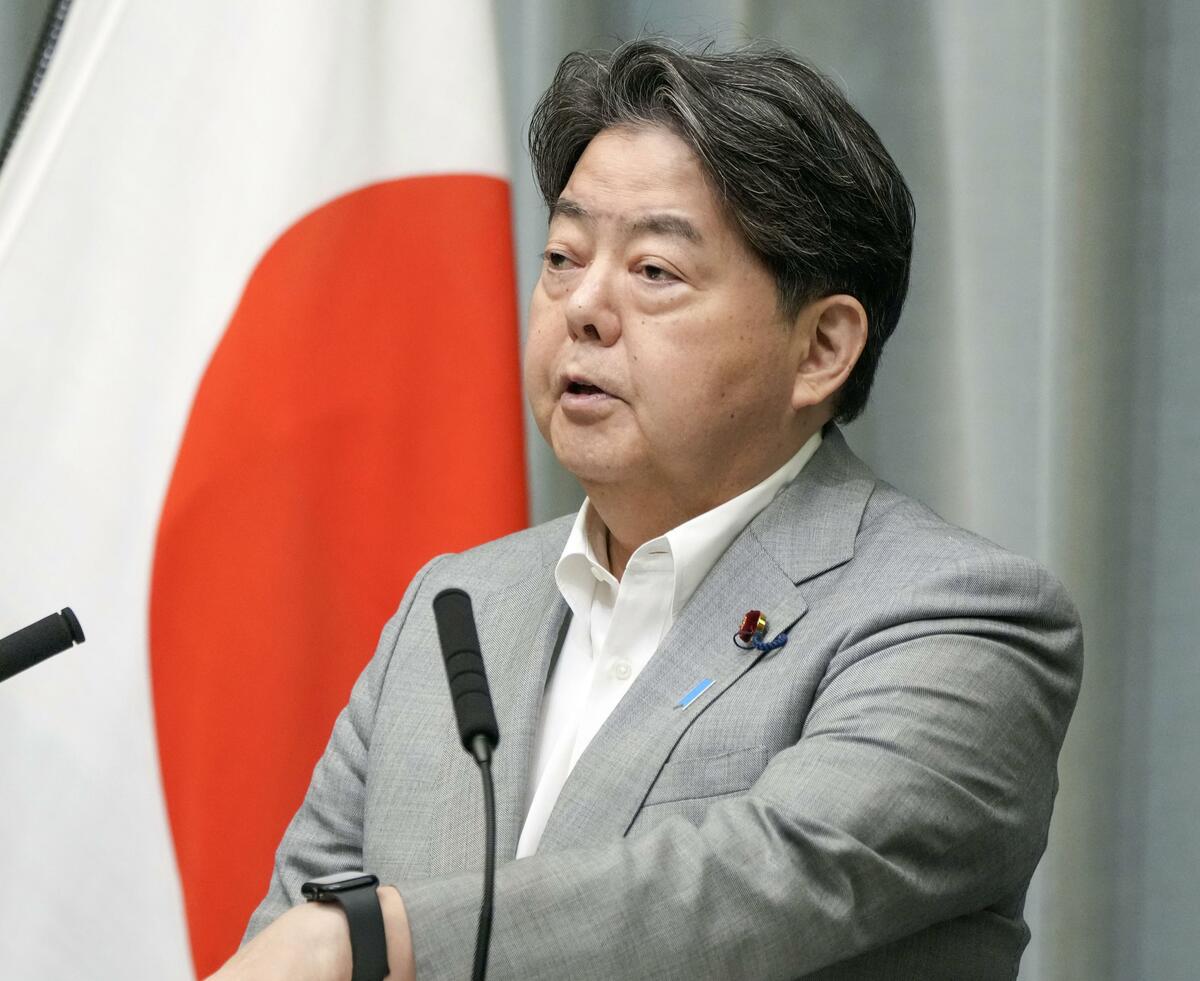
Chief Cabinet Secretary Hayashi Yoshimasa stated that the videos were "inappropriate," noting that Japan had raised the matter through diplomatic channels with Beijing. Later that same day, Chinese Foreign Ministry spokesman Guo Jiakun said officials were "still checking information" about the matter. Since online content in China is usually subject to strict monitoring, with posts considered inappropriate often deleted almost immediately, the fact that these videos remain accessible has fuelled speculation that the authorities are, at least for now, allowing them to circulate.
 english.kyodonews.net
Last, but not least, The Diplomat on the shifting narratives of WWII:

China formally protested Japan's call for other nations to stay away from the upcoming military parade.
Japan asked countries to skip China's WWII commemorative events in Sept.
The Japanese government asked European and Asian countries to refrain from attending a military parade and other events that China will hold next month to mark the 80th anniversary of the end of World War II, diplomatic sources said Sunday.
China lodges complaint over Japan urging countries not to attend parade
China's foreign ministry said on Tuesday that China had lodged solemn representations to Japan over the latter urging countries not to attend China's military parade scheduled on September 3.
Japan, on the other hand, protested mocking videos targeting Japan's wartime emperor, Hirohito, that have been spreading on Chinese social media, reflecting a surge in anti-Japanese sentiment ahead of the 3 September military parade marking the 80th anniversary of Japan's defeat in the Second World War. The clips, which use altered images of the late emperor—posthumously known in Japan as Emperor Shōwa—portray him in satirical forms such as a dog or a schoolgirl. Their circulation has drawn an official protest from Tokyo.
Chief Cabinet Secretary Hayashi Yoshimasa stated that the videos were "inappropriate," noting that Japan had raised the matter through diplomatic channels with Beijing. Later that same day, Chinese Foreign Ministry spokesman Guo Jiakun said officials were "still checking information" about the matter. Since online content in China is usually subject to strict monitoring, with posts considered inappropriate often deleted almost immediately, the fact that these videos remain accessible has fuelled speculation that the authorities are, at least for now, allowing them to circulate.
Videos ridiculing Japan wartime emperor posted on Chinese social media
Videos ridiculing Japan's wartime emperor, Hirohito, have circulated on Chinese social media as anti-Japan sentiment rises ahead of a military parade scheduled for Sept. 3 to commemorate 80 years since the neighboring country's defeat in World War II.
Last, but not least, The Diplomat on the shifting narratives of WWII:
The recent commemoration of the 80th anniversary of Japan's surrender in World War II prompted a wave of reflections on how Japan remembers its own wartime past. Far less attention, however, has been given to the perspectives of the nations Japan fought against, how they recall the conflict, and the extent to which their narratives intersect—or clash—with Japan's version of history. Over the years, China's perspective on its war with Japan has undergone considerable changes, while Japan's own narrative of its wartime experiences has also evolved. These changes have deepened the divide in how each nation remembers the conflict, a gap that continues to breed mistrust and heightens the chance of renewed friction between them.
China, Japan, and Shifting Narratives of War
During the Maoist period, China’s official framing of WW2 was remarkably similar to Japan’s. Not anymore.
thediplomat.com


