According to Perplexity:
Based on the genetic studies summarized in the search results, the genetic origins and relationships of Japanese people are complex, but some key points can be made:
## Genetic Origins of Japanese People
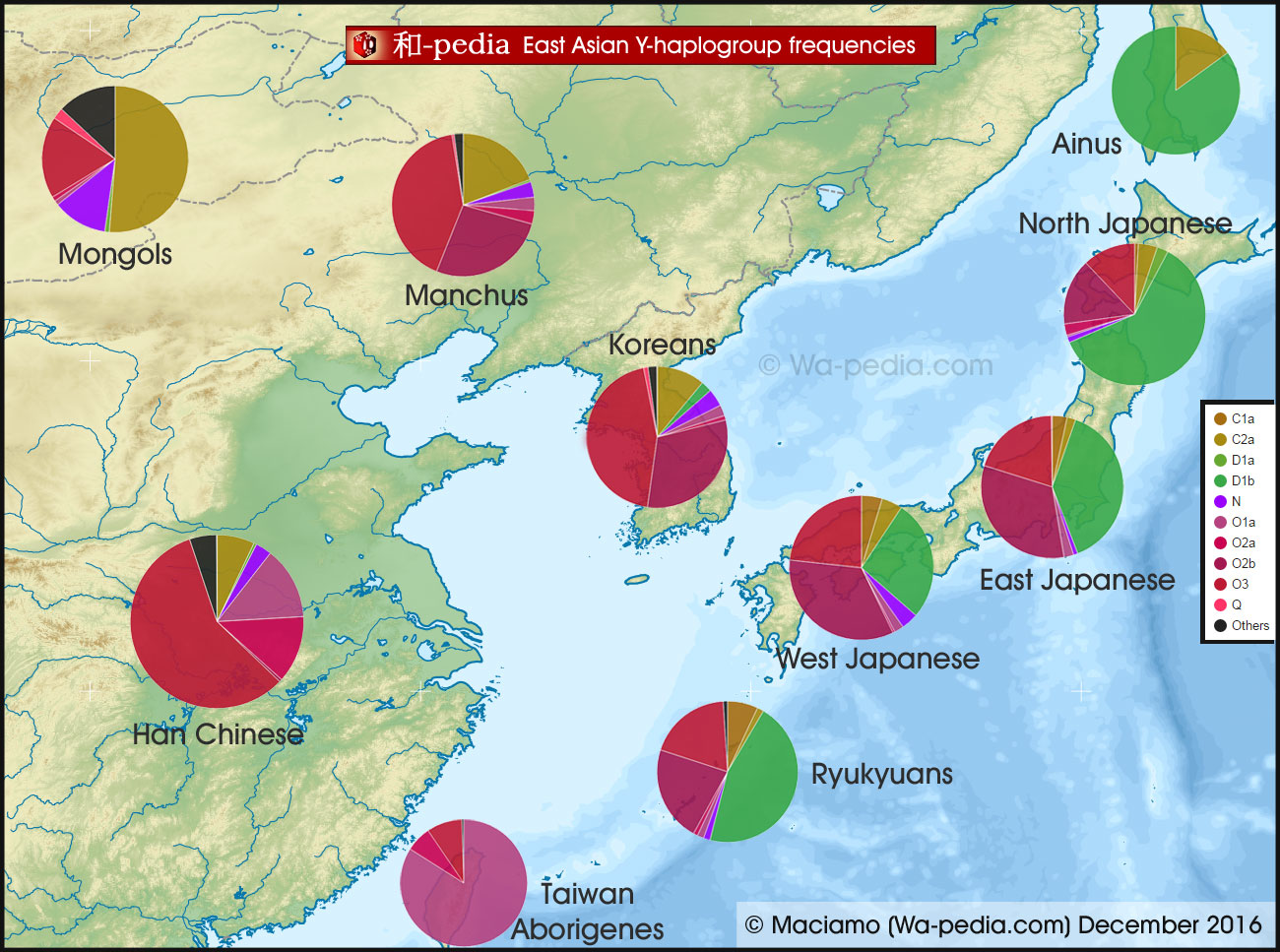
Japanese populations have a tripartite genetic origin, consisting of:
1. Jōmon ancestry (indigenous hunter-gatherer population)
2. Yayoi ancestry (associated with rice farmers from continental East Asia)
3. Kofun ancestry (later migrants, likely from the Korean peninsula)[3]
## Genetic Relationships
### Relationship to Southeast Asians
- Some craniometric studies have suggested similarities between Japanese and Southeast Asian populations[4].
- However, more recent genetic analyses do not show a particularly close relationship between Japanese and Southeast Asian populations.
### Relationship to Siberians and Altaic Peoples
- The Jōmon component of Japanese ancestry shows affinities with ancient Siberian populations[3].
- The Ainu people, who have high proportions of Jōmon ancestry, share "a closer genetic relationship with northeast Siberians" compared to other contemporary East Asian populations[1][5].
- The Yayoi and Kofun components, which make up the majority of modern Japanese ancestry, are more closely related to other East Asian populations than to Siberians[3].
## Conclusion
While Japanese people have some genetic connections to both Southeast Asian and Siberian populations, they are genetically closer to other East Asian populations, particularly Koreans and Han Chinese[2][4]. The Siberian affinity is primarily through the Jōmon component, which makes up a minority of modern Japanese ancestry (around 9-12%)[3]. The majority of Japanese genetic ancestry is more closely related to continental East Asian populations than to either Southeast Asians or Siberians.