


- 14 Mar 2002
- 21,050
- 18,903
Bonbon Drop stickers (ボンボンドロップシール), small decorative stickers sold in Japan, are usually soft pastel colours with rounded, candy-like designs. They are mainly found in stationery and variety shops, and much of their recent attention has come from social media rather than traditional promotion.
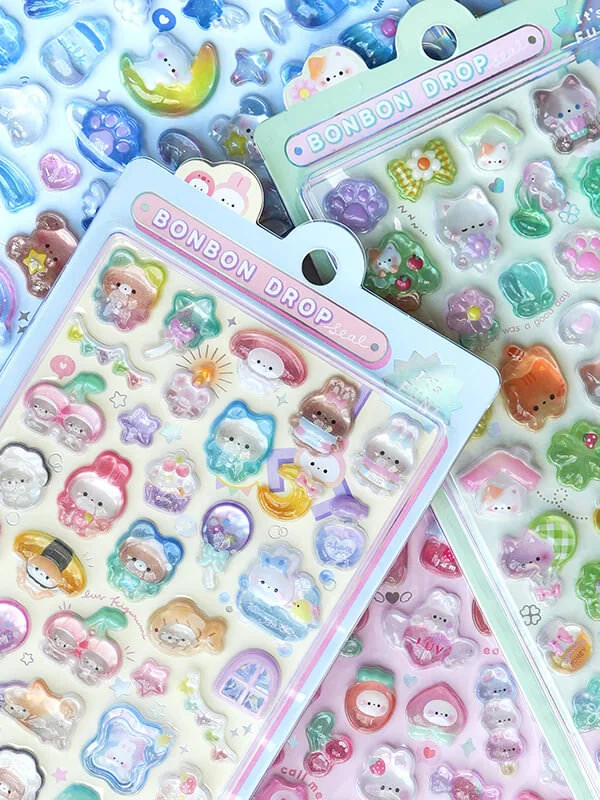
Interest grew after a post on X in December mentioning the stickers passed 110,000 views. Since then, many of the most popular sheets have been selling out nationwide. Resale listings often show prices four or five times higher than the original retail cost, while imitation versions have appeared on overseas sites and online marketplaces. Videos of people swapping or showcasing their collections regularly attract large audiences.
Collectors sometimes post images of rooms whose walls are covered in sticker sheets, turning a small hobby into a full display. Others spend more than ¥50,000 ($320) in a single shopping trip. The household goods chain Loft, which operates roughly 160 stores nationwide, reports that its top-selling products are out of stock at nearly all locations. Japanese media have begun to describe the surge as a broader consumer trend that includes many adult buyers, with some commentators linking it to a growing appreciation for kawaii aesthetics and a renewed interest in simple, face-to-face interaction alongside digital life.
Interest grew after a post on X in December mentioning the stickers passed 110,000 views. Since then, many of the most popular sheets have been selling out nationwide. Resale listings often show prices four or five times higher than the original retail cost, while imitation versions have appeared on overseas sites and online marketplaces. Videos of people swapping or showcasing their collections regularly attract large audiences.
Collectors sometimes post images of rooms whose walls are covered in sticker sheets, turning a small hobby into a full display. Others spend more than ¥50,000 ($320) in a single shopping trip. The household goods chain Loft, which operates roughly 160 stores nationwide, reports that its top-selling products are out of stock at nearly all locations. Japanese media have begun to describe the surge as a broader consumer trend that includes many adult buyers, with some commentators linking it to a growing appreciation for kawaii aesthetics and a renewed interest in simple, face-to-face interaction alongside digital life.
They are, in fact, so popular that a popular household adhesive known as "Bond" is disappearing from store shelves across Japan, with the shortage linked to a continuing boom in a trendy type of sticker that has become especially popular among younger consumers.
The craze centres on Bonbondrop stickers, which remain difficult to obtain nationwide, prompting fans to start making their own raised, puffy-style stickers at home using adhesives typically designed for securing model kit parts, and when the glue is applied to match an illustration's shape and left to dry, the result closely resembles the real product. Some enthusiasts have reportedly produced as many as 400 homemade stickers, with one hobbyist explaining that the trend began after their child complained about being unable to trade stickers with classmates because of shortages, prompting them to start creating original designs in large numbers as a solution. However, the surge in demand has also created unexpected supply issues, with hobbyists reporting that the specialised glue used for crafting the stickers has become difficult to find even after visiting multiple stores, while Konishi Co., the manufacturer behind the Bond brand, issued an apology on its official X account for products being out of stock. A visit to a craft store in Tokyo found that some outlets still had limited supplies after placing early orders in anticipation of demand, yet the surge in purchases has been dramatic, with one major retailer reporting sales roughly six times higher than usual and noting that the adhesive had never before been a primary or even secondary driver of sales.
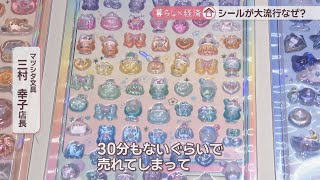
Self-Made Puffy Stickers Drive Unexpected Glue Shortages
A popular household adhesive known as “Bond” is disappearing from store shelves across Japan, with the shortage linked to a continuing boom in a trendy type of sticker that has become especially popular among younger consumers.
newsonjapan.com

Why stickers are the hottest commodity in Japan right now
The reemergence of the sticker boom may be more than just a fad.

3D 'Bonbon Drop' stickers hugely popular, sell out at many stationery stores in Japan - The Mainichi
OSAKA -- Notices such as,


