


- 14 Mar 2002
- 21,053
- 18,908
Eel, widely consumed in Japan as unagi, may soon be added to the list of species protected under the Convention on International Trade in Endangered Species (CITES), which governs and restricts international trade in vulnerable flora and fauna. The European Union is expected to decide by Friday whether to submit the proposal. If the listing proceeds, it could have a significant impact on Japan, which relies on imports for 70% to 80% of its eel supply.
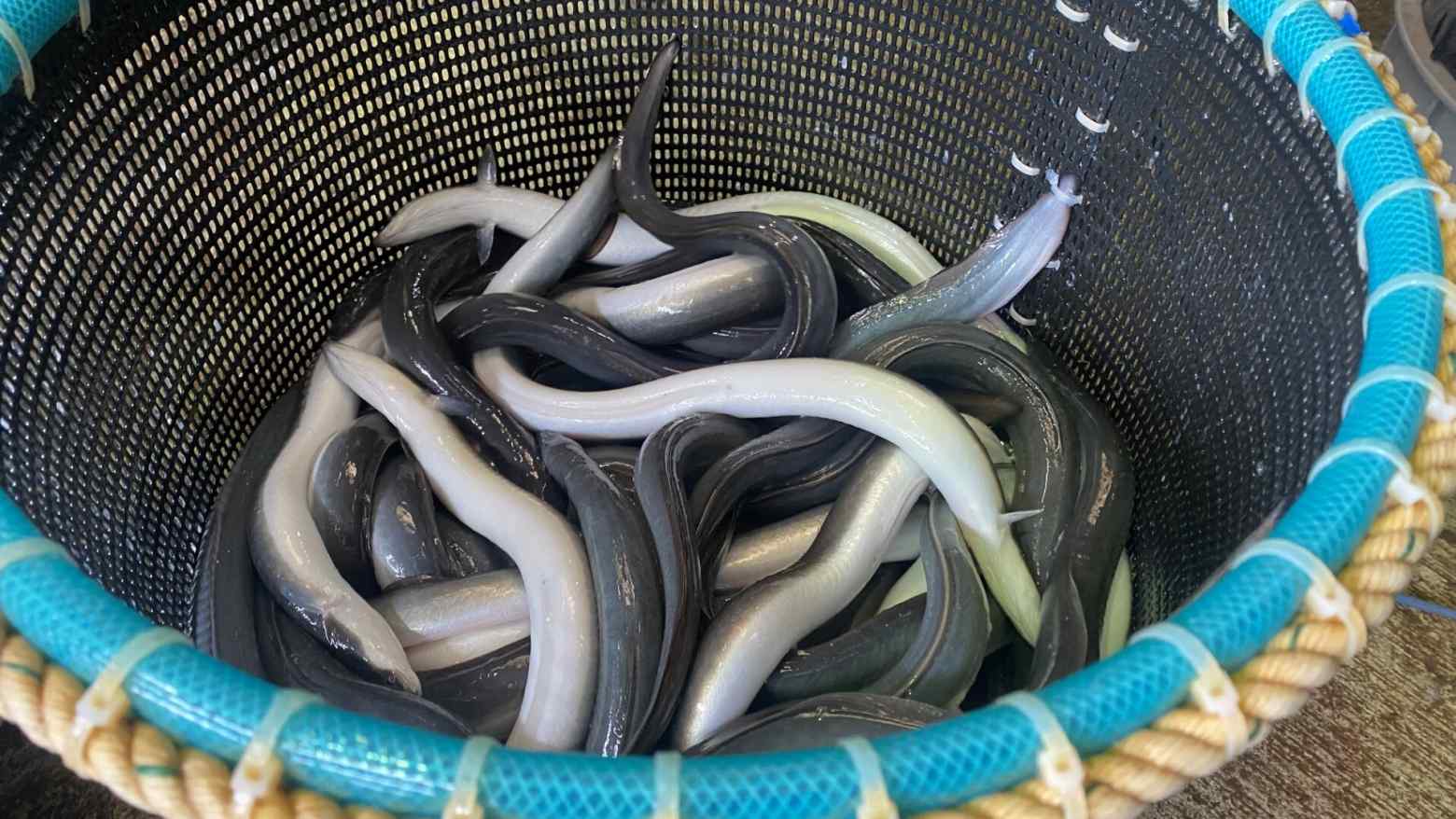
Photo credit: Sasaki Takumi via Nikkei
CITES—also known as the Washington Convention—aims to conserve wildlife by regulating cross-border trade. The upcoming CITES conference will take place in Uzbekistan from 24 November to 5 December. While the treaty already covers the European eel, the EU is now pushing to extend protection to 18 additional eel species, including the Japanese eel. Friday, 150 days before the conference, is the deadline for submitting such proposals.
Concern about the state of Japanese eels has existed for some time, and the species has been considered for protection under the Convention on International Trade in Endangered Species (CITES) before. China, Japan, South Korea and Taiwan -- all major fishing countries and regions -- have set caps on the amount of juvenile eels that can be used in aquaculture and promoted international resource management.
Paywall alert:

 asia.nikkei.com
Photo credit: Sasaki Takumi via Nikkei
CITES—also known as the Washington Convention—aims to conserve wildlife by regulating cross-border trade. The upcoming CITES conference will take place in Uzbekistan from 24 November to 5 December. While the treaty already covers the European eel, the EU is now pushing to extend protection to 18 additional eel species, including the Japanese eel. Friday, 150 days before the conference, is the deadline for submitting such proposals.
The EU argues the Japanese eel population has fallen sharply, meriting its inclusion. However, Japan's Fisheries Agency has submitted a written opinion to the EU, stating the Japanese eel population was sufficient and there was no risk of extinction because of international trade. The agency cited data saying the adult eel biomass was about 17,000 metric tons and has been recovering since the 1990s. Japan is the world's biggest eel consumer, but it imports between 70% and 80% of eels consumed from China. If listed under the treaty, international shipments would require permits issued by the exporting country based on scientific assessments.
Concern about the state of Japanese eels has existed for some time, and the species has been considered for protection under the Convention on International Trade in Endangered Species (CITES) before. China, Japan, South Korea and Taiwan -- all major fishing countries and regions -- have set caps on the amount of juvenile eels that can be used in aquaculture and promoted international resource management.
Paywall alert:
EU weighs adding eels to protected species list over Tokyo's objection
Trade restrictions could hit Japan as world's largest unagi consumer
asia.nikkei.com


