- 14 Mar 2002
- 21,053
- 18,908
Darned tourists: First, they contributed to the rice shortage, but now they are causing a matcha crisis.
Made from the leaves of the Camellia sinensis plant and originally served in a highly stylised fashion at formal tea ceremonies by masters of sado—the way of tea—matcha is the flavour profile of the times, the must-have ingredient in everything from lattes and chocolates to ice cream and boiled sweets.
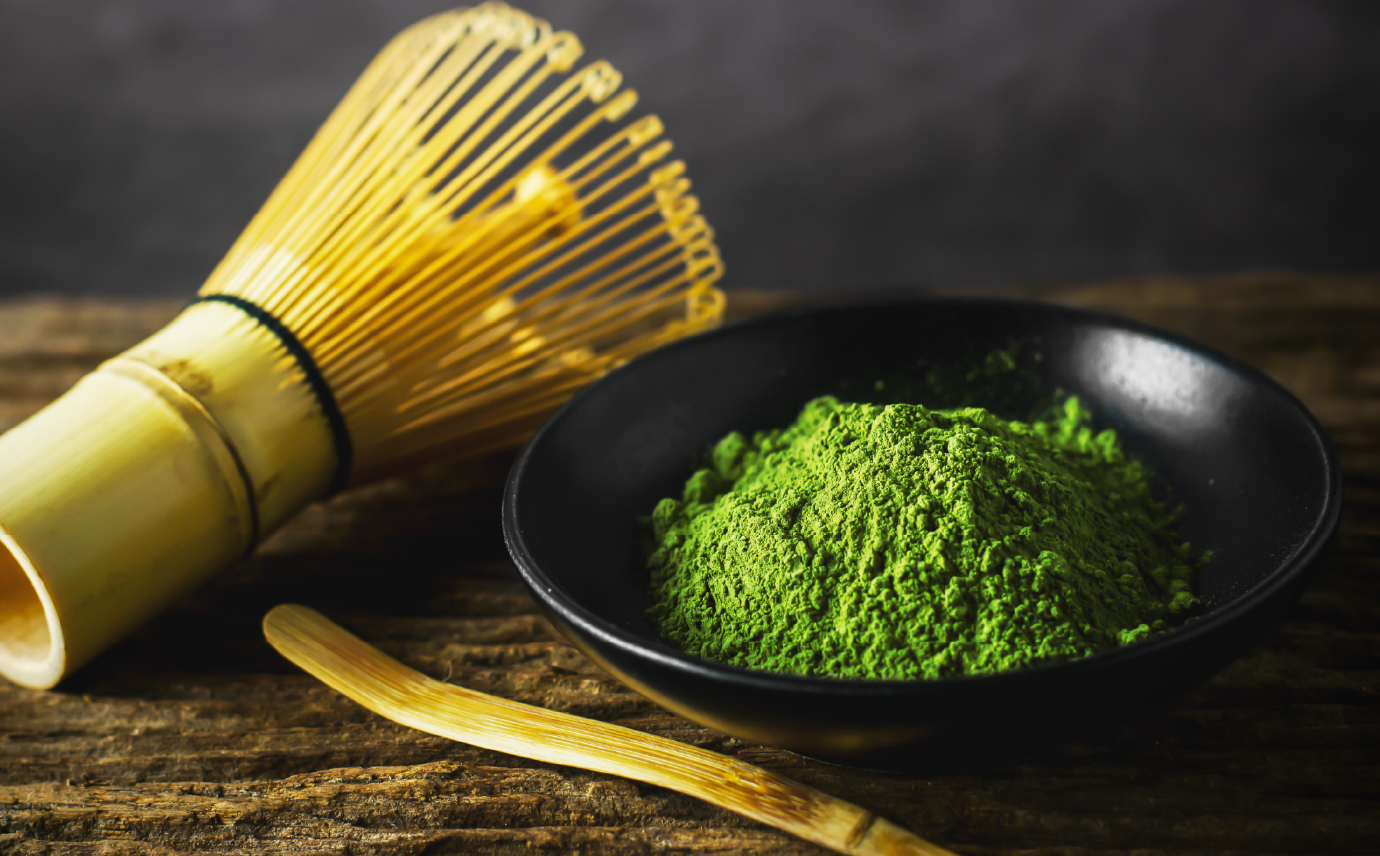
Yet the soaring global fascination with matcha presents a dilemma. Concerns over supply surfaced last autumn, leading tea producers in Kyoto to take the rare step of placing limits on purchases of the finely ground powder, a staple in Japan since its introduction by Buddhist monks from China in the 12th century.
Demand continues to climb rapidly in Europe, the United States and Australia, fuelling fears that shortages may worsen in the coming months. While consumption of loose-leaf green tea and matcha has been falling domestically, international enthusiasm shows no sign of slowing. Industry projections suggest the global market for matcha could grow from $2.8 billion (£2.2 billion) in 2023 to around $5 billion by 2028.
Data from the agriculture ministry shows that Japan produced 4,176 tonnes of matcha in 2023—nearly triple the output of 2010. With commercial opportunities expanding, the Japanese government is said to be preparing subsidies to encourage tea farmers to shift away from traditional sencha (煎茶) and increase production of tencha (碾茶), the shade-grown leaf used to make matcha.

 www.theguardian.com
Made from the leaves of the Camellia sinensis plant and originally served in a highly stylised fashion at formal tea ceremonies by masters of sado—the way of tea—matcha is the flavour profile of the times, the must-have ingredient in everything from lattes and chocolates to ice cream and boiled sweets.
The bright green matcha powder brings smiles, delighted reactions, and a sense of eager anticipation from the tea enthusiasts. After carefully grinding their tea leaves by hand, they are now ready to whisk the powder into hot water and enjoy the fruits of their effort. These international visitors, taking part in a matcha-making workshop in Uji near Kyoto in western Japan, share a deep appreciation for the powdered, slightly bitter green tea that has been a cornerstone of Japanese culture for centuries—and is now driving a worldwide trend. Following the downturn caused by the COVID-19 pandemic, Uji—renowned for its historical ties to the matcha trade—is thriving again. Riding a wave of record-breaking tourism in Japan, local businesses are embracing the matcha craze in full force. Restaurants have woven the green tea into their menus with flair, offering dishes like gyoza and takoyaki drizzled with matcha sauces and even "stamina" ramen topped with the nutrient-dense green powder. On a grey and rainy afternoon, cafés are overflowing with customers, and family-owned shops are doing brisk business selling locally grown tea, colourful canisters, and sweets inspired by matcha.
Yet the soaring global fascination with matcha presents a dilemma. Concerns over supply surfaced last autumn, leading tea producers in Kyoto to take the rare step of placing limits on purchases of the finely ground powder, a staple in Japan since its introduction by Buddhist monks from China in the 12th century.
Demand continues to climb rapidly in Europe, the United States and Australia, fuelling fears that shortages may worsen in the coming months. While consumption of loose-leaf green tea and matcha has been falling domestically, international enthusiasm shows no sign of slowing. Industry projections suggest the global market for matcha could grow from $2.8 billion (£2.2 billion) in 2023 to around $5 billion by 2028.
Data from the agriculture ministry shows that Japan produced 4,176 tonnes of matcha in 2023—nearly triple the output of 2010. With commercial opportunities expanding, the Japanese government is said to be preparing subsidies to encourage tea farmers to shift away from traditional sencha (煎茶) and increase production of tencha (碾茶), the shade-grown leaf used to make matcha.
‘Skyrocketing’ demand for matcha raises fears of shortage in Japan
Fuelled by social media, a global boom is outstripping production of the powdered green tea


 From what I understand, good business is about buying a commodity at one price, inflating it somehow and selling it a higher price.
 and BANZAI! you're a matcha millionaire.



 They did invent the stuff, having said that.