


- 14 Mar 2002
- 21,050
- 18,903
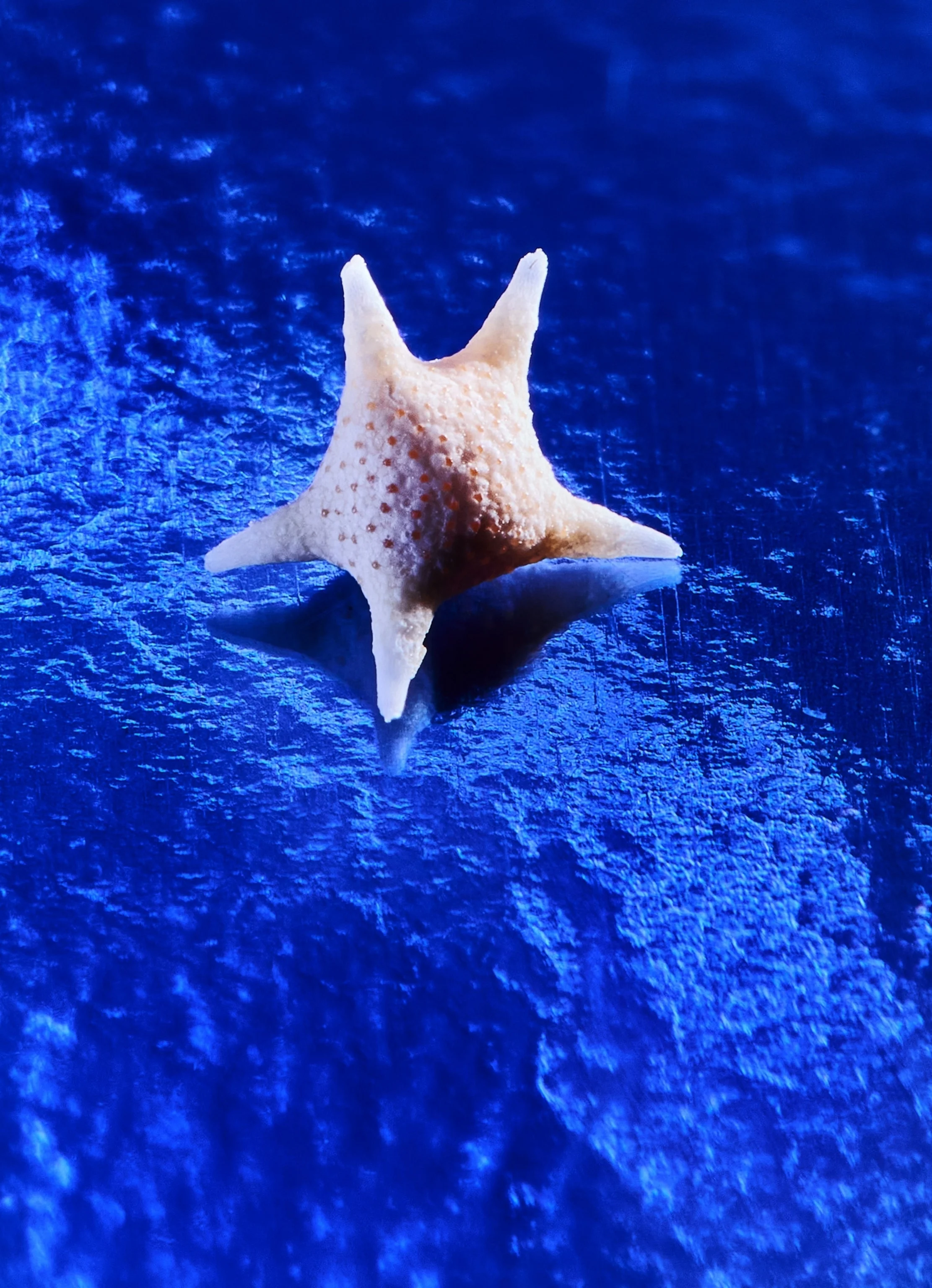
The beaches of Taketomi, Hatoma, and Iriomote Islands may appear ordinary initially, but a closer look reveals a hidden treasure: tiny, star-shaped grains of sand (星砂 Hoshizuna). According to Japanese folklore, these "star sands" are remnants of celestial bodies that fell from the sky and were transformed into marine life by the sea god. While the mythological origins are intriguing, science offers a more grounded explanation. These star-shaped grains are the fossilized remains of microscopic marine organisms known as Foraminifera. Unlike traditional sand, primarily composed of weathered rocks and minerals, star sand is a unique product of these single-celled creatures.


 www.nationalgeographic.com

 www.travelawaits.com
Found on the beaches of Okinawa, Japan, and across the South and West Pacific, this special sand is rare. "In Okinawa, some islands like Taketomi, Hatoma and Iriomote are famous for finding star sand," says Fujita, "but it is difficult to find in other islands." These tiny organisms have a special companion. "They have these little photosynthetic algal cells, called diatoms, that live inside the skeleton," says Wilson. The diatoms take in light and produce carbohydrates and oxygen. "So the individual bit of star sand—the individual skeleton—is a little community of the one big cell, the foraminifera, and all these tiny other cells that live within it," he says. The animal's star-shaped body has tiny threads that help channel light to the diatoms so they can make food. The star has little projections radiating out from the centre of the grain of sand, like the spokes of a wheel. "If you look at the tip of the projections, it's almost clear. The light shines through these channels inside the cell, and the diatoms live in those channels," says Wilson. "It's like fibre optics on the inside."
This isn't a starfish—it's a rare sand found only in Japan
Star sand is both a beautiful sight and a scientific marvel. Each grain once housed a tiny single-celled organism.
The Truth Behind Each Okinawa Star Sand Beach in Japan
One of the rarest forms of sand, star sand, is both a beautiful sight and a scientific marvel. Here's the intriguing story behind this sand.
www.travelawaits.com


