- 14 Mar 2002
- 21,056
- 18,912
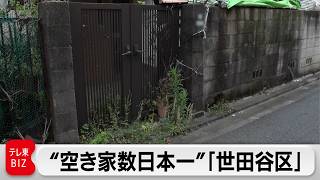
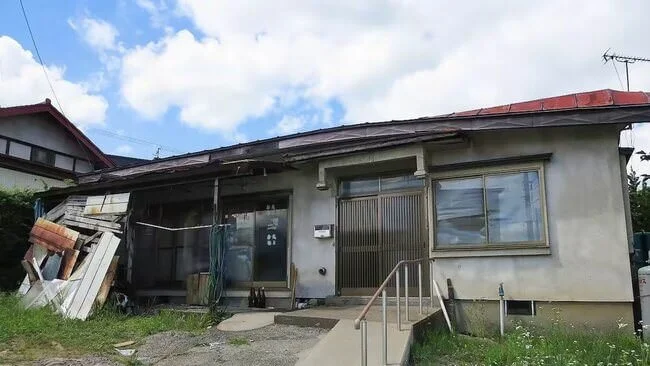
Alarmed by the vacant houses multiplying across Japan as the population shrinks, the Japanese government is considering levying punitive taxes on dilapidated buildings.
According to real estate consultants, the amended law will not have far-reaching effects: tax increases will not be powerful enough incentives to demolish vacant buildings as property taxes are low in rural areas. As long as the Japanese government gives generous tax incentives to new housing construction, the problem will remain unsolved.
Paywall alert:

 asia.nikkei.com
The number of vacant houses not serving a residential purpose has almost doubled during the past two decades, to nearly 3.5 million in 2018, according to an official housing survey, with the figure expected to reach 4.7 million in 2030. The government says these akiya, disused houses, could cause security and sanitary problems as they decay. [...] The proposed bill to amend the law -- approved by the cabinet in March and currently under Diet deliberation -- is expected to give authorities stronger control. Vacant houses usually gain a property tax reduction because they are still considered housing lots. But the amendment would eliminate the reduction for unkempt akiya, even if they are not specified as risky buildings. As a consequence, an owner's taxes on such properties could jump sixfold, according to the Ministry of Land, Infrastructure, Transport and Tourism.
Some experts say another contributing factor is Japan's relatively small market for existing homes. According to the ministry, unit transactions of pre-owned houses made up less than 15% of total housing transactions in 2018, in sharp contrast with the U.S. at 81% and the U.K. at 86%. "In this sense, vacant houses are an issue unique to Japan," a representative from Katitas, a Tokyo-listed company that purchases vacant houses, remodels them, then flips them, told Nikkei Asia. A woman in her 30s living in Tokyo, who recently sold a house in Akita Prefecture she inherited from her late father to the company, said she wanted to do away with it quickly due to the burden it would have on her. "It would be difficult to manage the house from afar, as the roof would need to be cleared of snow in winter."
According to real estate consultants, the amended law will not have far-reaching effects: tax increases will not be powerful enough incentives to demolish vacant buildings as property taxes are low in rural areas. As long as the Japanese government gives generous tax incentives to new housing construction, the problem will remain unsolved.
Paywall alert:
Japan proposes tightening rules against abandoned houses
Owners risk paying six times more in property taxes if they let homes rot
asia.nikkei.com