


- 14 Mar 2002
- 21,050
- 18,903
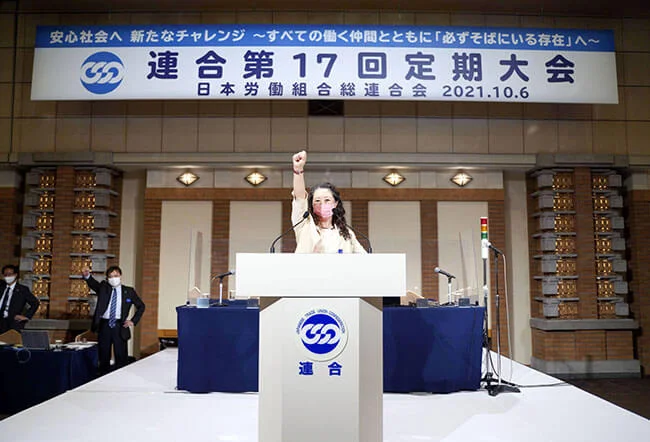
The NYT on Yoshino Tomoko (芳野友子), the new leader of RENGO, Japan's largest labour organization.

 www.nytimes.com
Women have never found a welcoming home in Japan's labor unions. Sexism is entrenched. Problems like wage discrimination and sexual harassment at work are often ignored. Many women, lacking a voice, have given up on the movement. So when Japan's largest association of labor unions, known as Rengo, appointed its first female leader last October, the excitement was tempered with a heavy dose of skepticism. The new chief, Tomoko Yoshino, knows the feeling well: After decades in the labor movement, she understands the failings of Japanese unions as well as anyone. But she's confident that she can make her appointment a powerful tool for reform. "The fact that I want to make gender equality a part of all of Rengo's activities has gotten a lot of attention," she said in an interview, adding that it had put pressure on the group's member organizations to "demonstrate real results." Proving that unions can be strong allies to working women is critical for the future of Japan's once-mighty labor movement, which has largely failed to attract women even as their numbers have rapidly expanded in the country's work force. To recruit female workers, unions will need to fight for measures that help women manage both their jobs and the heavy expectations they face outside work, including standing up for women facing sexual harassment and discrimination and pushing companies to provide more help with child care.
Japan’s Unions ‘Are Built Around Men.’ Can a Female Leader Change That? (Published 2022)
To attract working women, the once-mighty Japanese labor movement must prove it can be a strong ally on issues like child care and sexual harassment.


