How do you know... ON/KUN and beyond

Hey guys, just wanted to give a small update. I did decently well on my midterms and tomorrow after a midterm (only three more left!) I will have a nice long break so I will be doing a lot of Chapter 18! It has concepts that I am quite confused on so hopefully you guys can help me.

I'm also contemplating buying a Tablet PC, this will help me in school to draw structures and stuff as well as write out sentences in Japanese and stuff, I'll keep you posted on that.

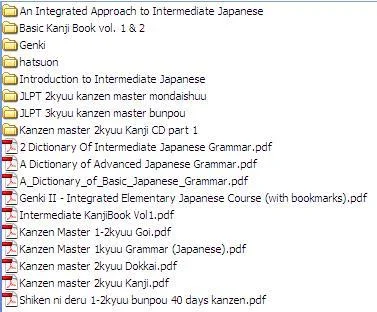
I also downloaded a TON of books.
68954283-1.webp


Saved myself a lot of money, haha. I did have to buy the "Integrated Approach to Intermediate Japanese" book for 70 dollars, along with the workbook. It's the step up after Genki II.

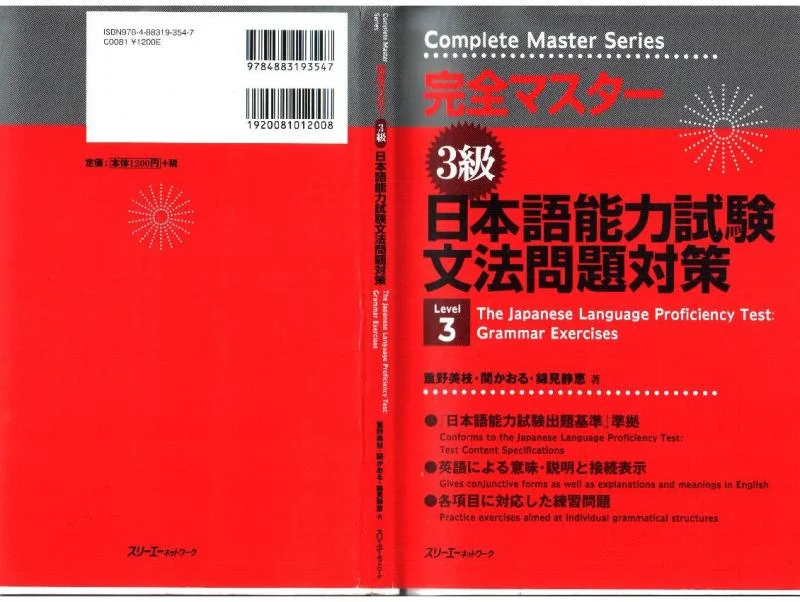
I think after the Integrated Approach, or between Genki II and then, I'm going to try doing this book.
26119979-1.webp


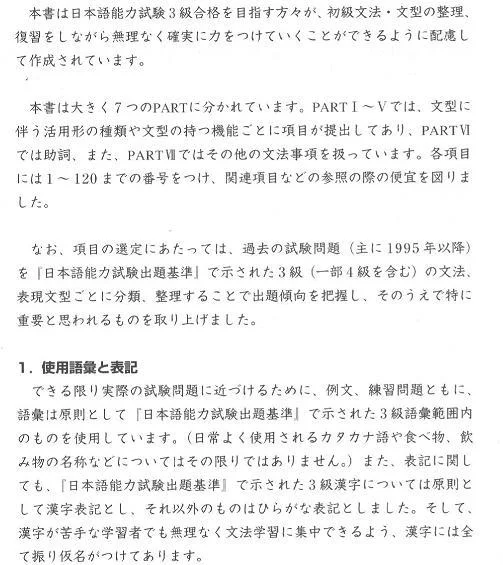
Except I can't read more than one word or recognize more than one character...
33456381-1.webp


I hope you can be patient with me! I'll be conversating with you guys soon!

--e

in using the Japanese keyboard I am faced with using hiragana input or romaji input. Which do normal computers use? Romaji is much more convienent but since I'm starting out I can easily adapt. But I still can't find the ? mark on the kana keyboard.
 
Last edited:
今日は!

I'm using the romaji input for this so hopefully, it isn't riddled with typos. Here are the first three images of 18. Unfortunately, we weren't told which were -ru and -u verbs so I had to twist the texts a lot to see which was "right".

untitledjpgt1256049424-1.webp


写真1
1.ドアを閉めます。
ドアが閉まります。
2.電気を付けます。
電気が付きます。
3.ろうそくを消しまる。
ろうそくが消えます。
4.ジンズを汚します。
ジンズが汚れます。
5.ロボトを壊します。
ロボトが壊れます。
6.犬を入れます。
犬が入ります。
7.猫を出します。
猫が出ます。

untitled1jpgt1256049449-1.webp


写真2
1.ドアを閉めます。
2.かばんで本を??? Not sure how to say "put".
3.ろうそくを消してください。
4.水を沸かします。
5.えんぴつが机で落ちます。
6.うちで犬が出ます。
7.窓が開きませんでした。
8.A.C.を付けます。
9.服を汚します。
10.ラジオを壊しました。

untitled2jpgt1256049488-1.webp


写真3
1.銀行が開いています。
2.喫茶店が閉まっています。
3.A.C.が付いています。
4.テレビが消えています。
5.What is happening in #5? A bread is in a basket. . .
6.ラジオが壊れています。
7.シャツが汚れています。
8.A park bench is empty...
9.お茶が沸いています。


ありがとう。
 
in using the Japanese keyboard I am faced with using hiragana input or romaji input. Which do normal computers use?
Romaji imput is more common.

写真1
2.電気を点/つけます。
電気が点/つきます。
(The kanji 点ける is used for "to turn on the light", or just kana.)
3.ろうそくを消しま
4.ジンズを汚しました
ンズが汚れました
5.ロボトを壊しました
ロボトが壊れました
(The present form would be odd for these cases.)

写真2
1.ドアを閉めました
2.かばん本を入れませんでした
4.水を沸かしています。
5.えんぴつが机から落ちました
6.うちから犬が出ました。/犬が家の外に出ました。
8.エアコン点/つけます。
9.服を汚しました

写真3
3.エアコン点/ついています。
5.What is happening in #5? A bread is in a basket. . .
Right. So the translation is?
8.A park bench is empty...
Or you can see a bill on the ground.
 
Wow, that's a lot of red. ありがとうございます。I'm going to use romaji. I noticed I miss the から before the fall, good catch.

As for #5, パンはバスケットの中で入っています。I intentionally put ha, this is okay, right? If not, I know to use が。

#8...um, 紙が落ちています。is all that comes to mind.

I do have a few more questions, but please make sure these are correct before I move on. I may ask my Japanese teacher tomorrow to show him my typing and such. Do you think it's important I move back to handwriting? I've forgotten a lot of Kanji and writing and Katakana, I'm so used to the computer!

Self Note: Review this post.
 
Last edited:
パンはバスケットの中入っています。
入っている is a state, so に is used here. は would act as a contrastive marker.

お金が落ちています。

I may ask my Japanese teacher tomorrow to show him my typing and such. Do you think it's important I move back to handwriting? I've forgotten a lot of Kanji and writing and Katakana, I'm so used to the computer!
No problem with using the computer, I think. It's sometimes hard even for natives to write kanji correctly, especially rarely-used ones.😌
 
Ah, thank you very much. So I should have left it as ga, and ni is used in states. Does this mean that we use it for 窶ーテウ窶堙ェ窶堙??堋「窶堙懌?堋キ as well? Or ehats anotjer example? I just remember ni being used as a particle with hairu like how ga is used with wakaru.
 
Ah, thank you very much. So I should have left it as ga, and ni is used in states. Does this mean that we use it for 壊れています as well? Or ehats anotjer example? I just remember ni being used as a particle with hairu like how ga is used with wakaru.
壊れています is a momentary verb, but it often takes wa. And I'm not sure what you mean by Ni?

 
Oh. I'm not sure when to use ni then, I thought that broken would be a state change. I'll go look at that post again but would kekkon shiteiru be a state change?

I made a few sentences to help myself understand better. If you wouldn't mind, please try translating what I said. Usually it's the other way around, but I think this approach is also good.

成績が良くないと落ち込んでいる

How do you say "become depressed"? 全然「なる」と「VERB」を見ますから。

I'm also having huge trouble with -nagara. My book lists this picture as the roots of -nagara and it makes sense to me, after I underlined the words.

84937358png-1.webp


映画を見ながら、食べ物を食べました.

What do you think I was trying to say here?

宿題をしながらテレビを見るのは大変ですよ.

Took it straight from the book.

昨日授業に行けばよかったです。

アルバイトがなければよかったです。

先生の手伝ってくれたのおかげでちょっと日本語を習いました

5. 先週ここに食べに行た時、このレストランの食べ物もおいしくない。。。また来なければ良かったです。
:?

---

トリトリベ様、エリスベズ様、みんあ様、来週は一年間日本語も勉強します!日本語を勉強しながら薬学を勉強するのが大変ですけど、日本語のほうが楽しいですよ。先生たちのおかげでゆっくり日本語をするのが上手になります。一年間に「げんき1」を終わって、「げんき2」を始めました。所で、「げんき3」をおととい買った。まず、もちろん、「げんき2」を終わらなくちゃいけません。新しい日本語の本を買うとうれしくなります!
 
Last edited:
Wow, that's a lot of red. ありがとうございます。I'm going to use romaji. I noticed I miss the から before the fall, good catch.

As for #5, パンはバスケットの中で入っています。I intentionally put ha, this is okay, right? If not, I know to use が。

#8...um, 紙が落ちています。is all that comes to mind.
パンは/が パンはバスケットの中にあります。

札は/が地面の上にあります。😌
 
パンは/が パンはバスケットの中にあります。

札は/が地面の上にあります。


I understand these all the way back from Chapter 4 of Genki, but the point here was to use transitive and intransitive verbs to describe actions that are taking place by the subject, or have taken place by the object itself with ている!
 
Oh. I'm not sure when to use ni then, I thought that broken would be a state change.
Sorry for lack of explanation.😌
に indicates "a place where something exists", whereas で does "a place where an action/movement occurs".

公園にベンチがある、猫が屋根の上にいる、廊下に立っている、椅子に座っている、、、
部屋でテレビを見ている、台所で料理をしている、公園で遊んでいる、、、

As for 壊れている, ラジオが机の上で壊れている might be acceptable, but 壊れたラジオが机の上に(置いて)ある; "there is a broken radio on the desk" would be more natural. You can say ラジオが机の上で壊れた; "the radio broke down on the desk", though.

I'll go look at that post again but would kekkon shiteiru be a state change?
Yes. The state changes from "single" to "married" (and still being married).

成績が良くないと落ち込んでいる

How do you say "become depressed"?
That exactly means 落ち込む/落ち込んでいる.

全然「なる」と「VERB」を見ますから。
Wmmm, this doesn't make sense.

映画を見ながら、食べ物を食べました.

What do you think I was trying to say here?
I ate (something) while watching a movie.

先生手伝ってくれたおかげでちょっと/少し日本語をおぼえました
の is not needed. 手伝ってくれたおかげで習いました sounds odd.

先週ここに食べに来た、このレストランの食べ物おいしくなかった。。。(また/もう一度)来なければ良かったです。


トリトリベさん、エリスさん、みなさん、(さん is better.;-))
日本語を勉強し始めて来週で一年になります。
日本語を勉強しながら薬学を勉強するの大変ですけど、日本語のほうが楽しいですよ。
先生たちのおかげで日本語が少しずつ上手になりました/なっています
一年(間)「げんき1」を終わって、「げんき2」を始めました。

たった一年ですごくうまくなってる!👍👍
 
I understand these all the way back from Chapter 4 of Genki, but the point here was to use transitive and intransitive verbs to describe actions that are taking place by the subject, or have taken place by the object itself with ている!
第4課を復習しましょう。:p It's for my own review. Because I also always have to consider the wa/ga difference in these location type sentences.

日本語の言い方と違う使い方がたくさんあるから....:sorry:

本当に文法や用法を間違っているかどうか よくわからなかった というわけでない。:p


It wasn't that I couldn't tell whether putrefaction-san had made a real mistake in grammar and usage. 😌
 
I'm also having huge trouble with -nagara. My book lists this picture as the roots of -nagara and it makes sense to me, after I underlined the words.

84937358png-1.webp


映画を見ながら、食べ物を食べました.
Nagara is after the less important action, or what the subject also happens to be doing simultaneously. Did you want to say you were eating while incidentally watching the film ? If that was the intent, the sentence doesn't need to be reworked. :-)

Just don't attach the「も」 particle to 「ながら」 to get a very formal way of saying "although." :-)
 
Sorry for lack of explanation.😌
に indicates "a place where something exists", whereas で does "a place where an action/movement occurs".

公園にベンチがある、猫が屋根の上にいる、廊下に立っている、椅子に座っている、、、
部屋でテレビを見ている、台所で料理をしている、公園で遊んでいる、、、

As for 壊れている, ラジオが机の上で壊れている might be acceptable, but 壊れたラジオが机の上に(置いて)ある; "there is a broken radio on the desk" would be more natural. You can say ラジオが机の上で壊れた; "the radio broke down on the desk", though.

This makes sense, the one I underlined.

Yes. The state changes from "single" to "married" (and still being married).

I think I will need to look at those verbs again.

That exactly means 落ち込む/落ち込んでいる.

So the -te iru form of 落ち込む means, "become depressed"?

I ate (something) while watching a movie.

I believe you are correct, the main was eating something, the "while" was watching a movie.

先生手伝ってくれたおかげでちょっと/少し日本語をおぼえました
の is not needed. 手伝ってくれたおかげで習いました sounds odd.

Hmm. I thought I took it straight from the book, guess I have more to learn.

先週ここに食べに来た、このレストランの食べ物おいしくなかった。。。(また/もう一度)来なければ良かったです。

Wow, this is pretty good, I understand it. The mo before the first comma, I didn't know that grammar.

トリトリベさん、エリスさん、みなさん、(さん is better.;-))
日本語を勉強し始めて来週で一年になります。

Hm, I haven't gone over the red sentence's structure yet either. Benkyoushi hajimete...I can understand the sentence, though, that's what I wanted to say.

一年(間)「げんき1」を終わって、「げんき2」を始めました。

De? Is this another rule I don't know?:?

たった一年ですごくうまくなってる!👍👍

ありがとう!!

日本語の言い方と違う使い方がたくさんあるから

nihongo no iigata to chigau tsukai kata ga takusan aru kara

(Because) There are a lot of different words and uses in Japanese? I think that is what it means.

Nagara is after the less important action, or what the subject also happens to be doing simultaneously. Did you want to say you were eating while incidentally watching the film ? If that was the intent, the sentence doesn't need to be reworked.

ありがとう!!!!
This is what I needed to cement it into my brain! Both you and Toritoribe were correct, I'm so happy!:-)
 
Last edited:
Oh, I'm sorry. I was wondering if these were too many new images, this is part two of the book. I have it all typed out, but it is better to focus on bits and pieces.

写真4
1.左の窓は開いています。
2.右の窓は閉まっています。
3.時計が壊れています。
4.電気が点いています。
5.T シャツは汚れています。
6.テレビが消えています。
7.お湯が沸いています。

untitled4jpgt1256249841-1.webp


写真5
1.もう宿題が終わってしまいました。(I didn't know how to say finished)

2.もうレポートを書いてしまいました。
3.もう本を読んでしまいました。
4.もう日本語のテープを聴いてしまいました。
5.もう部屋を掃除してしまいました。
6.もうこのビデオを見てしまいました。


As I understand it, these can all be taken as a meaning of sorrow, correct? So one could interpret the last sentence as "I regrettably saw the video"?

untitled5jpgt1256250201-1.webp


写真5
1.友達にラジカセを借りましたが、壊してしまいました。
2.給料をもらったんが、費やしてしまいました。
3.急いでいたので、転んでしまいました。
4.昨日寒かったんが、風邪を引いてしまいました。
5.昨日あまり寝なかったんが、授業で寝てしまいました。
6.ゆみさんが好きだったんが、(彼女は)結婚して(いて?)しまいました。
7.昨日までに家賃を払わなくちゃいけなかったんが、忘れてしまいました。
8.朝寝坊したので、電車を(miss a train?)。
I underlined the made ni because I know made means until, so is this marking a time until which (events)?

untitled6jpgt1256250622-1.webp


写真6
1.もうレポートを書いてしまいました。
2.もうこの本を読んでまいました。
3.あまりお金がないけど高いシャツを買ってしまいました。
4.父の車を貸すんが、壊してしまいました。
5.友達が約しなかったんが、(Fight? Argument?)

6.仕事を止めててまいまたんが、今仕事がない。
This was semi-difficult because just writing it, I had to interpret some things as regret and some things as completed. Plus, the underlined ones I just have no idea on...sorry!

untitled7jpgt1256251132-1.webp


写真7
1.友達が本を貸してくれたけどなくちゃった。
2.奨学資金をもらったんが、このもらった金で車を買っちゃった。

3.
4.
5.授業に行きたくなかったんが、サボしちゃった。
6.朝寝坊したので、遅くな行っちゃった。
If you can just give me the verbs for #3 and 4, I should be able to put it together...these were hard excersizes!

もう第19課を始めています!敬語はちょっと難しいです。
 
日本語を勉強し始めて来週で一年になります。
日本語の勉強(を)始めて来週で一年になります。

It may be a bad habit, this is just what I've picked up over the years. It was something here actually...just a while back I need to check again, re: the relative naturalness of: 😌

日本語を勉強する 対 日本語の勉強をする。


先週ここに食べに来た時も、
When I was also here last week...


一年(間)で
In a year

一年(間)= For a year

壊れたラジオ
Radio that broke (Broken radio)

壊れているラジオ = Radio that is broken

Same meaning with the weird English translation that would be "Radio that is broken on the table."

日本語の言い方と違う使い方がたくさんあるから

nihongo no iigata to chigau tsukai kata ga takusan aru kara

(英語には)、日本語の言い方と違う使い方がたくさんあるから

I meant と違う as "different from" in this case. In which case it's also good lesson sentence. ;-)
 
日本語の勉強(を)始めて来週で一年になります。

It may be a bad habit, this is just what I've picked up over the years. There was something a while back I need to check again on the relative naturalness of: :relief:

日本語を勉強する 対 日本語の勉強をする。

What was the huge difference? One is saying this is what I study (the first one), the other is saying Japanese's study?


In a year

一年(間)= For a year

So ichinende is "in a year", ichinen ni ichi do is "once a year"?
Radio that broke (Broken radio)


壊れているラジオ = Radio that is broken

Radio that is broken of it's own accord, right? 壊[FONT=&quot]し[/FONT]ているラジオ would mean "a radio that I broke"?

ありがとう!
 
Radio that is broken of it's own accord, right? 壊[FONT=&quot]し[/FONT]ているラジオ would mean "a radio that I broke"?

ありがとう!
Yeah, 壊れる is intransitive. So たとえば、、ラジオが倒れて壊れた。(Fell and broke)

If the subject is a thing that requires outside force to comes apart, physically rather than mechanically or computationally or institutionally etc, though, I suppose without context the general understanding of スタンドが壊れた for instance (The lamp broke) would normally fall to 壊された = was broken (actor unknown ). A sort of more agreeable sounding idiom or euphemism. So obviously transitive verbs can very slyly be employed to make a person culpable for accidental or willful damage while intransitives can allow for evasion of such responsibility. Even if no one pretends to believe a fallen lamp came about naturally....;-)

壊す = Someone destroyed/broke/smashed it. 私が買ったラジオを弟が壊してしまった。(Little brother mutilated).

このラジオが壊れた?
弟が壊したんだよ!

壊れている signifies in a condition of being unusable but doesn't indicate anything about the cause. ??

壊されている ("Is being broken (right now)" (progressive tense) or "Has been broken")
壊してある (The sentence is impersonal with trv + ある)。Someone is responsible for performing the action but who it is, the person in particular, cannot, grammatically speaking, be specified)
 
So the -te iru form of 落ち込む means, "become depressed"?
Both 落ち込む and 落ち込んでいる are possible depending on the context.

の is not needed.
Hmm. I thought I took it straight from the book, guess I have more to learn.
おかげ acts as a noun.

先生のおかげ
先生が手伝ってくれたおかげ

先生の本
先生が買ってくれた本

You don't say 先生が買ってくれた本, do you?;-)


1.[FONT=&quot]もう宿題が終わってしまいました。(I didn't know how to say finished)
[/FONT]
宿題を終えてしまいました/やり終えてしまいました。
終わる(intransitive) <--> 終える(transitive)

As I understand it, these can all be taken as a meaning of sorrow, correct? So one could interpret the last sentence as "I regrettably saw the video"?
Right, depending on the context (again).😌


写真5
2.給料をもらったんですが、費やしてしまいました/全部使ってしまいました/使い果たしてしまいました
4.昨日寒かったので、風邪を引いてしまいました。
5.昨日あまり寝なかったので、授業で寝てしまいました。
6.ゆみさんが好きだったんですが、彼女は結婚してしまいました。(いて isn't needed)
7.今日までに家賃を払わなくちゃいけなかったんですが(I had to pay the rent by today)
8.to miss a train: 電車乗り遅れる


写真6
2.もうこの本を読んでまいました。
4.貸す: to lend, 借りる: to borrow(maybe third time?;-))
5.to keep one's promise: 約束を守る, to have a fight with someone: someoneとけんか(を)する,
6.仕事をめてしまったので/しまいましたので、今仕事がない/をしていません。


写真7
1.友達が本を貸してくれたけどなくちゃった。
(友達が本を貸してくれた means "My friend lent me a book", though.)
2.奨学金をもらった/受け取ったんだけどそのお金で車を買っちゃった。
3.to tell a lie to someone: someoneにうそをつく
4.Refer to 写真6#5
5.授業に行きたくなかったん、サボしちゃった。
You didn't want go to class. So(not "but") you cut class.
to cut class: サボる, not サボする
6.to come late for class: 授業に遅刻する

You need to pay attention to the difference "since/so" and "but".


壊[FONT=&quot]し[/FONT]ているラジオ would mean "a radio that I broke"?
(私が)壊したラジオ: a radio that I broke (past action)
(私が)壊しているラジオ: a radio I'm breaking right now (ongoing action)
 
Last edited:

(私が)壊したラジオ: a radio that I broke (past action)
(私が)壊しているラジオ: a radio I'm breaking right now (ongoing action)

壊してしまったラジオ Radio that I broke/have broken

時点よりも前に「私はラジオを壊している」だから,have broken the radio (in the past) という完了不定詞になるのでしょう?:?

雨の一晩外に放置することによって,ラジオを壊しているように見える (By leaving it outside in the rain one night, it looks like the radio is broken ??) ちょっと相応しくないかな。。。Something is not quite there...😌


このいろいろな使い方をかみこなすのに時間が掛かりますね。:p
Grammar that bites ! haha Now I'm hungry. Give me time to gnaw it down.... :p
 
Last edited:
おかげ acts as a noun.

先生のおかげ
先生が手伝ってくれたおかげ

先生の本
先生が買ってくれた本

You don't say 先生が買ってくれた本, do you?;-)

I will remember that it acts as a noun. But I thought we were talking about the の at the end?


宿題を終えてしまいました/やり終えてしまいました。
終わる(intransitive) <--> 終える(transitive)

I see, so one means that I ended it, the other means that it itself ended.

写真5
6.ゆみさんが好きだったんですが、彼女は結婚してしまいました。(いて isn't needed)
8.to miss a train: 電車乗り遅れる

Why isn't it needed in #6? I was thinking since it was shiteiru you'd need to keep it.
So #8 would be, [FONT=&quot]朝寝坊したので、電車に乗り遅れてしまいました。[/FONT](The reading is noriokureru?)

写真6
4.貸す: to lend, 借りる: to borrow(maybe third time?;-))

忘れてすみませんでした、I may never get this correct...I'll have to commit the difference to memory. かす is to lend, a -u verb, かりる is to borrow, a -ru verb. This is probably more than the third time...no good!

5.to keep one's promise: 約束を守る, to have a fight with someone: someoneとけんか(を)する,
6.仕事をめてしまったので/しまいましたので、今仕事がない/をしていません。

So then it would be,
5. 友達は約束を守らなかった、友達とけんかしてしました。
[FONT=&quot]止[/FONT] means to stop, but the means quit, right?

写真7
1.友達が本を貸してくれたけどなくちゃった。
(友達が本を貸してくれた means "My friend lent me a book", though.)
2.奨学金をもらった/受け取ったんだけどそのお金で車を買っちゃった。
3.to tell a lie to someone: someoneにうそをつく
4.Refer to 写真6#5
5.授業に行きたくなかったん、サボしちゃった。
You didn't want go to class. So(not "but") you cut class.
to cut class: サボる, not サボする
6.to come late for class: 授業に遅刻する


You need to pay attention to the difference "since/so" and "but".

Yeah, I think I got every one wrong here...sorry.

1. Now that I have it memorized, 友達が本を借りてくれたけどなくちゃった。
3. 友達にうそをついちゃった。
4. 彼女とけんかをしちゃった。
5. So would be, だから?And I think I remember サボる as a -u verb, so 授業に行きたくなかったん だから サボっちゃった ?
6. 朝寝坊した(ので)、授業に遅刻しちゃった。


Hopefully these are right. どうもありがとうトトリベさん。

(私が)壊したラジオ: a radio that I broke (past action)
(私が)壊しているラジオ: a radio I'm breaking right now (ongoing action)


? This greatly confuses me...I thought the -te iru form with an intransitive meant that the action was already performed and the object was in that state, in this case broken. Then would this make sense?

開いたドア - The door that (itself) opened.
開いているドア - The door that is (itself) opening.
開けているドア - The door that I am opening.

I realize we had this conversation about it, but I want to see if this is right before re-reading the self-note I have on this page.

もう一度どうもありがとう先生。
 
? This greatly confuses me...I thought the -te iru form with an intransitive meant that the action was already performed and the object was in that state, in this case broken. Then would this make sense?

開いたドア - The door that (itself) opened.
開いているドア - The door that is (itself) opening.
開けているドア - The door that I am opening.

I realize we had this conversation about it, but I want to see if this is right before re-reading the self-note I have on this page.

もう一度どうもありがとう先生。
I'm in a bit of a time crunch and have to run now. But again a personalized note says it all.
Review it on your own to reinforce the knowledge.

壊す = transitive

∼ている with verbs that involve instantaneous change-of-state。

開けつつあるドア = Door in the process of being opened (by someone)
開けるところなのドア ?? Door that I am about to open ??

開けてあるドア (Door has been opened by someone, could be the speaker)
開けておいたドア (Door that someone has opened for future reasons, by the speaker。 With a slight more connotation of "left open" than 開けてある ?)

開いているドア = Door that is opened

(ひとりでに)開いたドア - The door that (itself) opened.

開いていくドア = Door that is opening.
開いているところ(な?)のドア
開きかけているドア 。。。

Basic arimasu/imasu question (Romaji)
Transitive and Intransitive Verbs
 
Last edited:
結婚してしまった This construction literally means 'have already married/got married.' It can be used as a condition of refusal, but doesn't function as a statement of the present state.

結婚している Am married ;-)


朝寝坊したので、電車に乗り遅れてしまいました。


8.to miss a train: 電車に乗り遅れる
Additional pattern : 電車に間に合わなかった・電車に乗り損なった・電車に乗り損ねた


乗り外した (This doesn't seem to work with a mode of transportation. ;)
 
Last edited:
Actually, you're right now that I think about it. 開いているドア clearly meant that the door was already open, that was one of the first things I learned in the chapter, that intransitive + -te iru meant that it was already done. I can't believe I forgot that.

開いていくドア = Door that is opening.

The -te oku form is used for "preparing", right? So this makes sense to me, I get it.

開きかけているドア 。。。

Without that き there, I'd've said that it is a door that is capable of being opened...but that wouldn't make sense, because aku is intransitive, and 開けているドア...I can't tell what either means.

開けておいたドア (Door that someone has opened for future reasons, by the speaker。 With a slight more connotation of "left open" than 開けてある ?)

I remember reading that transitive + te-iru gives it the motion of doing, but to 開けておいたドア makes me just as confused as the previous one. -te oku means "to prepare", so...prepared (past tense) opening (ongoing motion) of door?

Thanks for your help again, I have a lot of things to read and review!


朝寝坊したので、電車に乗り遅れてしまいました。

朝寝坊したので、電車に乗り遅れてしまいました

I think I got it right!
 
I will remember that it acts as a noun. But I thought we were talking about the 窶堙 at the end?
Do you mean the nominalizer の as in 先生が手伝ってくれたで? If so, おかげ is not needed for the case.

Why isn't it needed in #6? I was thinking since it was shiteiru you'd need to keep it.
You regret about that she got married while you loved her, right? ゆみさんが好きだったんですが、彼女は結婚していました means "I loved Yumi, but she was already married (with someone else) at the time." If you want to say, for instance, "a guest had come to your home before you were ready for it, and s/he is still there", 来てしまっている can be used for the case.
来てしまって(s/he came against my will) + いる(and is still here)
So #8 would be, [FONT=&quot]朝寝坊したので、電車に乗り遅れてしまいました。[/FONT](The reading is noriokureru?)
👍

So then it would be,
5. 友達は約束を守らなかった、友達とけんかしてしました。
5.5. 友達約束を守らなかったので/から、(友達と)けんかしてしまいました。
Since my friend didn't keep...

止 means to stop, but the means quit, right?
Right!

1. Now that I have it memorized, 友達が本を借りてくれたけどなくちゃった。
私が)友だちから本を借りた。
I borrowed a book from my friend.
The subject is "I."

5. So would be, だから?And I think I remember サボる as a -u verb, so 授業に行きたくなかったん だから サボっちゃった ?
授業に行きたくなかったから/んで(colloquial form of ので)サボっちゃった。

6. 朝寝坊した(ので)、授業に遅刻しちゃった。
6. 朝寝坊したので/から、授業に遅刻しちゃった。

? This greatly confuses me...I thought the -te iru form with an intransitive meant that the action was already performed and the object was in that state, in this case broken. Then would this make sense?
私はラジオを壊した。そしてそのラジオは(今)壊れている。
I broke a radio, and the radio is broken now.

壊す (transitive) <--> 壊れる(intransitive)
壊している is used only for "ongoing action."
 
Back
Top Bottom